How to Spot Fake Urgent Utility Calls Targeting Seniors
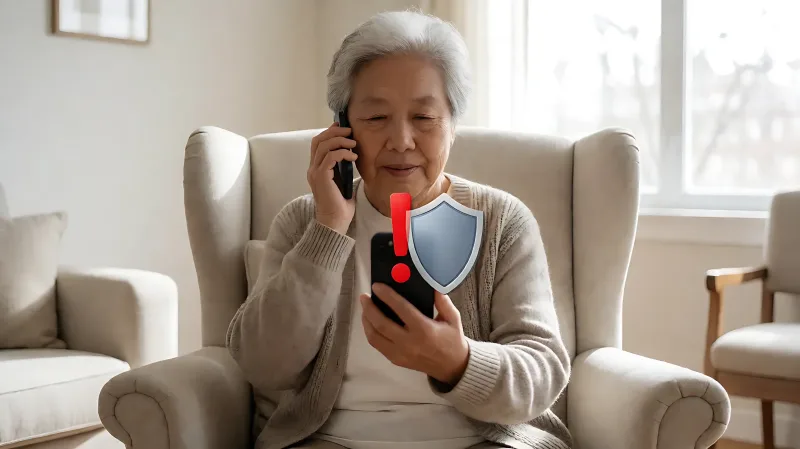
Fake urgent calls claiming you owe utility bills are a common scam. Learn how to verify suspicious calls and protect your family from financial harm.
Utility scammers frequently impersonate service providers to pressure victims into paying fake overdue bills via gift cards or wire transfers. According to the Federal Trade Commission, fraud complaints reached the latest available figures, with imposter schemes ranking among the most reported. If you receive a call threatening immediate disconnection, hang up and verify the account using contact details found on your official monthly bill. Legitimate utilities never demand instant payment through untraceable methods.
For more information, see FTC online shopping guidance from the Federal Trade Commission.
Why do utility scams target older adults?
Scammers target seniors because they often rely on a lifetime of savings that is difficult to replace after a fraud incident. The National Consumer Law Center notes that elder fraud is particularly devastating because victims rarely recover their losses. Scammers exploit the fear of losing essential services like electricity or heat, creating high-stress situations that pressure victims into bypassing their usual caution.
What is the financial impact on victims?
The FBI's Internet Crime Complaint Center reported that adults aged 60 and older filed more than 201,000 complaints in the 2025 report. These claims resulted in losses exceeding $7.7 billion, a 37 percent increase from the previous year. Utility-specific scams are a subset of this broader imposter trend, and they consistently drain household budgets by tricking consumers into paying fake invoices.
How do scammers impersonate utility companies?
Fraudsters use advanced call spoofing technology to make their phone numbers appear as if they come from local utility offices. They create a false sense of urgency by claiming your service will be cut off within hours. Scammers may demand payment through gift cards, cryptocurrency, or wire transfers because these methods are untraceable and do not require identity verification.
What are the most common scam scenarios?
- Disconnection threats: The caller claims your account has severe arrears and will be terminated immediately.
- Overpayment traps: The scammer states you have a refund available and asks for your bank details to process it.
- Equipment fees: The caller demands a separate upfront payment for a mandatory line upgrade or filter installation.
- Fake bill phishing: A printed or emailed bill appears legitimate but contains a payment portal that harvests your banking information.
How can you verify a suspicious utility call?
Never use the phone number or website address provided by the caller. Scammers frequently list fake support lines that lead directly to them. Instead, hang up and dial the customer service number printed on the back of your physical monthly bill or on your provider's official website. You can also log in directly to your online account through a trusted web browser to check your payment status.
What are the warning signs of a scam?
- Payment method pressure: The caller insists on gift cards, prepaid vouchers, or wire transfers.
- Threatening language: The scammer uses aggressive tones or claims they will arrest you.
- Requests for private data: They ask for your Social Security number or account password to 'secure' your account.
- Urgency without documentation: They cannot provide a specific bill reference number or a detailed account history.
What should you do if you receive a fake call?
Stop the conversation immediately. If you have already shared your information, contact your bank to monitor for unauthorized charges. Report the incident to the Federal Trade Commission via their online reporting center and to the FBI's Internet Crime Complaint Center (IC3). The American Seniors Association also advises that victims should not feel embarrassed, as anyone can fall for these elaborate schemes.
How can families help prevent these scams?
- Educate seniors about the 'no gift cards' rule for utility payments.
- Set up automated bank payments so seniors do not need to remember bill due dates or navigate phone menus.
- Use the Do Not Call Registry to reduce unsolicited telemarketing and impersonation attempts.
- Keep a list of trusted contact information for local utilities and banks in a secure place.
| Red Flag | Legitimate Utility Response | Scammer Tactic |
|---|---|---|
| Payment Method | Credit card, check, or bank transfer | Gift cards, crypto, or wire transfer |
| Urgency | Clear deadlines and written notices | 'Your service is off in 20 minutes' |
| Communication | Verbal and written account details | Refusal to provide a written reference number |
Frequently Asked Questions
Do utility companies ever call to collect payment?
They typically send letters first. A phone call is only for confirming service or scheduling a specific payment plan. They will never ask you to buy gift cards or send a wire transfer to a personal account.
What if I already gave my banking information?
Contact your bank immediately to place a fraud alert and freeze your account if necessary. You should also monitor your credit report for new accounts and report the breach to the Consumer Financial Protection Bureau.
How do I report a utility scam in the US?
File a report with your local police department and submit a complaint to the Federal Trade Commission. For phone-related fraud, the National Consumer Law Center provides resources and victim support networks.
Can scammers actually turn off my service?
No, only the actual provider has the legal authority to disconnect your utilities. A scammer calling from a spoofed number does not have access to your physical meter or service lines.