Gift Card Call Scams: How to Spot and Report Fraud
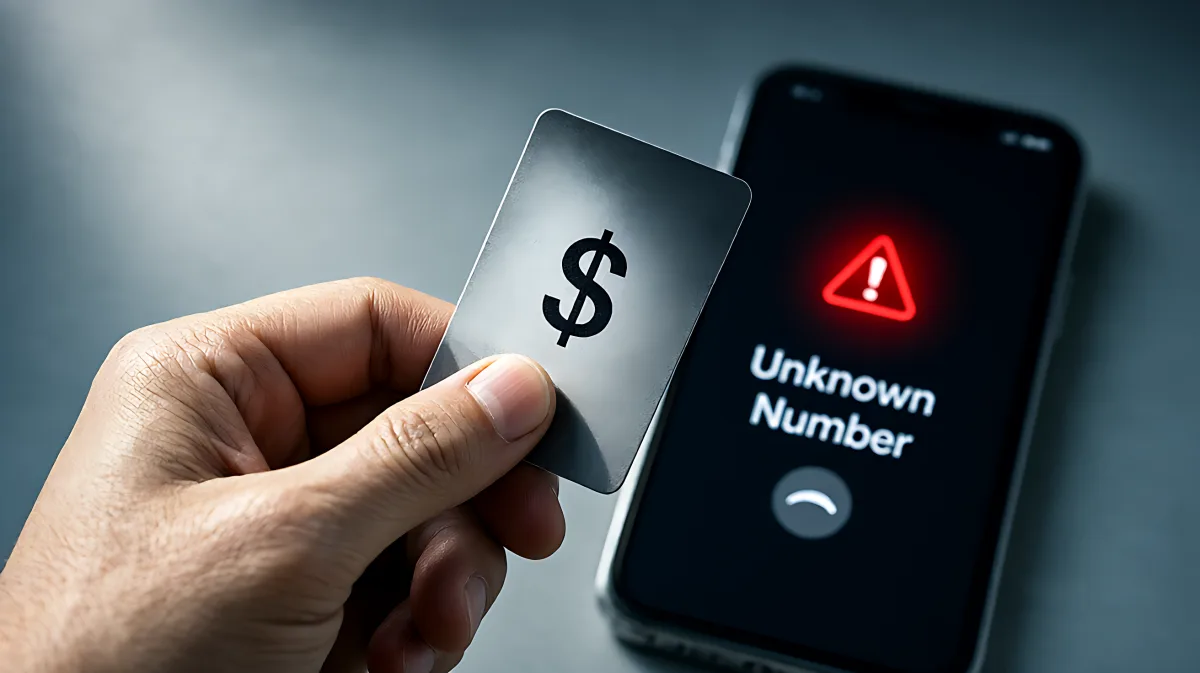
Scammers target individuals and retail employees with fake gift card calls. Discover the red flags, how to verify callers, and the exact steps to report fraud to the FTC and FBI in 2026.
When you receive a call demanding payment via a gift card, hang up immediately. No legitimate business, government agency, or corporate IT department requires gift card payments. In the first half of 2026, the Federal Trade Commission reported over 20,383 gift card fraud cases, resulting in $154 million in losses. This spike in incidents highlights the urgency for consumers and retail employees to recognize specific warning signs and follow strict reporting protocols to protect their finances and jobs.
Why do scammers use gift cards for fraud?
Gift cards function like cash but with one major difference: they are nearly impossible to trace or reverse. Once a scammer has the card number and PIN, they can drain the balance instantly. Unlike bank transfers, there is no central registry of owners, making recovery difficult if you do not act fast. Scammers exploit this by creating intense pressure. They use AI-enhanced voice cloning to sound like family members, or they impersonate corporate authorities to trick retail employees into violating store security protocols.
What are the most common red flags in a suspicious call?
Many families assume a professional-sounding caller must be legitimate, but in fact, scammers use sophisticated scripts to create urgency. The Federal Trade Commission identifies three key signs of a gift card scam: the caller insists on immediate payment, they specify the exact brand and amount of cards, and they demand the card number and PIN over the phone. If a caller threatens arrest, account closure, or job termination if you do not comply, it is a scam. Additionally, if an online marketplace seller asks for an overpayment difference in gift cards, or a romantic interest asks for emergency funds in this form, end the conversation immediately.
How do retail employees get targeted by fake corporate calls?
A specific and growing threat targets retail staff, particularly at large chain stores. Scammers call a store and impersonate the corporate IT or help desk. They reference real technical issues, such as down registers or known customer complaints, to appear credible. They then instruct the manager or cashier to load a specific amount onto a gift card to "test" the register functionality. Once the card is activated and the serial number is read aloud, the scammer drains it instantly. In a confirmed case, a manager at a major discount retailer lost $500 and faced disciplinary action because the scammer manipulated the store's security culture.
What should a store employee do if they receive this type of call?
Staff must never process gift card transactions based on phone instructions. The most effective defense is verification. If a caller claims to be from corporate, ask for the store's "code of the day." This is a daily changing security phrase known only to authorized personnel. If the caller cannot provide it, they are a scammer. Hang up and verify through official corporate channels, not by calling the number provided by the suspect.
What steps should you take if you have already sent a gift card?
Speed is critical for recovery. If you have already fallen for a scam, you must act within minutes to maximize the chance of freezing the funds. Follow this checklist immediately:
- Contact the issuer: Call the number on the back of the card or the official website. Inform them of fraud and request a freeze or reversal. Some issuers can stop the transaction if the funds have not yet been spent.
- Gather evidence: Keep the physical card, the purchase receipt, and all messages or call logs from the scammer.
- Report to the FTC: File a report at the Federal Trade Commission's fraud portal. This does not guarantee personal recovery but feeds a database used by law enforcement to track scam networks.
- File with the FBI: If the scam involved electronic communication (email, text, website), file a complaint with the Internet Crime Complaint Center. They have a dedicated field for prepaid and gift card transactions.
- Local Police: File a report with your local police department to create an official record, which may be required for insurance claims or bank disputes.
How can you prevent future gift card fraud?
Prevention relies on strict buying habits and digital hygiene. When purchasing cards, buy only from the retailer's official store or website. Avoid third-party resale sites and auction listings where cards may be counterfeit or already drained. Inspect physical cards for tampering; if the PIN coating is scratched or the barcode looks like a sticker rather than printed ink, choose a different card. For digital cards, verify the URL before entering any credentials. Finally, establish a family or office protocol for unusual requests. If a loved one or boss asks for urgent money, use a pre-agreed code word to verify their identity before sending anything.
Frequently Asked Questions
Can you get your money back after a gift card scam?
Sometimes, but it is not guaranteed. The chance of recovery is highest if you contact the issuer immediately after the purchase. If the funds have already been transferred to a bank account by the scammer, they are difficult to trace. Reporting to the FTC and FBI helps law enforcement build cases against the perpetrators, even if your specific funds are not recovered.
Is it safe to buy gift cards at a discount store?
It is generally safe, but you must inspect the card carefully. Scammers sometimes swap barcodes or steal the PIN from cards on the shelf. If you see any packaging irregularities, ask the cashier for a card from behind the counter or one that has not been handled by other customers.
Do scammers use AI to impersonate people?
Yes. In 2025 and 2026, the use of AI voice cloning has increased. Scammers can generate realistic audio messages from a few seconds of a target's voice found online. This makes it essential to rely on pre-arranged security questions or code words rather than trusting the voice alone, especially for financial requests.
What is the "code of the day" in retail?
The "code of the day" is a security measure used by many major retail chains. It is a unique phrase or number that changes daily and is known only to authorized corporate staff and trained employees. If an unsolicited caller claiming to be corporate cannot provide this code, the call is fraudulent. It is the fastest way to verify a suspicious request without exposing yourself to further risk.