Cognitive Decline Signs and Home Safety Audit Guide
Learn how to identify subtle signs of cognitive decline and perform a comprehensive home safety audit to protect seniors living alone, ensuring their independence and well-being.
You can protect an aging loved one by recognizing early signs of cognitive decline and conducting a systematic home safety audit. By identifying specific red flags, such as unexplained bruises, poor hygiene, or confusion with medications, you can intervene before a crisis occurs. This guide explains how to assess your parent's needs and modify their living space to maintain independence while ensuring safety.
What are the key red flags of cognitive decline?
Recognizing the difference between normal aging and serious cognitive impairment is crucial. Many families overlook subtle shifts because they happen gradually over time. Understanding specific behavioral and physical indicators allows you to act proactively rather than reactively.
How does physical movement change with cognitive decline?
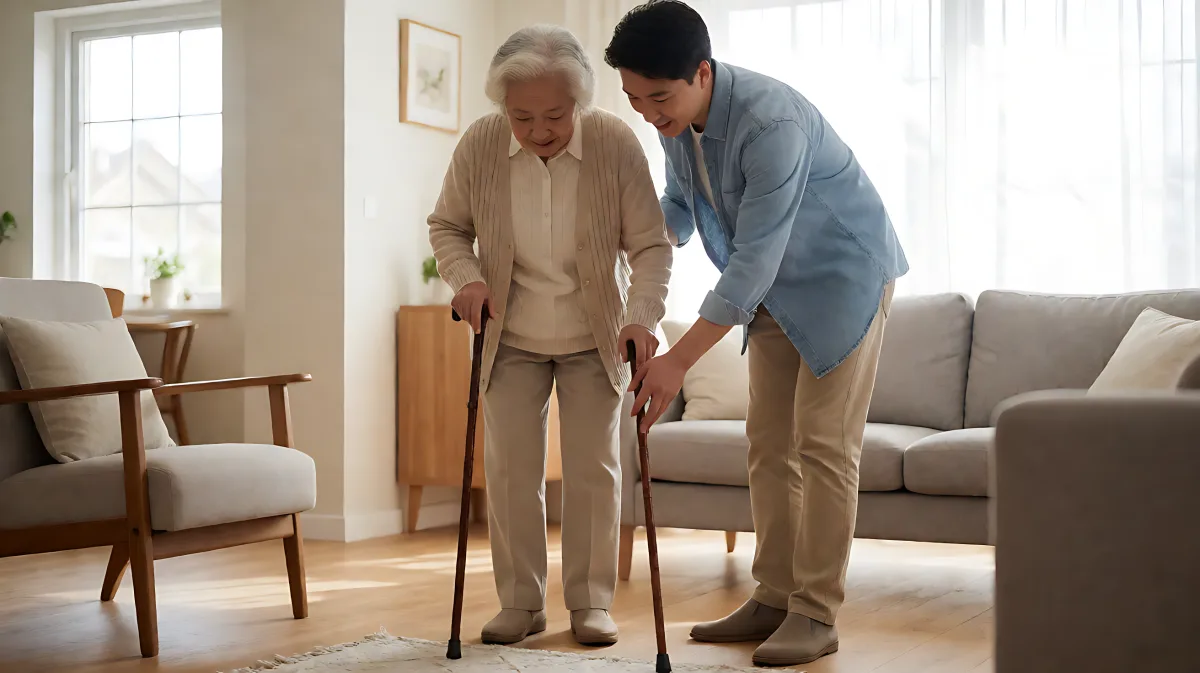
Physical mobility often deteriorates before mental symptoms become obvious. One common sign is a habit of moving slowly or 'furniture walking,' where a senior holds onto walls or tables for stability. You should also watch for a shuffling gait, a wider stance, or difficulty rising from a seated position without using arms for leverage. These changes increase the risk of falls and indicate that balance issues may be linked to underlying neurological changes.
What behavioral changes signal memory issues?
It is normal to forget where you placed your keys. It is a red flag when you forget what a key is used for. Watch for new struggles with executive function, which includes planning and sequencing tasks. If a loved one suddenly cannot follow a multi-step recipe, manage a checkbook, or complete familiar household chores, this may indicate early-stage cognitive impairment. You might also notice psychosocial shifts, such as sudden withdrawal from hobbies, increased irritability, or paranoia. Additionally, a phenomenon known as 'sundowning' can cause confusion and agitation during twilight hours, which requires professional evaluation.
How should you conduct a home safety audit?
Your home is a mirror of your loved one's internal health. When the mental load of homeownership becomes too great, the physical environment reflects that struggle. A structured audit focuses on both Activities of Daily Living and Instrumental Activities of Daily Living to identify gaps in safety and independence.
Which kitchen and hygiene areas need immediate attention?
The kitchen is a high-risk zone for both falls and foodborne illness. Look for scorched pans, expired food, or empty cupboards, which suggest difficulty preparing meals. Poor personal hygiene, such as unwashed hair, body odor, or wearing the same clothes for days, can indicate depression or physical limitations. Addressing these areas with simple meal plans or gentle reminders can prevent malnutrition and skin issues.
What financial and administrative hazards should you check?
Cognitive vulnerability often presents in money management. Watch for unopened mail, unpaid bills, or unusual spending habits that may indicate a parent is susceptible to scams. Piles of unsorted mail on a counter are a classic warning sign that routine tasks have become overwhelming. Implementing a system where a trusted family member handles finances can protect the senior's assets and reduce stress.
How can you make the home safer for mobility?
Environmental adjustments can significantly reduce fall risks and improve a senior's confidence in moving around their home. According to Age Safe America, simple upgrades in the bathroom are particularly effective because this is where many serious falls occur.
What bathroom modifications prevent falls?
Install grab bars near the toilet and inside the shower, ensuring they are anchored securely into wall studs. Add non-slip mats or textured flooring to prevent slipping on wet surfaces. Consider using a shower chair or bench to reduce fatigue. You can also replace round faucet handles with lever-style hardware, which is easier to operate for those with arthritis. Improving lighting and setting water temperature limits further reduce hazards.
How should you clear pathways and reduce clutter?
Negotiate with your loved one to remove items that create tripping hazards, such as loose rugs, electrical cords, or piles of newspapers. Ensure walkways are wide enough for mobility devices if needed. Good lighting in all rooms, especially between the bedroom and bathroom, helps prevent accidents during nighttime movements.
How do you handle a parent who refuses help?
Resistance is common because seniors fear losing their independence. You should approach the conversation with empathy and specific observations rather than general accusations. Focus on a single issue at a time. For example, instead of saying 'You are unsafe,' you might say, 'I noticed the rug in the hallway is curled up. Could we secure it so you do not trip?' Involve a trusted third party, such as a doctor or a fall prevention specialist, to provide objective guidance. This collaborative approach respects their autonomy while prioritizing their safety.
What role do medical checks play in this process?
Not all decline is permanent. A sudden, drastic change in behavior or mobility can be a medical emergency caused by reversible factors. Common causes include urinary tract infections, which can present as sudden confusion; dehydration; and medication interactions. Before making major life decisions, engage a geriatrician for a professional baseline assessment. This often includes a Mini-Mental State Exam and physical therapy evaluations to determine the appropriate level of care needed.
When should you consider professional home care?
If your loved one can no longer meet their basic needs, manage their health, or respond to emergencies, additional support is necessary. This might mean hiring professional home care services that offer personalized plans tailored to the senior's specific situation. Agencies often provide services ranging from hourly companion care to overnight support, ensuring that the senior receives compassionate, reliable assistance.
Frequently Asked Questions
How do you know if a parent's forgetfulness is just normal aging?
Normal aging involves occasional forgetfulness that resolves with reminders, such as forgetting a name but remembering it later. Cognitive decline involves forgetting how to perform familiar tasks, getting lost in familiar places, or losing track of money. If the memory loss disrupts daily life and social interaction, it is a sign of cognitive impairment.
What is the first step in a home safety audit?
The first step is to walk through the home with your parent and identify hazards that cause them distress or danger. Start with the bathroom and bedroom, as these are the most frequent areas used during the day and night. Look for loose rugs, poor lighting, and lack of support fixtures like grab bars.
Can you make the home safer without the senior's permission?
No, you cannot make significant changes without their consent. You must involve the senior in the decision-making process to maintain their dignity and independence. Frame changes as ways to help them stay in their home longer, rather than taking away their control. Compromise by starting with small, non-invasive modifications and building trust over time.
What is the 'sundowning' phenomenon?
Sundowning is a condition common in individuals with dementia where symptoms of confusion, anxiety, and agitation become more severe in the late afternoon and evening. It is not just 'getting tired' but a specific neurological response that requires medical evaluation to manage safely.