How to Design a Sensory Garden for Dementia
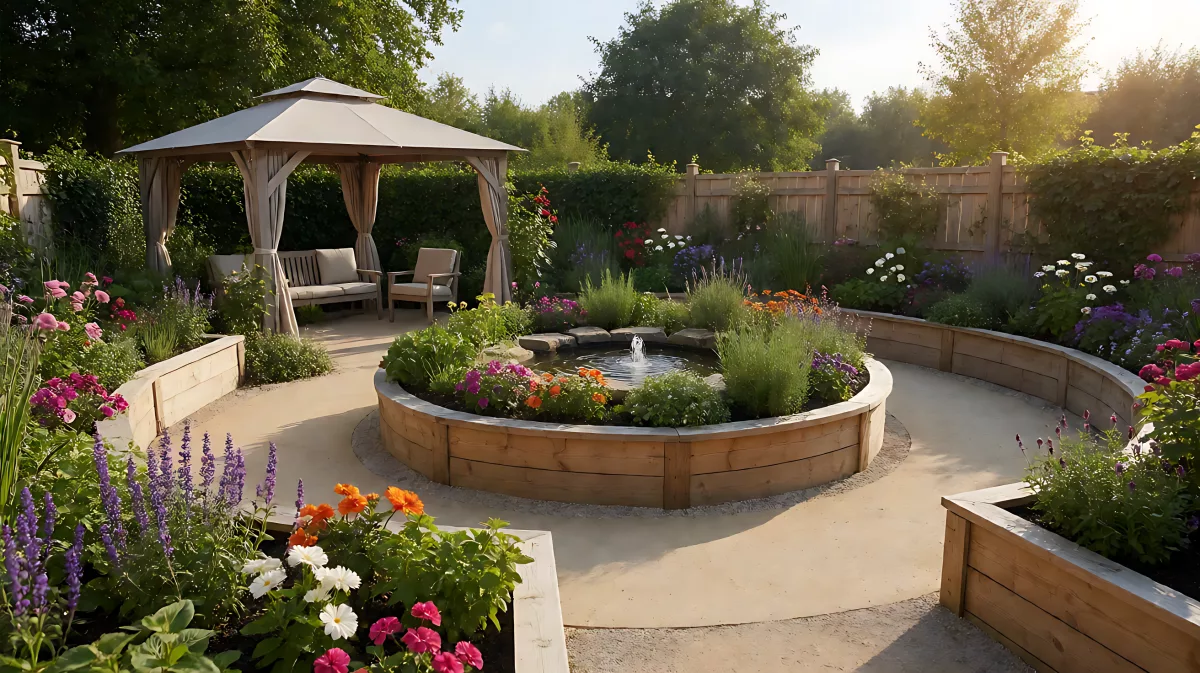
A well-designed sensory garden can be a transformative space for individuals with dementia. This guide explores how to integrate therapeutic landscaping, sensory stimulation, and reminiscence triggers to create a safe, engaging, and restorative environment.
A sensory garden for dementia is a carefully planned outdoor space that uses natural elements like plants, textures, and sounds to stimulate the senses, reduce anxiety, and trigger positive memories, thereby improving the quality of life for individuals with cognitive decline.
Why is a sensory garden important for dementia care?
Research in behavioral neuroscience highlights that the brain responds to sensory inputs that can influence mood and behavior. For individuals with dementia, a structured, safe outdoor environment provides a critical outlet for restlessness and agitation. Unlike indoor clinical settings, a garden offers a sense of openness and natural rhythm. The SENSE-GARDEN Association, a European research network, has demonstrated that immersive sensory environments can significantly reduce anxiety and improve communication abilities. By engaging multiple senses simultaneously, a well-designed garden helps maintain cognitive function and provides a peaceful retreat for both patients and staff.
How does sensory stimulation affect cognitive health?
Sensory stimulation is a key component of therapeutic landscaping. When a person interacts with their environment, they process visual, auditory, and tactile information. For those with dementia, these interactions can evoke long-term memories. For instance, the smell of lavender or the sound of birdsong can act as triggers for reminiscence, encouraging conversation and social engagement. This is not just about relaxation; it is a form of active engagement that supports mental well-being.
What are the essential design elements for a dementia-friendly garden?
Creating an effective sensory garden requires a focus on safety, accessibility, and orientation. The layout should be intuitive to prevent confusion. A continuous loop path is often recommended, as it allows users to walk freely without the pressure of making decisions at dead ends. Each junction on the path should be marked with a distinct landmark, such as a unique plant or sculpture, to help with wayfinding.
How should you choose the right plants and materials?
Plant selection is crucial. You should choose hardy, non-toxic species that offer a variety of textures, colors, and scents. Lavender, jasmine, and mint are excellent choices for olfactory stimulation. Texturally, consider plants with soft foliage or rough bark to provide tactile interest. For surfaces, use level, non-slip paving to ensure safety for those with mobility issues. Raised planters are highly beneficial, allowing individuals to tend to the garden without bending, making gardening a therapeutic activity rather than a physical strain.
How can you incorporate reminiscence into the garden design?
A "Memory Garden" is a powerful concept in dementia care. It involves designing the space around the shared experiences of the residents. This might include a replica of a local village square, a nostalgic telephone box, or specific plants associated with their youth. The SENTE-Q framework for sensory gardens emphasizes that personalization is key. By gathering stories from residents and families, you can create specific zones that trigger positive memories. For example, a small beach area with sand and shells can evoke memories of seaside holidays. These elements turn the garden into a social hub where staff and family can connect with residents through shared storytelling.
What role does social interaction play in the garden?
The garden should be designed to encourage interaction. Seating areas should be arranged to facilitate conversation, with privacy screens where needed. These spaces serve as a respite for staff and carers as well, reducing the stress associated with high-intensity care. Outdoor activities, such as simple gardening tasks or gentle games, can be organized here, fostering a sense of community and purpose.
What are the safety and accessibility requirements?
Safety is the top priority. The garden must be secure, with fencing that is high enough to prevent wandering but not so restrictive that it feels like a prison. The area should be fully enclosed but with sightlines that allow staff to monitor activity from the care building. Accessibility is another major concern. Paths must be wide enough for wheelchairs and walkers, and there should be frequent resting points with supportive benches. Shaded areas are essential to protect from excessive sun, while windbreaks help in cooler months. The goal is to create a space that is independently navigable by those with early-stage dementia while remaining safe for those in later stages.
How can technology enhance a sensory garden?
Modern sensory gardens are increasingly incorporating technology. The SENSE-GARDEN Association, which operates centers in Europe, uses immersive digital tools and virtual reality to supplement physical spaces. While a physical garden is the primary focus, adding gentle audio installations or interactive light features can provide additional stimulation. These technologies can be tailored to individual preferences, creating a highly personalized sensory experience that supports mental health and well-being.
FAQ
What plants are best for a dementia sensory garden?
Choose hardy, fragrant plants like lavender, rosemary, and jasmine. These plants offer strong sensory cues and are generally safe. Avoid thorny or toxic plants. Native plants that provide year-round interest are ideal for maintaining engagement in different seasons.
Is a large garden necessary for sensory stimulation?
No. Even a small, enclosed courtyard can be highly effective. The key is the quality of the sensory elements and the safety of the layout. A compact space with rich planting, textures, and seating can provide significant therapeutic benefits without requiring a large footprint.
How do you ensure the garden is secure for residents who wander?
Use continuous fencing that is at least six feet high, buried or secured to prevent climbing. Design the path as a loop to discourage turning back. Incorporate landmarks that signal the end of the path, encouraging residents to continue their journey in a safe direction.
Can a sensory garden help with agitation in dementia patients?
Yes. Studies indicate that time spent in a peaceful, sensory-rich outdoor environment can lower cortisol levels and reduce agitation. The natural sounds and gentle movement of plants provide a calming effect, offering a non-pharmacological alternative for managing distress.
What are the maintenance requirements for a dementia garden?
Choose low-maintenance, drought-tolerant plants to keep upkeep manageable. The maintenance routine itself can be a therapeutic activity for residents and staff. Design the garden with easy-to-replace plants and robust hardscaping to minimize long-term labor requirements.