Sensory Enrichment & Non-Pharmacological Wellness Guide
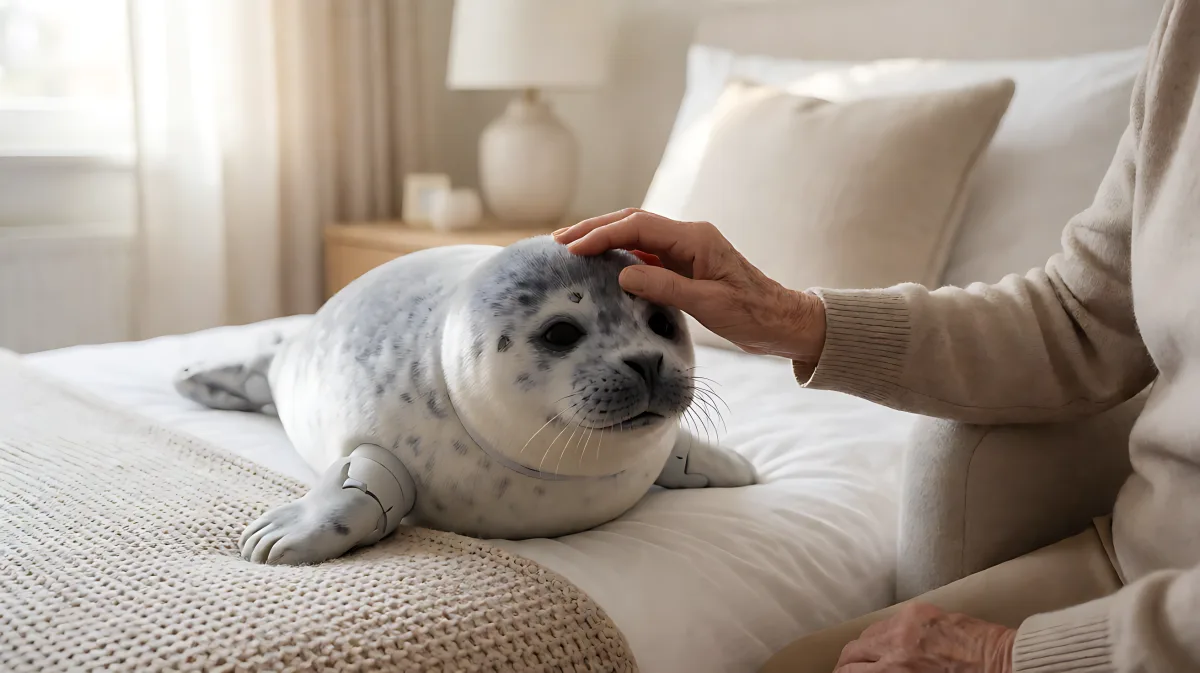
Explore how sensory enrichment and non-pharmacological interventions like the PARO robot support neuroplasticity and emotional well-being.
Sensory enrichment is a non-pharmacological approach that uses targeted stimulation of the senses to enhance physical and psychological well-being, particularly in individuals experiencing cognitive decline or stress. For US and UK audiences, this means utilizing tools that engage the mind and body without relying on medication.
How sensory enrichment supports the brain
The brain is not a static organ; it constantly reshapes itself through a process known as neuroplasticity. This adaptability allows neural networks to grow, reorganize, and recover from damage. While traditional therapy can be invasive, sensory enrichment offers a gentle, accessible way to trigger these changes.
Research confirms that sensory input, from touch and sound to scent, plays a critical role in maintaining healthy neural connections. In clinical settings, this principle is used to create environments that reduce agitation and promote calm. Instead of administering sedatives, clinicians and caregivers use multi-sensory stimulation to ground patients, making non-pharmacological care a cornerstone of modern neurology and geriatrics.
What is a therapeutic robot like PARO?
One of the most advanced tools in sensory enrichment is PARO, a lifelike robotic baby harp seal. Created by Japanese engineer Dr. Takanori Shibata in 2004, PARO is a medical device designed specifically to offer psychological enrichment and joy, particularly for senior citizens living with dementia.
PARO is not just a toy; it is a sophisticated sensory interface. It utilizes multiple sensors, including tactile, posture, light, and audio sensors, to interact with users. The robot can recognize speech and respond with a variety of gestures and vocalizations, mimicking the sounds of a real baby seal. This interactive capability helps patients who are socially isolated or experiencing emotional and behavioural distress. Because it is designed to be comfortable and engaging, PARO supports caregivers by creating shared experiences that naturally encourage group interactions and improve speech fluency in patients.
How does sensory enrichment benefit animals?
The concept of sensory enrichment is not exclusive to humans; it is a vital component of animal welfare and husbandry. In zoos and research facilities, keeping animals in sterile, predictable environments can lead to stress and behavioral issues. Sensory enrichment introduces novel scents, textures, and sounds to stimulate natural instincts.
For example, a study by Jessica Daltorio, a researcher in Animal Science and Technology, investigated how sensory enrichment influences the behavior of two-toed sloths in captivity. The study demonstrated that providing varied sensory inputs encourages natural exploration and reduces the monotonous behaviors often seen in captive animals. In the pet industry, this principle drives the market for sensory toys that satisfy a dog's instinct to sniff or a cat's drive to explore.
For pet owners in the US and UK, this translates to using toys and scents that engage every sense. From crinkle-filled plush toys that provide auditory and tactile feedback to scent-based enrichment that stimulates the olfactory system, these tools help combat boredom and anxiety. For instance, specialty retailers now offer a wide range of sensory products, including antibacterial plush items and scent-based kickers, designed specifically to provide mental stimulation for pets without the use of chemical calming agents.
How can you build a sensory-enriched home?
You do not need a $6,000 robotic seal to implement non-pharmacological wellness. Simple changes to your home environment can foster a sense of calm and cognitive engagement.
- Vary Textures: Introduce different fabrics, natural materials, and temperature contrasts to the physical space to engage the sense of touch.
- Soundscapes: Use calm, non-lyrical music or white noise to mask harsh environmental sounds and reduce auditory stress.
- Scent Management: Use essential oils or natural scents like lavender or citrus to positively influence mood and memory, a technique often used in dementia care.
For those looking for a more structured approach, consider incorporating therapeutic robotics into your routine if you are a caregiver for a loved one with a neurological disorder. PARO, available in the UK and Republic of Ireland exclusively from Sense Medical, is an excellent example of how technology and sensory input can combine to improve quality of life. Its fur is antibacterial and can be easily cleaned with sanitizing wipes, making it suitable for hygienic care settings.
What are the long-term benefits of sensory engagement?
Engaging the senses is more than just a temporary mood lift; it is an investment in long-term neurological health. Continuous stimulation helps combat cognitive decline and supports the brain's ability to rewire itself, a process known as cross-modal reassignment. Whether you are a pet owner looking for a way to enrich your companion's daily life or a caregiver seeking non-pharmacological options for a family member, sensory enrichment provides a compassionate, effective, and drug-free path to better well-being.
Frequently asked questions
What is sensory enrichment?
Sensory enrichment is the practice of stimulating one or more senses (sight, sound, touch, smell, taste) to improve the mental and physical health of an individual or animal. It is often used as a non-pharmacological intervention in care settings.
How does the PARO robot help with dementia?
PARO, a lifelike robotic seal, helps patients with dementia by providing a comforting, interactive companion. It reduces anxiety and agitation, encourages social interaction, and supports speech fluency without the side effects associated with sedative medications.
Can sensory enrichment be used for pets?
Yes. For pets, sensory enrichment involves using toys and scents that encourage natural behaviors like chewing, sniffing, and playing. This helps prevent boredom and reduces stress in domestic animals.
Is sensory enrichment a replacement for medication?
Sensory enrichment is a complementary, non-pharmacological approach. While it can significantly reduce symptoms of anxiety and agitation, it is not a direct replacement for essential medication. It should be used alongside professional medical advice.
How much does a therapeutic robot like PARO cost?
Purchase prices for advanced therapeutic devices vary by region. In the UK, PARO is available for approximately £6,000 (excl. VAT), which reflects its role as a specialized medical device used in care facilities and hospices.