How to Read and Log Home Blood Pressure Results
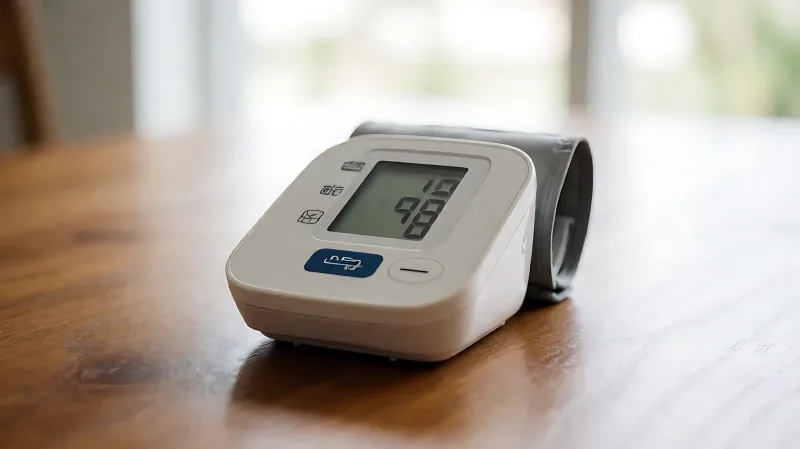
Navigating the numbers on your home blood pressure monitor is the first step in managing your heart health. This guide explains how to interpret systolic and diastolic readings and offers a practical method for logging results to share with your doctor.
To read a home blood pressure monitor correctly, identify the top number (systolic) and bottom number (diastolic) in millimeters of mercury. A normal reading is typically below 120/80 mm Hg. To log results for your doctor, take two to three readings one minute apart, record the date, time, and average value, and bring this log to your next appointment to help track trends.
What do the numbers on the screen mean?
When you finish a cycle on an automatic monitor, the device displays three primary data points: systolic pressure, diastolic pressure, and heart rate. Understanding these values is essential for interpreting your cardiovascular status. The systolic number, which appears at the top, measures the pressure in your arteries when your heart contracts and pushes blood out. The diastolic number, located below the systolic figure, indicates the pressure in your arteries when the heart is at rest between beats. These two figures are often separated by a forward slash, such as 120/80. The third number, usually smaller and positioned at the bottom or side of the display, is your pulse or heart rate, measured in beats per minute (bpm).
Which categories do these readings fall into?
The American Heart Association (AHA) defines specific ranges for blood pressure levels. According to the AHA, a normal blood pressure is less than 120 systolic and less than 80 diastolic. Readings between 120 to 129 systolic and less than 80 diastolic are classified as elevated. Stage 1 hypertension is defined as a systolic range of 130 to 139 or a diastolic range of 80 to 89. Stage 2 hypertension occurs when the systolic pressure is 140 or higher, or the diastolic pressure is 90 or higher. A hypertensive crisis, which requires immediate medical attention, is indicated by a systolic pressure of 180 or higher or a diastolic pressure of 120 or higher.
How should you prepare for an accurate reading?
Accuracy depends heavily on your physical state and posture before the measurement begins. The Centers for Disease Control and Prevention (CDC) advises avoiding caffeine, alcohol, and tobacco for at least 30 minutes before testing. You should also rest quietly in a chair with back support for five minutes prior to taking the reading. Keep your feet flat on the floor and ensure your legs are not crossed. If you are wearing long sleeves, roll them up or remove them, as the cuff must sit directly on bare skin. Place your arm on a table so that the cuff is at heart level. Talking or moving during the measurement can skew the results, so remain still and silent until the device finishes its cycle.
Does it matter which arm you use?
Generally, you should use the same arm every time to track changes effectively. However, your healthcare provider may ask you to test both arms once to check for differences. If one arm consistently gives a higher reading, use that arm for all future measurements. For individuals with a history of heart disease or vascular issues, follow your doctor's specific instructions on which arm to monitor.
What is the best way to log results for your doctor?
Single readings can fluctuate due to stress, activity, or position, so a trend is more valuable than a one-off number. The CDC recommends taking at least two readings, separated by one to two minutes, and recording the average of these two values. Many home monitors store data, but a written or digital log is still the standard for sharing with providers. Create a simple table that includes the date, time of day, the systolic/diastolic value, and the heart rate. Note any factors that might have influenced the reading, such as whether you took your medication that morning or if you were feeling anxious. When you visit your doctor, bring this log. It allows them to see if your medication is working or if your home environment triggers higher readings.
How often should I take readings?
For most people managing hypertension, taking readings once or twice daily is sufficient. Try to measure at consistent times, such as upon waking and before bed. If you are adjusting medication or starting a new treatment plan, your doctor may request more frequent logging, such as three times a day for a short period. Consistency is key to helping your provider make informed adjustments to your care plan.
When should you contact your healthcare provider immediately?
While mild elevations often warrant a discussion at your next scheduled visit, certain readings indicate an emergency. If you consistently read 180/120 mm Hg or higher, stop and wait five minutes, then retest. If the second reading remains at this level, contact your healthcare provider immediately. If you experience symptoms such as chest pain, shortness of breath, back pain, numbness, weakness, vision changes, or difficulty speaking alongside a high reading, call 911 or your local emergency number. This combination of severe hypertension and symptoms suggests a hypertensive emergency that requires urgent hospital care.
What if one number is high but the other is normal?
It is common for the systolic and diastolic numbers to fall into different categories. For example, a reading of 128/70 mm Hg has an elevated systolic but normal diastolic. In these cases, the higher of the two categories determines the urgency. A systolic of 128 is elevated, while a diastolic of 70 is normal, so the overall status is elevated. However, if you see a reading like 144/88, the systolic is Stage 2 high, and the diastolic is Stage 1 high. Since the systolic is more severe, treat the reading as Stage 2. Always discuss persistent discrepancies with your doctor, as they may indicate different underlying issues such as arterial stiffness or heart valve problems.
Frequently Asked Questions
Why do my home readings differ from the clinic readings?
Differences can occur due to white coat syndrome, where anxiety at the doctor's office raises your pressure, or improper technique at home. Ensure your cuff is sized correctly, your arm is at heart level, and you have rested sufficiently. If home readings are consistently lower, inform your doctor, as they may rely more on your home log for medication adjustments.
Can I check my blood pressure immediately after eating?
It is best to wait at least an hour after a large meal to get an accurate baseline. Additionally, the CDC recommends emptying your bladder before taking a reading, as a full bladder can temporarily raise blood pressure. Avoid exercising, smoking, or consuming caffeine for at least 30 minutes before the test.
Do I need a specific type of monitor?
The AHA recommends using an upper-arm cuff monitor rather than a wrist device, as upper-arm readings are generally more accurate. Ensure the device has been validated for clinical accuracy. You can check the validatebp.org website or ask your pharmacist for a list of recommended devices. If you have a larger arm circumference, make sure you have a cuff that fits properly to avoid artificially high readings.