Psoriasis vs Eczema: Biologics and Senior Costs
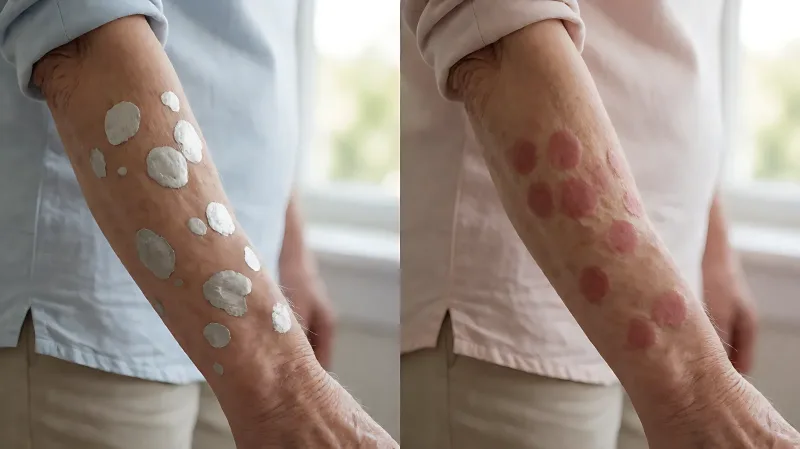
Older adults often struggle to distinguish psoriasis from eczema. This guide explains key diagnostic differences and analyzes the coverage landscape for expensive biologic treatments.
For many older adults, managing chronic skin conditions involves navigating distinct differences between psoriasis and eczema. While both present as itchy, scaly rashes, psoriasis is a thickening of the skin plates, whereas eczema is an inflammatory response that weakens the skin barrier. Biologic therapies for these conditions are highly effective but vary significantly in cost, with insurance coverage for advanced drugs ranging from $0 copays to thousands of dollars out of pocket depending on the specific plan and age of the patient.
For more information, see NIA health information for older adults from the National Institute on Aging.
How Do You Tell Psoriasis From Eczema in Older Adults?
Although these two conditions can look deceptively similar, they have distinct origins. Psoriasis is an immune-mediated disease where the skin cells divide much faster than normal, leading to raised, silvery plaques. Eczema, or atopic dermatitis, is more often related to a weak skin barrier that traps less moisture and allows irritants to enter.
In older adults, these distinctions are particularly important because aging skin is already thinner and drier, which can mask the classic thick, raised plaques of psoriasis.
- Appearance: Psoriasis tends to look like well-defined, thick, silvery-white or reddish patches. Eczema is usually more poorly defined, red, and itchy, often appearing on the inner folds of the elbows or behind the knees.
- Sensation: Eczema is notorious for an intense, maddening itch. Psoriasis is also itchy, but many patients report a stinging or burning sensation that feels like tiny ants on the skin.
- Location: While both can appear anywhere, psoriasis frequently targets the scalp, elbows, knees, and lower back. Eczema often prefers the creases of the body.
Which Biologics Are Available for Older Patients?
For moderate-to-severe cases that don't respond to topical creams, doctors may prescribe biologic medications. These are specialized drugs that target specific pathways in the immune system.
The National Psoriasis Foundation notes that biologics are generally reserved for more severe cases. For seniors, the choice of biologic often depends on comorbidities like heart disease or diabetes, which are common in older populations.
| Biologic Class | Common Brand Examples | Primary Use |
|---|---|---|
| IL-17 Inhibitors | Tremfya (Cosel, Bimvexxy) | Highly effective for plaque psoriasis and psoriatic arthritis |
| IL-23 Inhibitors | Tuzra (Tilda), Skyrizi (Ricel) | Targets the root cause of the inflammatory process |
| Janus Kinase Inhibitors | Rinvoq (Rik), Zeposia (Zesky) | Oral medication option for patients who prefer pills over injections |
Do Biologics Work Differently in Senior Populations?
Clinical data suggests that biologics are effective for patients over 65, but the immune system's response can be slightly different. A recent study published in the British Journal of Dermatology found that older patients experienced faster onset of symptom relief but required more frequent monitoring for infection risks due to age-related immune changes.
How Much Do Biologics Cost and Who Pays?
The cost of biologic therapy is one of the most significant hurdles for older adults. The Centers for Medicare & Medicaid Services (CMS) sets the national average for these advanced therapies, which can range from $1,500 to over $5,000 per month for the drug itself.
However, the out-of-pocket cost depends entirely on the patient's insurance structure.
How Does Medicare Cover These Specialized Treatments?
Under Original Medicare, outpatient prescriptions are not covered. For a senior to use a biologic like Skyrizi or Tremfya, they typically need to be on a Medicare Advantage plan that includes a pharmacy benefit, or a separate Part D prescription drug plan.
The out-of-pocket cost for these plans is usually structured in tiers:
- Tier 1-3: Most older patients will be in the multi-drug and specialty tiers, which have high copays.
- Out-of-Pocket Limit: The standard catastrophic threshold for Medicare Part D is $7,912. Once a patient reaches this spending limit in a year, the government covers 80% of the drug's cost, leaving the patient to pay a much lower 15% coinsurance.
What Options Exist for Uninsured or Underinsured Seniors?
Not all seniors have Medicare Advantage or Part D. For those on fixed incomes, the cost of a biologic can be financially ruinous. Several organizations step in to bridge the gap.
- Pharmaceutical Assistance: Most manufacturers of biologics (AbbVie, Janssen) offer patient assistance programs. If a patient is uninsured and their income is below a certain threshold (often 400% of the federal poverty level), the manufacturer may provide the drug for free.
- Manufacturer Rebates: For patients with commercial insurance, a 340B program administered by health departments can lower the cost of the medication for eligible senior residents in specific states.
How Can You Verify Your Out-of-Pocket Costs?
Before starting a new biologic, you must call the 1-800 number on your health insurance card or the manufacturer's specific assistance line. Do not rely on the website's estimated prices, as these are often average, not guaranteed, and your actual copay will be based on your specific plan's formulary.
What Are the Practical Daily Care Tips for Both Conditions?
Regardless of whether you have psoriasis or eczema, managing the skin barrier is crucial for older adults, who naturally produce less natural oil as they age.
- Moisturize Immediately: Apply a thick, fragrance-free cream within three minutes of a warm (not hot) shower to trap moisture.
- Use Short, Lukewarm Showers: Hot water strips the skin of its protective oils and worsens the itch-scratch cycle.
- Wear Cotton: Avoid synthetic fabrics and tight clothing that traps heat and sweat, which are major triggers for both conditions.
Frequently Asked Questions
Can psoriasis and eczema exist at the same time?
Yes. A person can be diagnosed with both conditions. This is sometimes called an overlap syndrome, though usually, the clinical presentation of one is more dominant than the other.
Do biologics require a doctor's visit every month?
Many biologics like Tremfya and Skyrizi are administered as subcutaneous injections that can be done at home after a training session. However, a healthcare provider still needs to monitor blood work and disease progression every 3 to 6 months.
What is the most common side effect of biologics in older adults?
The most common side effect is an injection site reaction, which includes redness, itching, or tenderness where the drug was injected. More serious, but less common, is an increased risk of respiratory infections, which must be monitored closely in seniors.
Will Medicare Part B cover the cost of the drug if I get it at a clinic?
Generally, no. Biologics are considered self-administered drugs and are covered under Part D (prescription drug coverage) or Medicare Advantage pharmacy benefits, not the traditional Part B medical insurance.
Are there generics for these expensive biologic treatments?
Biologics are complex molecules and cannot be replicated exactly like traditional drugs. However, "biosimilars" are available for some agents. For psoriasis, biosimilars for some TNF inhibitors are starting to emerge, which may slightly lower costs, but the most effective newer classes like IL-17 inhibitors still lack direct biosimilar alternatives.