How To Prevent Social Isolation In Older Adults
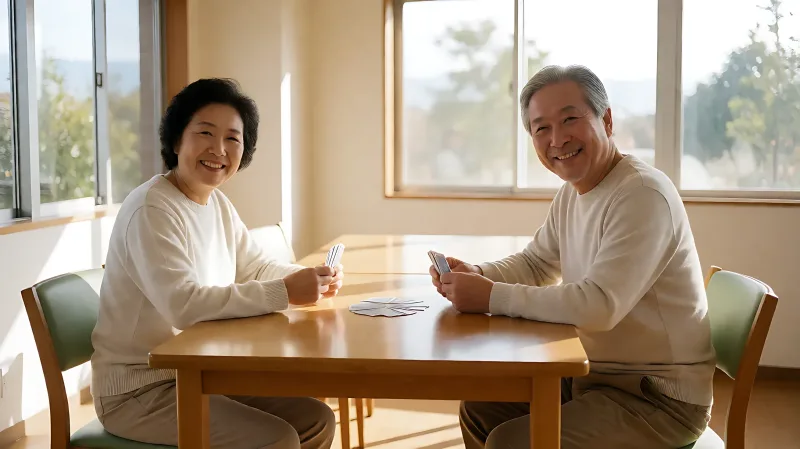
Social isolation harms physical and mental health. Learn evidence-based strategies from the WHO and CDC to help older adults build meaningful connections.
Social isolation and loneliness significantly impact the physical and mental health of older adults. The World Health Organization (WHO) reports that approximately 11.8% of older people experience loneliness, while one in four are socially isolated. These conditions contribute to poor health outcomes and reduced longevity. Practical strategies to prevent these issues include joining community support groups, utilizing digital tools for connection, and improving access to local transportation. Implementing these steps fosters the high-quality social connections essential for well-being in later life.
For more information, see NIA healthy aging resources from the National Institute on Aging.
Why is social connection vital for senior health?
Social health is often described as the missing pillar of overall well-being alongside physical and mental health. The WHO Commission on Social Connection released a flagship report in June 2025, highlighting that social isolation and loneliness are widespread public health concerns. Research indicates that loneliness acts as a social determinant of health, with serious consequences for quality of life and longevity. The Center for Disease Control and Prevention (CDC) also emphasizes that protecting overall health involves addressing broader risk factors, which can include the stress and inactivity associated with social withdrawal. Strong interpersonal bonds help regulate stress responses and encourage active lifestyles, which are critical for maintaining cognitive function and emotional stability in older adults.
What are effective community-based interventions?
Face-to-face interactions remain the most powerful tool against isolation. The WHO identifies several evidence-based interventions that communities can scale up. These include structured social skills training and peer-to-peer support groups. Befriending programs, where volunteers regularly visit older adults, have shown promise in reducing feelings of abandonment. Community organizations can also facilitate group activities such as exercise classes, art groups, or book clubs. These settings provide regular, low-pressure social contact. For example, local senior centers often host weekly gatherings that allow residents to maintain friendships and meet new people. Encouraging participation in these groups helps normalize social engagement and reduces the stigma associated with seeking help for loneliness.
- Support Groups: Regular meetings with others facing similar life changes, such as retirement or loss of a spouse.
- Befriending Schemes: One-on-one volunteer visits designed to provide consistent companionship.
- Community Events: Public festivals, markets, and sports leagues that mix older and younger generations.
How can technology bridge the gap for isolated seniors?
Digital interventions have become essential, particularly following the heightened isolation seen during the pandemic. While the CDC focuses on infectious disease risks, it also notes the importance of maintaining routines that support mental health, which now includes digital socializing. Older adults who lack access to information and communication technologies are at higher risk of isolation. The WHO suggests that creating age-friendly digital environments is crucial. This includes simplified interfaces for video calls and user-friendly platforms for online support groups. Families and caregivers can assist by setting up devices and teaching basic skills for video conferencing. Regular virtual check-ins with distant relatives can maintain emotional bonds even when physical travel is not possible. It is important to balance digital contact with face-to-face interaction to ensure comprehensive social well-being.
What role does transportation play in reducing isolation?
Many older adults become isolated because they can no longer drive. Limited mobility prevents access to grocery stores, medical appointments, and social venues. The WHO advocates for age-friendly communities that improve access to transportation. Municipalities can support this by offering senior-friendly transit passes, scheduled shuttle services, or volunteer driver programs. Reducing the physical barriers to getting out of the house is a direct strategy for preventing isolation. When seniors can easily reach local cafes, libraries, or parks, they are more likely to engage with their neighbors and the wider community. Policymakers are increasingly recognizing that transit infrastructure is a social health tool, not just a logistical one.
How can individuals start building their social network today?
Preventing isolation is not just a policy issue; it is an individual responsibility. Seniors can take proactive steps to expand their social circles. Volunteering is a highly effective method, as it provides structure, purpose, and regular contact with others. The American Institute for Cancer Research and other health organizations note that volunteering is associated with lower stress levels and increased life satisfaction. Seniors can offer their time at local food banks, animal shelters, or museums. Additionally, joining clubs or classes based on existing hobbies, such as gardening, photography, or history, connects individuals with like-minded peers. Starting small is key. A simple step is to say hello to a neighbor or join a local online group that matches their interests. Consistency matters more than intensity; regular, low-stakes interactions build the foundation of a robust support network.
FAQ
Is loneliness a medical condition?
No, loneliness is a social determinant of health, not a diagnosed medical disease. However, the World Health Organization recognizes it as a pressing public health concern that increases the risk of heart disease, stroke, and cognitive decline. It should be treated with the same seriousness as other health risks.
What is the difference between social isolation and loneliness?
Social isolation is a physical state of having very few social relationships or seeing people infrequently. Loneliness is the subjective feeling of distress when one's actual social connections do not match their desired level of connection. A person can be isolated without feeling lonely, or lonely despite having many acquaintances.
How often should older adults see friends or family?
There is no single prescribed frequency, but the WHO recommends that older adults have meaningful social contact regularly. Consistency is more important than volume. For some, this means weekly visits; for others, daily digital check-ins. The goal is to have a stable support network that prevents feelings of disconnection.
Can digital interactions replace face-to-face contact?
Digital interactions are a valuable supplement but should not entirely replace face-to-face contact. The WHO notes that face-to-face interventions often yield stronger results for long-term well-being. Technology should be used to maintain connections with distant family while local, in-person engagements are pursued to build community ties.