One Task Per Day for Caregivers: Preventing Burnout
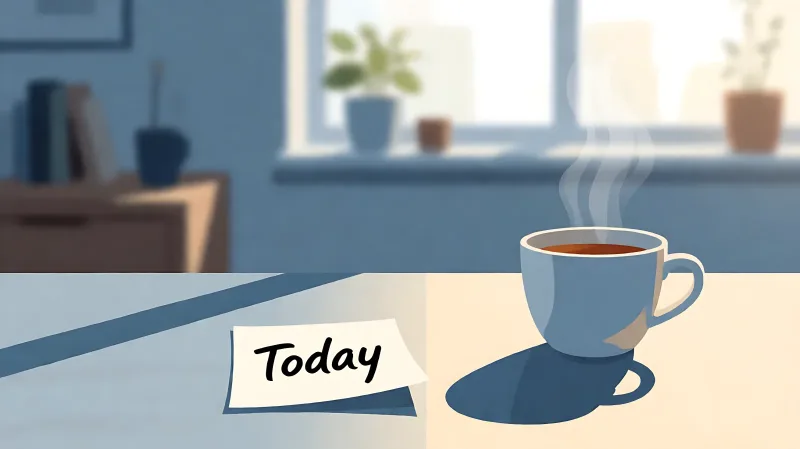
Feeling overwhelmed by caregiving duties? This productivity system helps you prioritize one core task daily to prevent burnout, reduce anxiety, and reclaim your energy.
When the demands of caregiving threaten to exceed your capacity, a one-task-per-day system offers a viable escape from burnout. By identifying and executing a single priority objective each day, you can reduce the paralyzing mental load that contributes to exhaustion, as noted by research on caregiver stress. This approach allows you to focus on what truly matters while delegating or postponing the rest, thereby preserving your physical and emotional resilience.
Why does a one-task-per-day system prevent burnout?
Caregiver burnout is defined by the Cleveland Clinic as a state of physical, emotional, and mental exhaustion that arises when individuals neglect their own well-being while caring for others. Studies cited by the medical center indicate that more than 60% of caregivers experience these symptoms, often manifesting as fatigue, anxiety, and withdrawal. The primary driver of this exhaustion is rarely a single event, but rather a "systems failure" where the volume of mental tracking—remembering medications, logistics, and updates—outpaces your available energy.
The one-task-per-day method disrupts this cycle by enforcing a hard limit on daily cognitive load. Instead of trying to manage twenty small obligations simultaneously, you designate one high-impact task as your primary objective for the day. This shifts your mindset from reactive scrambling to proactive focus. By consciously deprioritizing non-essential items, you create the mental space necessary for rest and self-compassion, which are critical for long-term sustainability.
How do you identify the single most important task?
Selecting the right task requires a brief period of triage at the start of each day. You must evaluate your obligations against the urgency and impact criteria. For a caregiver heading toward burnout, the "one task" is often the one that ensures safety, provides a necessary respite, or addresses a critical communication need. For example, rather than cooking a full meal, the one task might be ordering nutritious meals, allowing you to rest. Or, instead of managing every appointment, it might be confirming one crucial specialist visit and delegating the rest.
It is essential to accept that not every day will result in a perfect outcome. The goal is completion of a significant item, not perfection of all items. This acceptance reduces the guilt that often accompanies the decision to leave lower-priority tasks undone. As experts at FreedomCare note, caregivers often feel a lack of control due to unrealistic expectations; the one-task system replaces that illusion of total control with the realistic management of one achievable goal.
What role does mindfulness play in this system?
Productivity without presence can become another source of stress. Integrating mindfulness techniques helps maintain emotional balance while you execute your daily priority. TheKey highlights that mindfulness is not about emptying the mind, but about being aware of the present moment without judgment. When you focus on one task, you can use simple breathing resets to manage the anxiety that often accompanies caregiving decisions.
Before starting your one task, take thirty seconds to engage in a breathing reset: inhale deeply, expanding your chest and belly, and exhale slowly, letting your shoulders drop. This activates the body's relaxation response, lowering heart rate and clearing mental fog. You can also use "present-moment anchoring" during the task. For instance, while preparing a medication, notice the specific texture of the pill bottle or the light coming through the window. This grounds you in the immediate physical reality, breaking the spiral of "what if" worries about the future or regrets about the past.
How can you structure your day around a single priority?
Implementing this system requires a simple daily routine that protects your time and energy. You should designate a specific time each morning, ideally before you begin any caregiving duties, to choose your one task. This decision should be made when your mind is freshest. Once chosen, you commit to this task for the day. All other tasks are either delegated to a support network, rescheduled for another day, or accepted as incomplete.
To make this work, you must first build a support structure. As Caring Village suggests, using shared systems or family meetings to delegate tasks removes the invisible burden of keeping everyone informed. When your "one task" is chosen, you can hand off the rest with confidence. If you are struggling to find support, consider contacting local respite care services or community organizations that offer in-home care or adult day programs. These services provide the necessary breaks that allow you to step back from the constant vigilance required in caregiving.
What are the signs that the system is working?
Success with the one-task-per-day method is measured by a reduction in your stress baseline, not just by the number of completed chores. You should notice a decrease in the physical symptoms associated with burnout, such as chronic fatigue, headaches, or changes in sleep patterns. Emotional shifts are also key indicators; you may feel less irritable toward your loved one and more engaged in your own hobbies. As FreedomCare points out, a decrease in the frequency of illnesses is a strong sign that your immune system is recovering from the chronic stress of overwork.
If you still feel overwhelmed despite using this method, it may be time to reassess the intensity of your caregiving role. High-intensity care, particularly for conditions like dementia or multiple sclerosis, requires constant alertness. In these cases, the "one task" should focus heavily on self-preservation, such as ensuring you have a block of uninterrupted sleep or a scheduled therapy session. Remember that your health is just as important as the well-being of the person you care for.
FAQ
Is the one-task-per-day system realistic for caregivers of patients with acute needs?
For acute or high-risk situations, the "one task" may be a safety check or a medical appointment rather than a complex project. In cases of immediate crisis, standard emergency protocols take precedence. However, even in acute phases, identifying a single primary objective, such as stabilizing the home environment, can prevent total decision paralysis. The system is most beneficial during the chronic phases of caregiving where the sheer volume of routine tasks leads to mental fatigue.
How do I handle guilt when I leave other tasks undone?
Guilt is a common symptom of burnout, often stemming from the belief that caregiving requires self-sacrifice. To manage this, reframe the undone tasks as intentional boundaries rather than failures. Acknowledge that you are protecting your ability to provide care in the long term. The Cleveland Clinic advises that neglecting self-care leads to worse outcomes for everyone. Recognize that completing one critical task is a successful day, and that the remaining items are manageable future challenges, not current obligations.
Can this method be combined with mindfulness practices?
Yes, and they are complementary. Use mindfulness to select your task with clarity and to perform the task with presence. For example, use the "self-compassion pause" before starting your one task to acknowledge your difficulty. During the task, use "mindful caregiving moments" to stay grounded. Afterward, use a brief meditation to release the mental effort. This combination ensures that the productivity system does not become another source of mechanical stress, but instead becomes a ritual of self-respect.