Is It Safe to Mix Nootropics for Dementia Care?
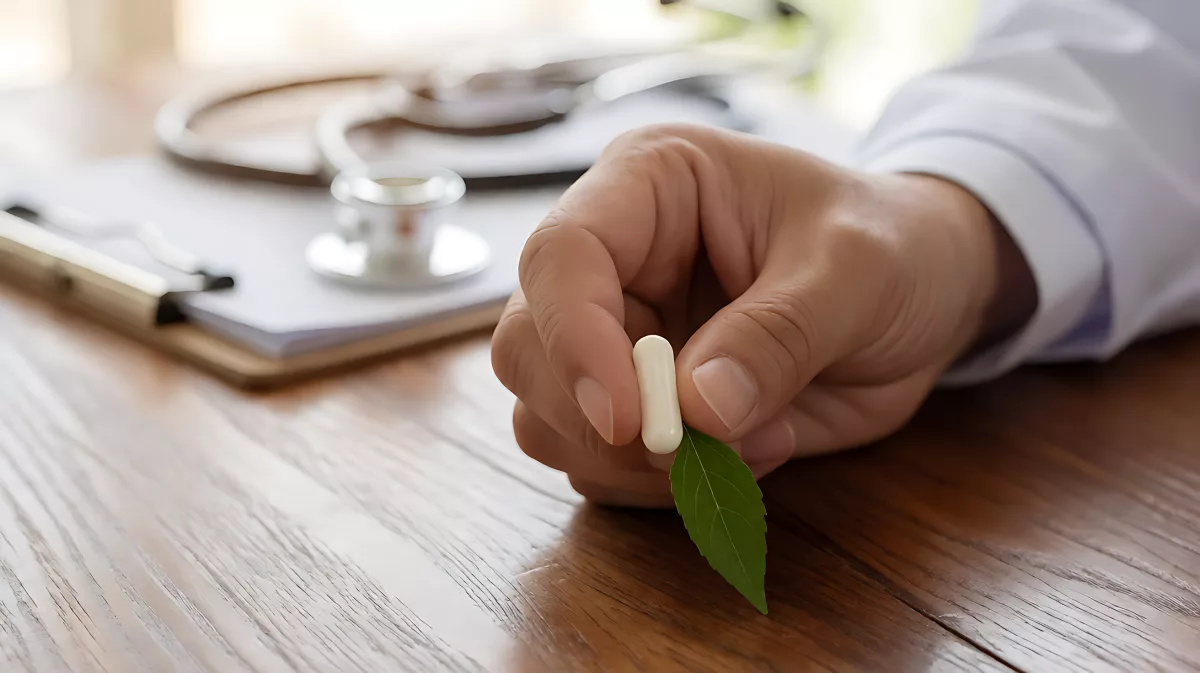
Using nootropic stacks for dementia requires caution. While ingredients like Lion's Mane and Bacopa show promise for healthy brains, combining them for patients with cognitive decline presents significant safety risks.
Using nootropic supplements to treat dementia is not recommended without strict medical oversight, as many ingredients have limited evidence in neurodegenerative patients. While some compounds show mild cognitive benefits in healthy adults, combining them into a "stack" for someone with dementia can lead to harmful drug interactions and unpredictable side effects. The Alzheimer's Association notes that no supplement has been proven to reverse dementia, and the American Geriatrics Society advises caution when adding new substances to an elderly patient's regimen.
Why Nootropic Stacks Are Risky for Dementia Patients
People often turn to nootropics when they fear cognitive decline, hoping to buy brain power off the shelf. However, a "stack" implies taking multiple supplements simultaneously, such as combining adaptogens, mushrooms, and amino acids. For individuals with mild cognitive impairment or diagnosed dementia, this approach is dangerous. The bodies of older adults process chemicals differently, and the blood-brain barrier, which already struggles to maintain integrity during dementia, may react unpredictably to high doses of active compounds.
Furthermore, dementia patients are often on prescription medications for blood pressure, mood, or heart conditions. Certain nootropics can influence blood pressure or interact with enzyme systems in the liver, leading to altered levels of prescribed drugs. For example, some herbal adaptogens may thin the blood or interfere with the metabolism of statins and antidepressants. Without a full medical review, stacking these ingredients creates a complex web of potential interactions that general consumer guides rarely address for clinical populations.
What Research Says About Efficacy in Neurodegeneration
Most studies on popular nootropics like Lion's Mane or Bacopa monnieri are conducted on young, healthy volunteers. These studies typically show modest improvements in memory or attention, but the results are not necessarily applicable to a brain suffering from amyloid plaques or tau tangles, the hallmarks of Alzheimer's disease. A review by the National Institutes of Health suggests that while anti-inflammatory properties in these supplements are promising in animal models, translating that data to human dementia care remains a significant gap. As of 2026, major regulatory bodies like the FDA continue to classify these products as dietary supplements, not drugs, meaning they are not evaluated for the same safety standards as dementia treatments.
Key Ingredients and Their Specific Risks
Not all nootropics carry the same risk profile. Understanding the specific dangers of common stack ingredients helps clarify why a "more is better" mentality fails in dementia care.
- Lion's Mane (Hericium erinaceus): Studies suggest it may stimulate nerve growth factor, but it can trigger allergic reactions in sensitive individuals. For those with existing autoimmunity or liver issues, the impact is less understood. It should not be taken without monitoring liver enzymes.
- Bacopa monnieri: This herb is known for long-term cognitive effects, but it causes gastrointestinal distress in a significant portion of users. Dementia patients often have slower digestion and swallowing difficulties, making side effects more severe. It also has a delayed onset, requiring months of daily use before effects appear, which is impractical for many care scenarios.
- Rhodiola rosea: While used for fatigue, Rhodiola can increase blood pressure and heart rate. This is a critical concern for dementia patients, many of whom have cardiovascular comorbidities. Unmonitored use can lead to palpitations or hypertensive events.
- L-Theanine: Often considered milder, L-Theanine is generally safer but can cause drowsiness. When combined with sedative dementia medications, this drowsiness can lead to falls, a leading cause of injury in elderly patients.
The Dangers of Unregulated Quality
The supplement industry is not strictly regulated like the pharmaceutical sector. A study published in the New England Journal of Medicine found that many commercial supplements did not contain the ingredients listed on the label. For a dementia patient, who relies on caregivers to administer doses, this inconsistency is a major hazard. One pill might contain a therapeutic dose of an herb, while another batch might be underdosed or contaminated with heavy metals. Caregivers cannot easily verify purity without professional laboratory testing, making even single-ingredient use risky without reputable sourcing.
How to Approach Brain Health Safely
If you or a loved one are looking to support cognitive health, the safest path is through lifestyle and proven interventions. The American Heart Association emphasizes that cardiovascular health is linked to brain health. A diet rich in fruits, vegetables, and omega-3 fatty acids, combined with regular aerobic exercise and sleep hygiene, has robust evidence for slowing cognitive decline. When considering supplements, always consult a neurologist or geriatrician first. They can review the patient's specific pathology, current medication list, and liver/kidney function to determine if a specific ingredient is safe, and at what dose.
FAQ
Can I use nootropic stacks to reverse dementia?
No. There is no scientific evidence that nootropic supplements can reverse or cure dementia. While they may offer mild support for general cognitive function in healthy individuals, they do not address the underlying neurodegeneration of conditions like Alzheimer's or vascular dementia. Relying on supplements instead of medical treatment can delay necessary care.
Are there nootropics that are safe for the elderly?
Some ingredients, like vitamin D or omega-3 fatty acids, are generally safe and recommended by many clinicians if levels are low. However, complex herbal stacks are risky. Always prioritize medical advice over marketing claims. If a supplement is suggested, ensure it is tested by a third-party organization for purity and potency to avoid contamination risks.
What are the most common side effects in older adults?
Common issues include digestive upset, nausea, and changes in blood pressure. More serious risks include drug interactions with heart medications or blood thinners. Because older adults have slower metabolism, the half-life of these substances can be longer, leading to an accumulation of side effects over time. Monitoring is essential.
Should I stop nootropics if I am prescribed dementia medication?
Yes, you should discuss this immediately with your healthcare provider. Mixing unknown herbal compounds with prescription drugs like cholinesterase inhibitors can lead to unpredictable outcomes. The provider can advise whether to discontinue the supplement or adjust the prescription, ensuring safety and preventing adverse reactions.