What Is Micro-Movement Therapy? Benefits & Techniques
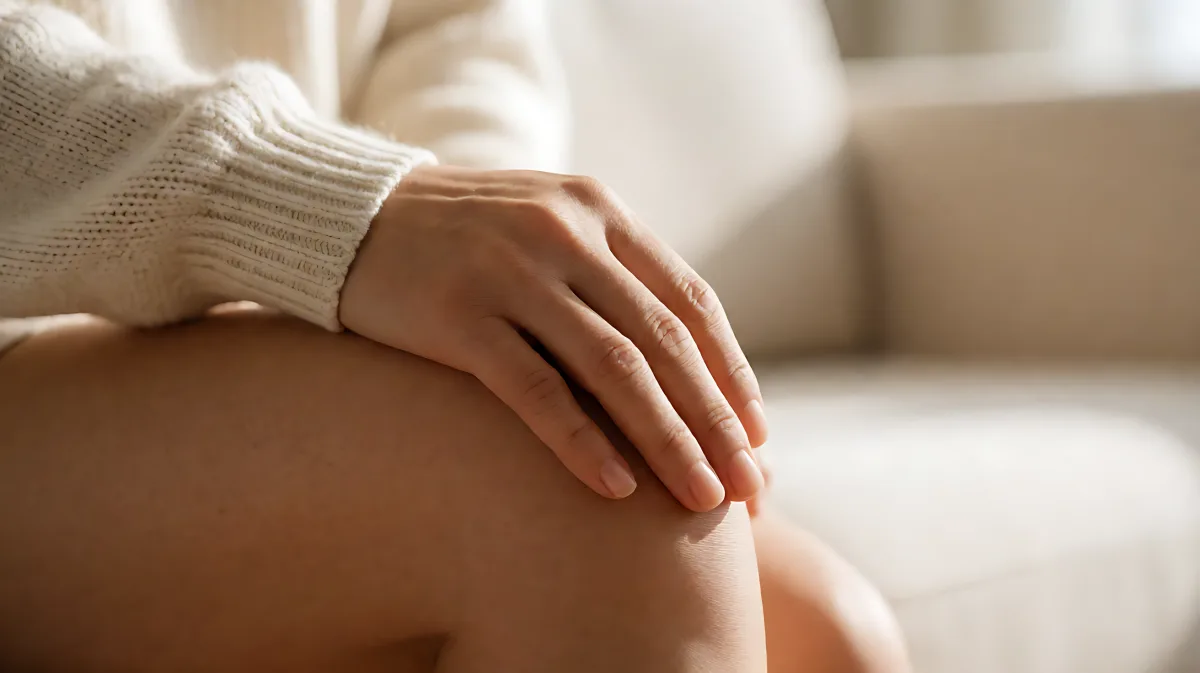
Micro-movement therapy utilizes subtle, intentional physical shifts to signal safety to the nervous system. Learn how these small adjustments interrupt stress responses and promote lasting regulation.
Micro-movement therapy involves using subtle, intentional physical shifts to signal safety to your nervous system. By noticing and engaging with tiny movements like unclenching your jaw or shifting your weight, you can interrupt stress patterns and promote regulation. These small actions act as powerful cues that help your body move from survival states back into balance, offering a portable and accessible tool for mental and physical wellness.
Why small shifts matter for nervous system regulation
When people think about calming their body, they often imagine grand gestures like yoga poses or long runs. However, the nervous system frequently responds better to gentle, low-impact cues. According to Tidal Trauma Centre, practitioners in Surrey and Langley report that subtle actions create significant internal changes. These movements help you feel more present and less overwhelmed without requiring complex routines or dedicated time slots.
What defines a micro-movement?
Micro-movements are minor adjustments in posture, muscle tension, or attention designed to reset the nervous system. They are subtle enough to be performed anywhere, including during meetings, on public transit, or in the middle of a conversation. Common examples include rolling your shoulders, softening your gaze, or pressing your feet lightly into the floor. Because they are so understated, you can use them discreetly throughout your day without drawing attention.
How micro-movements interrupt stress patterns
Chronic stress and trauma can cause the body to hold tension in fixed patterns, such as tight shoulders or shallow breathing. These physical habits keep the nervous system stuck in fight, flight, or freeze modes. Micro-movements work by interrupting these signals. For instance, relaxing your jaw tells your body it is safe to soften. Shifting your eyes to the periphery helps you orient to your current environment rather than focusing on past dangers. Pressing your feet into the ground provides a sense of support and stability, reassurance that moves the system toward homeostasis.
Everyday examples of subtle resets
- In a meeting: Uncrossing your arms after sitting rigidly allows your shoulders to soften, signaling a release of defensiveness.
- At a desk: Taking a deep exhale while unclenching your jaw helps release tension accumulated during stressful work.
- Driving home: Adjusting a tight grip on the steering wheel allows the tension in your hands to dissipate.
- In conversation: Glancing briefly out a window gives your nervous system a pause from high-intensity social interaction.
Micro-stimulation technology and clinical applications
Beyond voluntary self-movement, professional care settings are integrating technology that automates these principles. Thomas Hilfen, a German nursing care company, developed MiS Micro-Stimulation®, a system that transforms tiny movements, such as breathing, into microfine counter-movements. This technology is designed to provide the brain with constant body information, which is crucial for maintaining a healthy body image and motor function.
How technology supports recovery
Modern neuroscience has disproved older 20th-century beliefs that the adult brain is static. Research shows that synapses change throughout life. Thomas Hilfen states that lack of sensory information can affect the brain's body structure within days. Their systems use high-tech undersprings and specialized foam mattresses to absorb patient movements and generate responsive counter-movements. This process supports blood circulation, relieves pain, prevents pressure ulcers, and promotes restful sleep. Clinical evaluations of their ThevoActiv systems have observed improvements in general condition and reduced medication needs for patients with complex care requirements.
Integrating somatic approaches into daily life
Building a practice of noticing micro-movements is about observing what your body is already doing rather than forcing new actions. You may find yourself sighing or glancing away without realizing it. These are natural resets. Instead of ignoring these impulses, pause and ask what your body needs. Do you need to shift, breathe, or release? Over time, this mindfulness makes regulation feel less effortful. In clinical settings, therapists use these cues to guide patients. For example, if a client's shoulders drop during a difficult conversation, a therapist might invite them to notice that release and allow a fuller exhale, anchoring safety in the moment.
Complementary technologies for home use
While therapy often focuses on manual somatic work, consumers are also turning to wearable technology for similar benefits. Companies like DNA Vibe offer wearable devices that use therapeutic micro-vibration, red light, and magnetic energy to support recovery. For example, their Jazz Band Live Pro wearable is designed to be used before or after activity to ease stiffness and support mobility. These devices align with the broader trend of integrating micro-stimulation principles into daily wellness routines, offering a way to support the body's natural regenerative processes outside of clinical settings.
Frequently Asked Questions
Are micro-movements effective for severe anxiety?
Yes, micro-movements can serve as immediate grounding tools for anxiety by interrupting stress loops. While they are powerful for quick resets, individuals with severe trauma or anxiety may benefit from combining these self-regulation techniques with professional support from somatic therapists or clinicians.
How is micro-movement therapy different from traditional grounding?
Grounding typically focuses on orienting yourself to the present moment using the five senses. Micro-movements are more specific, involving subtle physical shifts in posture or muscle tension to signal safety to the nervous system. Both support regulation, but micro-movements are often more portable and can be performed with less conscious effort.
Do I need special equipment to practice micro-movements?
For basic somatic micro-movements, no equipment is needed; your own body is the tool. However, if you are in a care setting or have limited mobility, technology like MiS Micro-Stimulation® systems or wearable devices like those from DNA Vibe can provide assisted micro-stimulation to support the nervous system when self-generated movement is difficult.
Can these techniques be used in public places?
Absolutely. Because micro-movements are subtle, they are ideal for public spaces. You can relax your jaw during a meeting, exhale slowly on a bus, or shift your posture at your desk without anyone noticing. This discretion makes them highly accessible for anyone seeking nervous system regulation in their daily life.