Memory Care Move-In Checklist & First Night Essentials
Moving a loved one into memory care requires a strategic packing approach. This guide details the 2026 essentials for the first night, covering clothing, toiletries, and comfort items that ease the transition.
Creating a welcoming environment on the first night of memory care requires a strategic, simplified packing list focused on comfort and safety. Caregivers should prioritize bringing easy-to-wear clothing, essential toiletries, and familiar comfort objects like photos and blankets. Avoiding valuables and complex items reduces stress for both the resident and staff, facilitating a smoother adjustment to the new community.
Why Is the First Night in Memory Care So Challenging?
For individuals with dementia, a new environment can trigger confusion, anxiety, and disorientation. The unfamiliar surroundings may cause residents to feel unsafe or disoriented, making the transition period critical for establishing routine and trust. A Place for Mom notes that residents often struggle to adjust to new routines, meaning the physical setup of their room can significantly impact their emotional state. By curating a space that feels like home, caregivers can mitigate these initial stressors and support the resident's sense of identity and stability.
What Are the Three Critical Steps Before Move-In Day?
Preparation is key to a successful transition. Many families assume that bringing personal belongings is straightforward, but in fact, memory care facilities have strict safety protocols that restrict certain items. To ensure a smooth start, follow these three actionable steps:
- Consult the facility: Contact the specific memory care community to obtain their prohibited item list and room dimensions. Policies vary significantly; some facilities do not allow electrical appliances or glass containers due to breakage and safety risks.
- Label everything: Use permanent markers or iron-on labels to mark all clothing and personal items with the resident's full name. Clothing and belongings frequently get mixed up in communal laundry areas, and clear labeling prevents items from being discarded or given to others.
- Create a visual reference: Assemble a simple photo book or poster featuring recent family members, clearly labeled with names and relationships. This provides staff with conversation starters and gives the resident a familiar reference point during the adjustment period.
What Clothing Should You Pack for a Memory Care Resident?
Clothing should prioritize comfort, ease of dressing, and easy laundering. Aim to pack seven to ten days' worth of outfits to account for laundry cycles. Focus on elastic-waist pants, pullover shirts, and slip-on shoes with non-slip soles to prevent falls. Avoid items with complex fasteners, drawstrings, or delicate fabrics that require dry cleaning. According to CareThru, choosing machine-washable, soft cotton items in familiar colors helps residents feel more oriented and comfortable.
Which Toiletries and Personal Care Items Are Essential?
Bring the specific products the resident already uses to maintain their daily routine. This includes shampoo, body wash, toothpaste, and lotions. However, check facility policies regarding container types; many memory care communities prohibit glass bottles and aerosols for safety. If the resident uses hearing aids or eyeglasses, pack the necessary cleaning supplies and spare cases. Note that most facilities provide basic incontinence supplies like briefs and wipes, so verify this before packing to avoid duplication.
How Do You Create a Comforting Atmosphere in the Room?
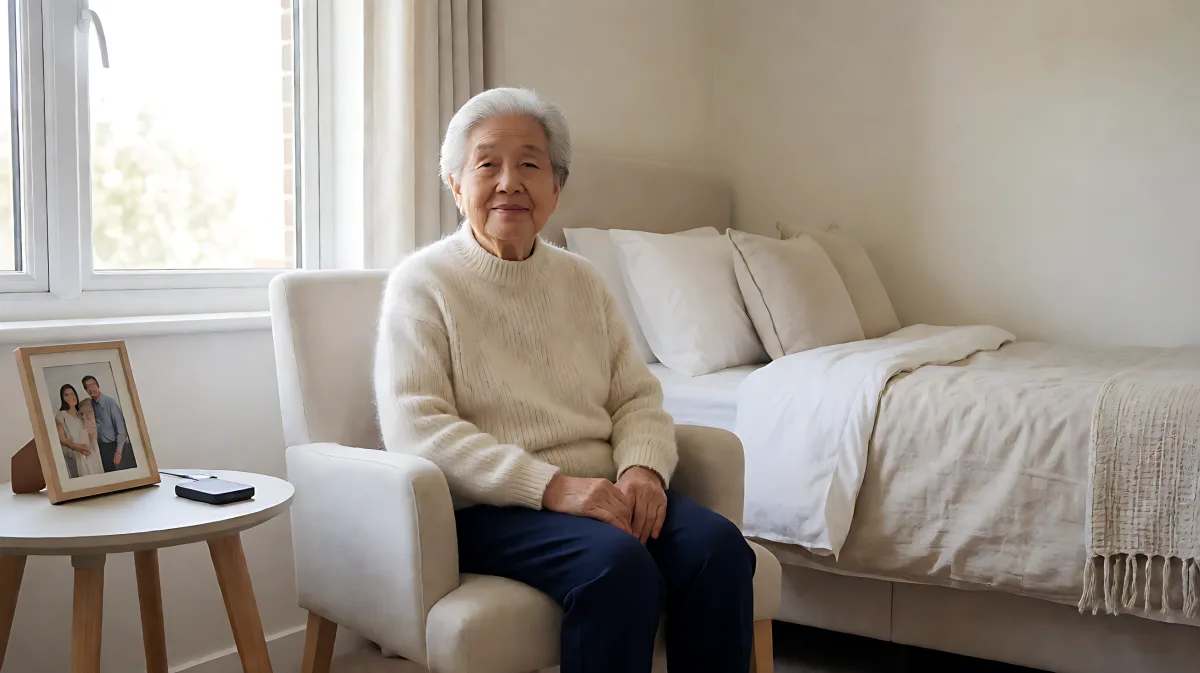
The interior environment has a profound effect on those dealing with dementia. Personalize the space with meaningful but replaceable items. A favorite blanket, a cherished quilt, or a small collection of framed family photos can provide sensory familiarity and emotional comfort. Avoid bringing high-value jewelry or irreplaceable sentimental objects, as these items can be lost or damaged in facility laundering and their absence may cause distress. Instead, focus on items that trigger positive memories and provide tactile comfort.
What Should You Leave Behind?
Downsizing is a difficult but necessary part of the move. Exclude valuables, expensive clothing, and large furniture unless the facility allows it. Most memory care rooms are pre-furnished with basic beds, dressers, and chairs. Items with complex care instructions, such as silk garments or delicate china, should be left with family members or donated. The New Perspective guide recommends using the "one-year rule" to determine what to keep: if an item hasn't been used in the last year, it likely does not need to move into the care facility.
Frequently Asked Questions
Can residents keep their own TV or music player?
Many facilities allow small personal electronics like tablets or music players, but large TVs and power appliances are often restricted for safety reasons. Always confirm with the specific community's policy before packing. A small, senior-friendly tablet or a portable speaker can be excellent entertainment options if permitted.
How many outfits should I pack for the first week?
It is recommended to pack seven to ten complete outfits, including underwear and socks, to ensure a clean wardrobe is available during laundry cycles. This quantity balances the need for clean clothes with the limited storage space in most memory care rooms.
Are electric razors allowed in memory care?
Facilities generally prefer electric razors over disposable blades to reduce the risk of cuts. However, some communities prohibit all personal grooming tools and provide staff assistance for shaving. Check the specific facility's rules regarding personal care tools before moving in.
How can I make the room feel like home without cluttering it?
Focus on a few high-impact, familiar items such as a favorite photo album, a special pillow, or a meaningful piece of art. Keep the room uncluttered to prevent confusion and agitation. Personalizing the space with these key comfort objects helps orient the resident and makes the new environment feel safer and more welcoming.