Medication Adherence Technology: 7 Effective Tools
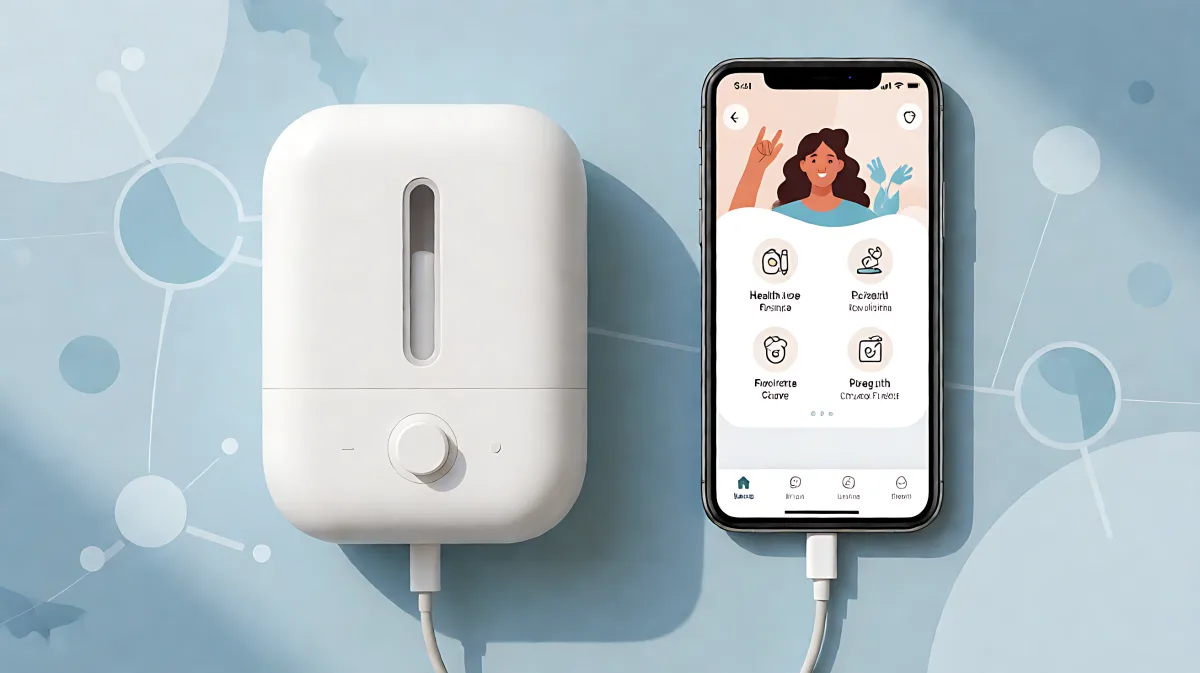
Nearly half of patients with chronic conditions struggle to take medications as prescribed. New digital tools—from smart pill bottles to AI chatbots—are changing that. Here’s how they work and who benefits.
Nearly half of patients with chronic conditions miss doses or stop taking medication early, leading to preventable health complications. Smart medication adherence technology, including connected pill dispensers and AI-driven mobile apps, helps close this gap. These tools track doses in real time, send personalized reminders, and alert caregivers or providers when a patient falls behind, significantly improving consistency and outcomes.
Why Do Adherence Problems Persist?
Medication non-adherence is not usually about laziness. It is often the result of complex regimens, cognitive changes, poor eyesight, or the simple exhaustion of managing a chronic illness. Researchers from Duke Health estimate that poor adherence costs the US healthcare system between $100 billion and $300 billion annually and contributes to over 10% of hospitalizations. In 2026, the market for solving these issues has matured, offering a range of devices that fit different budgets and lifestyles.
How Do Smart Pill Dispensers Work?
A smart pill dispenser differs from a standard timer or pillbox because it connects to the internet. It logs every dose, syncs with a companion app, and can send alerts to caregivers or doctors. This connectivity is the key feature that turns a passive container into an active monitoring tool. Leading devices in 2026, such as Hero, MedaCube, and MedMinder, use different mechanisms to achieve this:
- Carousel systems rotate a disc of compartments to align the correct dose with the opening.
- Bin or cassette systems store each medication in a labeled slot and use internal logic to dispense the correct pill.
- Tray systems use pre-filled cups that are loaded weekly, resembling a traditional pill organizer but with digital tracking.
What Evidence Supports These Devices?
The data shows a clear improvement when technology is integrated into daily care. A study published in JMIR Formative Research found that community-dwelling adults using smart dispensers achieved adherence rates between 93% and 97% over six months. In contrast, adherence with a standard manual pillbox averages around 50%. This suggests that the act of connecting a device to a caregiver or provider creates a accountability loop that standalone devices cannot match.
For patients with specific conditions, the impact is measurable. Research in Preventing Chronic Disease indicates that patients with diabetes or cardiovascular disease who do not adhere to their medication have a 15% to 22% higher risk of all-cause mortality compared to those who do. Smart dispensers help mitigate this risk by ensuring consistency.
Are There Common Misconceptions?
Many families assume that a smart pill dispenser will automatically fix all medication errors. In fact, these devices are monitoring and reminder tools, not diagnostic or prescribing assistants. They reduce the chance of missed doses through alerts and logging, but they do not replace clinical judgment. If a device alerts a caregiver that a dose was missed, a doctor still needs to determine if that missed dose requires a make-up dose or simply a note in the chart. The technology supports the process; it does not manage the medical decision.
How Do AI and Mobile Apps Enhance Adherence?
Connectivity is only part of the story. Artificial intelligence is now playing a major role in predicting and preventing missed doses. AI-powered apps analyze vast amounts of patient data to identify patterns. For example, a machine learning algorithm might notice that a patient is more likely to miss their evening dose on days when they report high stress or fatigue. The app can then adjust its reminder strategy, perhaps sending a nudge earlier in the day or scheduling a check-in call from a virtual assistant.
One notable solution is the context-aware nudging system developed by OSP Labs. Instead of generic alerts, this platform analyzes real-time data—including mood and refill timing—to send empathetic, tailored messages. One patient might receive a text that says, “We noticed you’ve missed some medication recently. Would you like us to check in tomorrow?” This approach has been shown to improve adherence by up to 10 percentage points by fostering a partnership rather than just issuing commands.
What Is the Role of Smart Pill Bottles?
For those who prefer to keep their own packaging, smart pill bottles offer a middle ground. These devices embed sensors in the cap or bottle to detect when the medication is opened. Companies like AdhereTech and Pillsy lead this space. The data from these bottles syncs to a mobile app, allowing patients to track compliance without switching to a dispenser. Clinical studies suggest that adherence rates for users of smart pill bottles can range from 50-60% up to 80-90%, depending on the complexity of the regimen and the level of support provided.
How Should You Choose the Right Technology?
Selecting the right tool depends on the specific needs of the patient and caregiver. A five-question framework can help guide the decision:
- Who is managing the medications? If the patient has early cognitive impairment, a device with simple drawers or tray-based dispensing is often more usable than a carousel requiring fine motor skills.
- How many medications are involved? Polypharmacy (taking five or more drugs) benefits most from bulk-loading dispensers that prevent accidental double-dosing.
- Who needs to know? If a long-distance caregiver needs reassurance, a connected device with remote alerts is essential.
- What is the budget? Prices in 2026 range from $80 for basic one-time purchases to $125 per month for premium subscription services that include clinical monitoring.
- Is there a medical condition? Patients with heart failure or diabetes may benefit from apps that also track symptoms and interactions, not just doses.
Can These Devices Be Used With Insurance?
Cost is a significant barrier, but options are improving. Many smart pill dispensers are HSA or FSA eligible. In the US, some devices may qualify for coverage under Remote Therapeutic Monitoring (RTM) benefits through Medicare, though this is not universal and depends on the specific device and provider. It is always advisable to check with the health plan before purchasing to see if the device is pre-approved or if reimbursement is possible.
What Does the Future Hold for Adherence Tech?
The trajectory of medication adherence technology is moving toward greater integration with electronic health records and genomic data. As of 2026, the focus is on creating a holistic view of patient health. This means a smart dispenser might not just log a dose, but cross-reference it with a patient’s lab results or genetic markers to flag potential interactions. The goal is a system that anticipates problems before they happen, turning medication adherence from a daily chore into a seamless part of chronic care management.
FAQ
What is the most effective smart pill dispenser in 2026?
There is no single “best” device for everyone, but Hero, MedaCube, and MedMinder are highly regarded for their reliability and connectivity. The right choice depends on whether the patient needs bulk-loading (Hero/MedaCube) or tray-based loading (MedMinder) and whether the primary user has mobility or cognitive constraints.
Do smart pill dispensers work for people with dementia?
Yes, but the device must be carefully selected. A 2026 study in JMIR Aging found that older adults with mild cognitive impairment achieved high adherence with dispensers, but they struggled with devices that required complex mechanical actions. Simple, tray-based systems or devices with large, clear interfaces are generally recommended for this group.
How do I know if my doctor accepts data from my smart pill device?
Many providers now use platforms that can import data from major smart pill brands. Before buying, ask your healthcare team if they use a specific digital health platform or if they are willing to review PDF exports from the app. Some devices also allow you to share reports directly via email or secure portals.
Are AI medication apps safe and private?
Reputable AI health apps follow strict data protection standards, including HIPAA compliance in the US and GDPR in the UK. However, you should always review the app’s privacy policy to understand how your data is used. Look for apps that encrypt data both in transit and at rest, and that allow you to easily delete your account and data.