Latest Health Research: Cocoa, Movement & Sleep Benefits
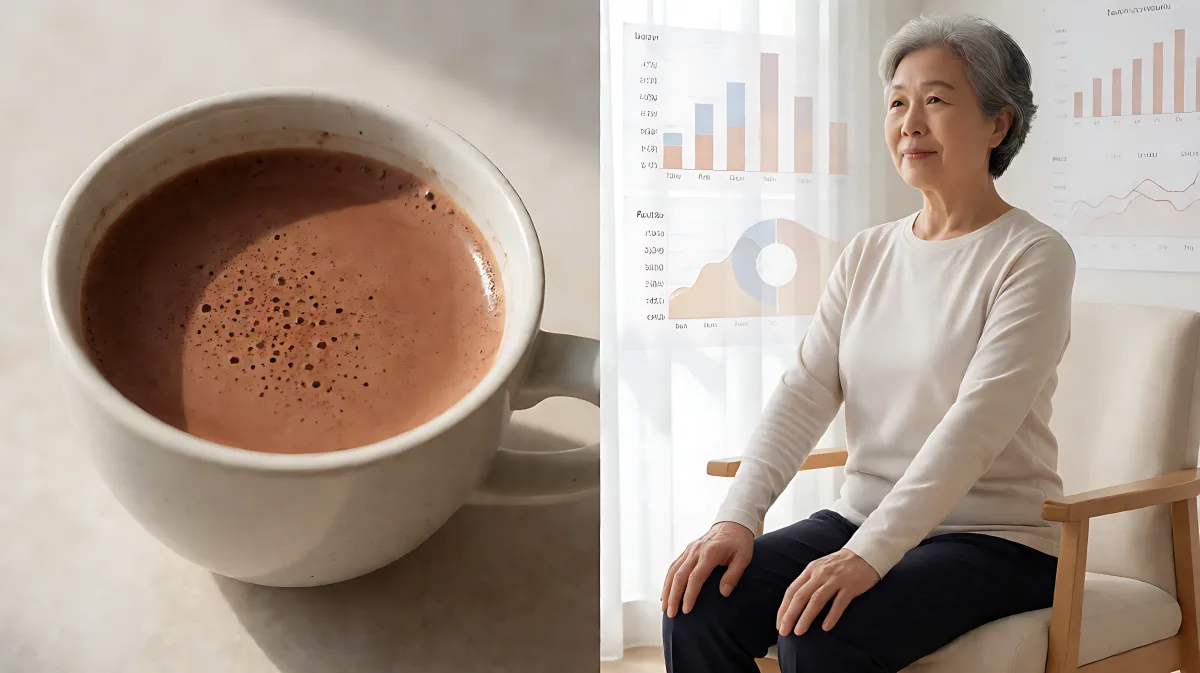
Recent health research highlights the powerful impact of simple lifestyle changes. From drinking cocoa to improving sleep with brief workouts, new studies reveal key strategies for better cardiovascular health, brain function, and overall longevity.
New health research suggests that small, consistent lifestyle adjustments can yield significant physiological benefits. For instance, recent studies indicate that consuming cocoa may support arterial health, while just ten minutes of daily physical activity is linked to deeper sleep patterns. Additionally, higher doses of Vitamin D have shown a correlation with improved cognitive function in adults experiencing mild impairment. These findings, emerging in 2026, emphasize the role of diet, movement, and supplementation in maintaining long-term wellness.
Does Cocoa Really Protect Your Arteries?
For those spending long hours at a desk, a warm cup of cocoa might be more than just a comfort. According to research published in 2026, the flavanols found in cocoa have the potential to protect arterial function. The study suggests that regular consumption can help mitigate the stiffness often associated with sedentary lifestyles. While cocoa is not a replacement for medical treatment, it represents a simple dietary addition that supports cardiovascular resilience.
What Specific Benefits Does Cocoa Offer?
The key compound in cocoa is flavanol, which helps improve blood flow and reduces inflammation in the vascular system. Researchers noted that these effects are particularly beneficial for individuals with high blood pressure or those at risk of developing atherosclerosis. By incorporating pure cocoa powder into smoothies or hot drinks, consumers can harness these natural antioxidants without adding excessive sugar or calories. This aligns with broader nutritional trends that favor whole, minimally processed food sources for heart health.
Can Ten Minutes of Daily Exercise Improve Sleep?
It is a common misconception that vigorous, prolonged workouts are necessary for better rest. A 2026 study conducted by researchers at the University of Texas at Austin challenges this view. The findings revealed that as little as ten minutes of moderate to vigorous physical activity per day is associated with deeper sleep quality. This short duration is accessible for most people, even those with busy schedules, making it a highly practical intervention for chronic insomniacs.
How Does Short-Duration Exercise Affect Sleep Architecture?
The study indicates that brief bursts of activity help regulate the circadian rhythm more effectively than long, steady-state cardio for some populations. The mechanism involves a moderate increase in body temperature followed by a rapid drop, which signals the brain to prepare for sleep. This discovery is significant because it lowers the barrier to entry for physical activity, encouraging individuals to move without the mental burden of needing to commit an hour at the gym.
What Is the Link Between Vitamin D and Cognition?
As we age, maintaining sharp mental acuity becomes a priority. A 2026 study focused on adults with Mild Cognitive Impairment (MCI) and poor sleep quality found a strong link between higher doses of Vitamin D and better cognitive outcomes. The research suggests that adequate levels of this nutrient support neuronal health and may slow the progression of memory issues. This is particularly relevant for individuals who do not get sufficient sunlight exposure, a common factor in MCI development.
Which Groups Should Prioritize Vitamin D Supplementation?
While general recommendations for Vitamin D intake have remained stable, the new data suggests that older adults with existing cognitive markers may benefit from higher therapeutic doses under medical supervision. The study emphasized that this benefit was most pronounced in those who also struggled with sleep disruption, indicating a complex interplay between hormonal balance, rest, and brain health. Healthcare providers are increasingly monitoring Vitamin D levels as part of routine screenings for dementia risk.
How Do Legumes and Pulses Impact Heart Health?
Beyond cocoa and movement, dietary patterns rich in specific plant proteins are showing promising results for cardiometabolic health. A 2026 analysis linked higher intake of pulses, such as lentils, chickpeas, and dried beans, to a 19% lower prevalence of cardiometabolic disease. This statistic highlights the protective effect of legumes on blood pressure and cholesterol levels. Incorporating these foods into daily meals is a cost-effective strategy for reducing the risk of heart disease.
What Role Do Nuts Play in Antioxidant Intake?
While pulses are gaining attention, nuts remain a cornerstone of heart-healthy diets. However, new nutritional data suggests that not all nuts are created equal when it comes to specific vitamins. While almonds are popular, studies show that sunflower seeds, wheat germ, and hazelnuts often outperform almonds in Vitamin E content. Additionally, peanuts and pistachios offer distinct nutritional profiles; peanuts provide higher protein levels, whereas pistachios are richer in fiber. Choosing a variety of these foods can maximize the intake of essential fatty acids and antioxidants.
Does Ultra-Processed Food Intensity Affect Aging?
The consumption of ultra-processed foods (UPF) has been a subject of intense scrutiny in recent years. A 2026 study confirmed that reducing UPF intake can slow biological aging in older adults. The research measured biological age markers and found that individuals who limited processed snacks and ready-meals had a slower rate of physiological decline compared to those with high UPF consumption. This supports the idea that food quality, not just caloric count, is a determinant of longevity.
What Are the Practical Steps to Reduce UPF?
Experts recommend replacing refined grains with whole grains and processed meats with fresh, lean proteins. Reading labels for long lists of additives is a simple first step. The goal is to shift towards a diet where the majority of calories come from fresh or minimally processed ingredients. This approach not only supports heart health but also improves metabolic flexibility, a key component of healthy aging.
Frequently Asked Questions
How much cocoa is recommended for heart health?
While the 2026 studies did not set a strict universal dose, moderate consumption of one to two cups of pure cocoa or dark chocolate (at least 70% cacao) daily is generally considered sufficient to gain cardiovascular benefits. It is best to avoid sugary cocoa drinks, as the added sugar can negate the positive effects of the flavanols.
Is ten minutes of exercise really enough for overall fitness?
Ten minutes of moderate to vigorous activity daily is specifically linked to improved sleep quality in the recent University of Texas study. For general fitness and cardiovascular endurance, longer sessions are still recommended, but this brief duration is an effective entry point for sedentary individuals to start moving and improve their rest cycles.
Can you get too much Vitamin D?
Yes, Vitamin D is a fat-soluble vitamin, which means it can accumulate in the body. Excessive supplementation without medical guidance can lead to toxicity, causing symptoms like nausea, weakness, and kidney issues. It is crucial to have blood levels tested by a healthcare provider before starting high-dose supplements, especially for adults with Mild Cognitive Impairment.
Are all pulses equally beneficial for reducing heart disease risk?
Most pulses, including lentils, black beans, and chickpeas, share similar profiles of fiber and plant protein that support cardiometabolic health. The 19% reduction in disease prevalence seen in the 2026 study applies to overall higher intake of these legumes. Variety is encouraged to ensure a broad spectrum of micronutrients is consumed.
How does Ping An's model relate to general health trends?
Ping An Group’s integration of health services with financial products, such as their "insurance + health care" model, reflects a global trend towards personalized wellness management. By connecting patients with digital triage and senior care resources, they are part of the broader movement to make preventive health more accessible and integrated into daily life, aligning with the findings that proactive health management improves long-term outcomes.