Knee Pain After Hiking: Causes & Quick Fixes
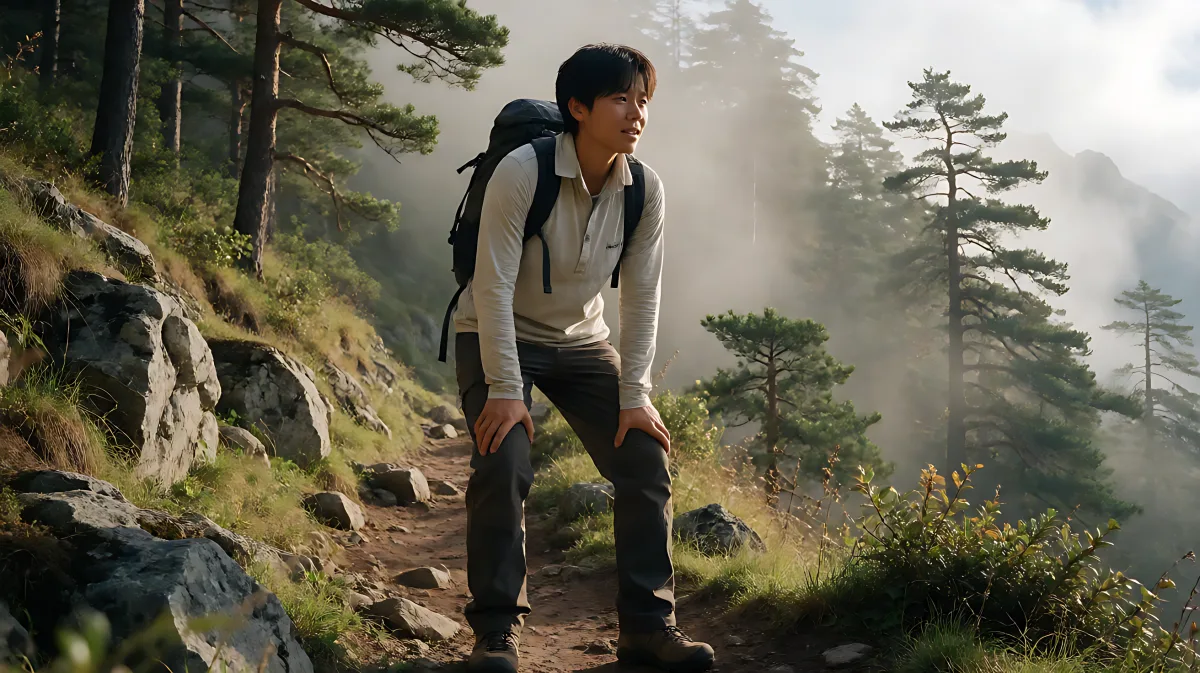
Experiencing sore or swollen knees after a hike? This guide breaks down the seven most common causes of post-hike knee pain, from overuse injuries to specific ligament issues, and offers practical strategies for prevention and recovery.
Knee pain after hiking is primarily caused by repetitive stress, overuse, and the significant force placed on joints during descents. According to research from Harvard Medical School, downhill hiking can exert up to eight times your body weight on the knee joint. While mild soreness is normal, persistent pain, swelling, or locking indicates an underlying issue like bursitis, tendinosis, or a meniscus tear that requires specific care.
Why Do Hikers Experience Knee Pain?
The knee is a complex hinge that relies on three bones: the femur, tibia, and patella. Ligaments and tendons, such as the iliotibial band and patellar tendon, work together to stabilize the joint. When you hike, especially on uneven or steep terrain, these structures endure friction and impact. As of 2026, orthopedic specialists emphasize that the majority of hiking-related knee issues stem from poor biomechanics and inadequate recovery time rather than a single traumatic event.
What Are the Seven Common Causes?
Understanding the specific type of pain is the first step toward effective treatment. Here are the seven most common conditions that lead to post-hike knee discomfort.
1. Bursitis
Bursitis involves the inflammation of the bursae, which are small fluid-filled sacs that cushion the joint. In hikers, this often occurs on the inner side of the knee or over the kneecap due to constant friction and pressure from uneven ground. Symptoms include a warm, tender, and swollen area that feels painful during movement.
2. Tendinosis
Unlike tendinitis, which is acute inflammation, tendinosis is a chronic degeneration of the tendon tissue. This condition results from repetitive stress that disorganizes the collagen fibers in the tendon. It is characterized by a localized burning pain and stiffness. Because tendons have a low blood supply, healing can take three to six months, making prevention and early management critical for hikers.
3. Patellar Tendinitis
Often called "jumper's knee," this condition affects the tendon connecting the kneecap to the shinbone. Hikers who traverse rocky terrain or experience repeated downhill impacts are at higher risk. The pain is typically felt just below the kneecap and may worsen at the start of a hike or immediately after finishing.
4. Meniscus Tear
The meniscus is a C-shaped piece of cartilage that acts as a shock absorber. A tear often happens when the knee is forcefully twisted while bearing weight, such as when jumping off rocks or changing direction on a trail. A key indicator is a popping sensation followed by swelling, stiffness, and a feeling of the knee "locking" or giving way.
5. Iliotibial Band Syndrome
The iliotibial band is a thick fibrous tissue running from the hip to the knee. When hiking uphill, the band rubs against the outer knee joint, causing inflammation. This condition is marked by lateral soreness across the kneecap and can feel like a click or snap on the outside of the knee. It is particularly prevalent among hikers who have tight hip flexors or weak gluteal muscles.
6. Patellofemoral Pain Syndrome
Known as "hiker's knee" or "runner's knee," this syndrome involves the misalignment of the kneecap and the femur. When you hike up inclines, the kneecap presses harder against the joint surface, leading to friction and inflammation. Pain is usually a dull ache around or behind the kneecap that worsens with stairs and prolonged sitting.
7. Anterior Cruciate Ligament Injury
While less common as a mild post-hike issue, an ACL injury is a serious concern if you experience sudden, rapid swelling and severe pain. This ligament can tear during sudden stops or sharp changes in direction on the trail. If your knee feels unstable or you cannot bear weight, this is a medical emergency.
How Can You Prevent Knee Pain While Hiking?
Prevention is far easier than treatment. Incorporating these strategies into your hiking routine can significantly reduce the risk of injury.
- Master Your Descent Form: Lean slightly forward to keep your center of gravity over your feet. This reduces the strain on the knee joint when going downhill. Avoid bending your knees too much on the way down.
- Use Trekking Poles: Poles help redistribute the impact load from your legs to your arms and shoulders. They also provide additional stability on uneven terrain.
- Invest in Proper Footwear: Worn-out boots offer less support and cushioning. Ensure your shoes have adequate arch support and tread to prevent awkward foot placement that strains the knees.
- Strengthen the Support Muscles: Weak hips and glutes force the knees to overwork. Regular strength training for the quadriceps, hamstrings, and glutes is essential for long-term joint health.
- Lighten Your Load: A heavy backpack shifts your center of gravity and increases joint pressure. Pack only essentials and consider using a hydration pouch instead of heavy bottles.
What Should You Do If Pain Persists?
If your knee hurts after a hike, the first step is the RICE method: Rest, Ice, Compression, and Elevation. Applying ice for 15-20 minutes can reduce inflammation. Over-the-counter non-steroidal anti-inflammatory drugs can help manage pain levels. However, if the pain does not subside after 48 hours of rest, or if you notice significant swelling and limited range of motion, you should consult a healthcare professional.
When Should You See a Doctor?
Seek medical attention immediately if you hear a pop during the injury, if the knee cannot be straightened or bent, or if you cannot bear weight. A specialist can provide a definitive diagnosis through physical examination or imaging. Early intervention can prevent a minor irritation from becoming a chronic condition that limits your future mobility on the trails.
Frequently Asked Questions
Is mild knee pain after hiking normal?
Mild soreness can be normal after a challenging hike, especially if you are not accustomed to long distances. However, sharp, persistent, or joint-locking pain is not normal and should be evaluated by a medical professional to rule out structural damage.
Do knee braces help during hiking?
Knee braces can provide additional support and stability, particularly if you have a history of instability or are recovering from an injury. However, they are not a substitute for strong muscles and proper form. Choose a brace that allows for a full range of motion to avoid restricting natural gait.
How long does it take for hiking knee pain to heal?
The recovery timeline depends on the diagnosis. Mild inflammation like bursitis may resolve in two to four weeks with rest. Chronic issues like tendinosis can take three to six months because of the slow healing nature of tendon tissue. Adhering to a physical therapy program can speed up the recovery process.
Should I stop hiking if I have knee pain?
It is wise to pause high-impact hiking until the pain is managed. Cross-training with low-impact activities like swimming or cycling can maintain your cardiovascular fitness without aggravating the knee joint. Consult a physiotherapist to determine a safe return-to-play timeline.