Is a VPN Worth It for Older Adults? Simple Privacy Guide
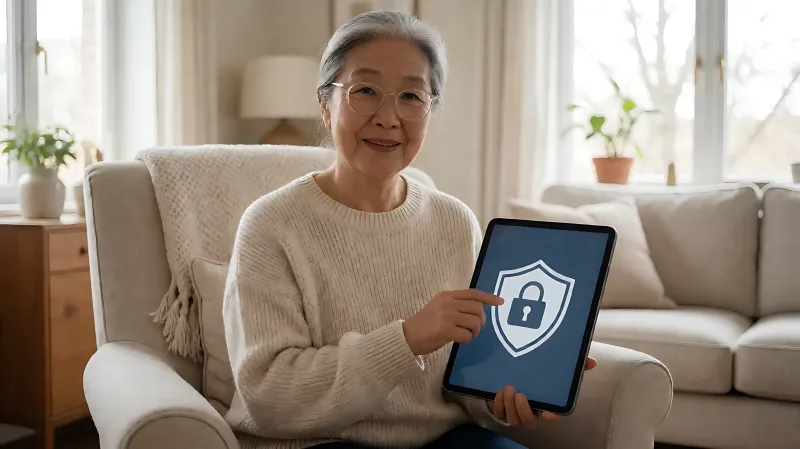
Virtual private networks create a secure, encrypted tunnel for your internet traffic. For older adults, a VPN shields sensitive health and financial data from hackers on public Wi-Fi, stops internet providers from selling browsing habits, and reduces the risk of targeted online scams.
A virtual private network, or VPN, encrypts your internet connection to keep your online activity private and secure. For older adults, this is worth it because it protects sensitive medical and financial data from hackers on public Wi-Fi, prevents internet providers from selling your browsing habits, and makes it harder for scammers to target you. Setting up a simple VPN service takes minutes and provides constant, background protection without requiring advanced technical knowledge.
For more information, see FTC online shopping guidance from the Federal Trade Commission.
What Is a VPN in Simple Terms?
Imagine sending a letter to a friend. Usually, anyone who handles the letter or looks at the mailbox could read it. A VPN creates a sealed, locked envelope that only you and your final recipient can open. Technically, it builds a secure, encrypted tunnel between your device and the internet. Everything you do—checking emails, viewing banking sites, streaming video—travels through this protected pipe. Even if someone on the same network tries to eavesdrop, they only see encrypted data that is essentially gibberish to them.
For those over 60, this concept matters more than ever. The digital landscape has changed, and so have the threats. You no longer need to understand how routers or switches work to benefit from this protection. You just need a reliable service that connects you securely to the web.
Why Are Older Adults a Prime Target for Cybercrime?
Statistics show that seniors are increasingly targeted because they often hold significant assets and may be less familiar with digital threats. The FBI’s Internet Crime Complaint Center reported that individuals over 60 lost $3.4 billion to online scams in recent years, an 11% increase from the previous period. Additionally, the AARP Fraud Watch Network found that adults 70 and older lost an average of $1,580 per scam incident. These numbers highlight a specific vulnerability that a standard web browser cannot fully address on its own.
How Does a VPN Protect Your Health and Financial Data?
Healthcare fraud is a growing concern, especially with the rise of telehealth. Criminals often steal Medicare numbers or personal info to file fraudulent claims. When you log into a patient portal or schedule an appointment online, that sensitive information travels across the internet. A reputable VPN service encrypts this traffic using strong standards, such as 256-bit AES encryption. This is the same level of security used in banking and military applications. It ensures that no one can intercept your prescriptions, health records, or login credentials while they are in transit.
Is It Safe to Use Public Wi-Fi at Libraries or Coffee Shops?
Public Wi-Fi networks at senior centers, libraries, and cafes are convenient, but they are notoriously unsafe. On these open networks, your data is unencrypted. Hackers can use simple tools to capture your passwords and banking details in minutes. This is often called a man-in-the-middle attack. A VPN acts as a firewall against this. It keeps your connection encrypted even when you are on an unsecured public network. Many modern VPN apps also include a "kill switch" feature. If the VPN connection drops unexpectedly, it automatically blocks your internet access until the secure tunnel is restored. This prevents accidental exposure of your data, meaning you never have to monitor the connection constantly.
Does Using a VPN Make You Anonymous?
Not entirely, but it significantly increases your privacy. A VPN masks your Internet Protocol (IP) address, which is like your digital home address. Without a VPN, your internet service provider (ISP) knows exactly which websites you visit and how long you stay. They can sell this data to advertisers. Advertisers and data brokers build detailed profiles of your habits, such as what you search for or when you browse. A strict no-logs policy, often verified by independent audits from firms like PricewaterhouseCoopers, ensures that your VPN provider does not record which sites you visit. This stops the creation of a sellable profile based on your online behavior.
How Can a VPN Help Stop Targeted Scams?
Scammers use data you unknowingly provide to tailor their attacks. If a data broker knows you recently lost a spouse or are researching specific investments, a scammer can craft a convincing email or phone call. By masking your IP address and encrypting your traffic, a VPN reduces the amount of personal data exposed to these third-party trackers. It acts as a layer of obscurity that makes you a less attractive target for automated scraping tools. While no tool guarantees 100% safety, it removes a major avenue for cybercriminals to identify you.
What Features Should You Look For in a VPN?
When choosing a service for a senior user, prioritize ease of use and reliability over advanced technical options. Look for these three key elements:
- Strong Encryption: Ensure the service uses current standards like AES-256.
- Simple App Design: The software should have a large, clear "Connect" button. If it requires a complex dashboard, it is likely too difficult for daily use.
- Reputation and Audits: Choose providers that are audited by independent security firms to prove they do not keep logs of your activity.
Reputable services offer 24/7 customer support. For older adults, knowing that a human can answer questions over the phone or chat is a major advantage over services that only offer automated help tickets.
FAQ
How long does it take to set up a VPN?
Setup usually takes less than ten minutes. You download the app, enter your login details, and click connect. Most services guide you through the process on a single screen, making it easy to manage without prior technical experience.
Will a VPN slow down my internet?
Slightly, yes. Because your data travels through a secure server before reaching its destination, there is a small overhead. However, reputable providers use fast servers, and most users will not notice a significant difference in everyday browsing or video calls.
Do I need a VPN if I only use secure banking sites?
Banks use HTTPS encryption, which is good, but it only protects the data in transit. A VPN protects all your browsing, including social media, news sites, and health portals that may not have the same level of encryption. It also hides your activity from your internet provider.
Is it safe to use a free VPN?
Generally, no. Free services often monetize by selling your data to advertisers or limiting your bandwidth. For seniors, who are high-value targets, paying for a reputable, audited service is a safer investment than risking your privacy on a free platform.