Intergenerational Tech Tutoring Guide: Bridge the Digital Divide
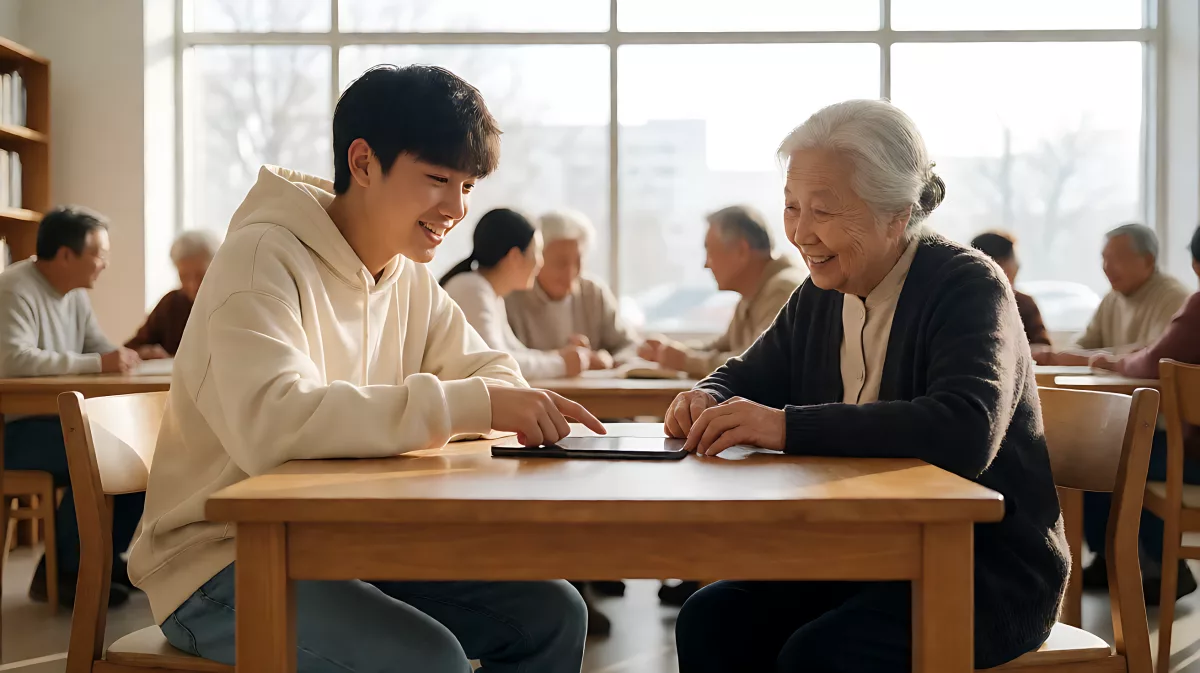
Intergenerational tech tutoring pairs young people with seniors to close the digital gap. This guide explores how these programs build community, boost confidence, and create meaningful connections in 2026.
Intergenerational tech tutoring pairs young people with older adults to bridge the digital divide through practical, one-on-one or small-group lessons. In 2026, these programs are evolving from simple email basics to navigating AI tools, telehealth apps, and online safety. By connecting generations, these initiatives reduce senior isolation, enhance youth communication skills, and foster stronger community bonds in both US and UK neighborhoods.
Why is tech tutoring important for seniors today?
As of 2026, the percentage of adults over 65 who use the internet daily continues to rise, yet many still feel outpaced by rapid changes in software and hardware. The "digital divide" is no longer just about access to devices; it is increasingly about confidence and comfort. Older adults often face barriers when managing online banking, video-calling distant family, or understanding new healthcare portals. Intergenerational programs address this by offering patient, personalized instruction that institutional classes often lack. For younger participants, these roles provide a sense of purpose. Students learn that their digital fluency is a valuable asset, not just a cultural norm.
How do these programs reduce social isolation?
Studies on community engagement suggest that regular, meaningful interactions across age groups significantly combat loneliness. A simple session on how to use a smartphone can lead to deep conversations about life experiences, family history, and current events. This social symbiosis creates a support network that extends beyond the classroom. Seniors often report feeling more connected to their communities, while teenagers gain patience and empathy. The recurring nature of these sessions builds trust, turning a tutoring relationship into a genuine friendship.
What does a successful intergenerational tutoring program look like?
Effective programs are structured around clear goals and consistent scheduling. They are not just about "fixing a computer" but about building digital literacy tailored to individual needs. A common model involves pairing a student with a senior for weekly sessions at a local library, senior center, or school. The curriculum is often flexible, focusing on high-priority tasks such as:
- Communication: Setting up video calls and using messaging apps to stay in touch with family.
- Financial Management: Navigating online banking, spotting scams, and managing digital subscriptions.
- Health and Safety: Using telehealth apps, managing prescription reminders, and understanding cybersecurity basics.
- Hobbies and Leisure: Exploring music streaming, travel planning, and online forums related to personal interests.
How do organizations customize the learning experience?
Top programs start with a needs assessment. Before sessions begin, organizers survey participants to identify specific pain points. This ensures that the time spent together is relevant and engaging. For example, a senior who wants to show photos of their grandkids might need help with cloud storage and photo apps, while another might focus on avoiding phishing emails. Student-created handouts with large print and visual aids are a staple, allowing seniors to reference steps at home. This personalized approach leads to higher retention rates and greater confidence in using technology independently.
Who is leading the way in 2026?
Several notable organizations have scaled their intergenerational tech initiatives to meet growing demand. The AARP Foundation in the United States continues to expand its volunteer matching services, connecting seniors with local youth mentors. In New Mexico, the Teeniors program has become a model for teen-led tech support, pairing middle and high schoolers with seniors in the Silver State. Internationally, similar models are gaining traction in the UK, where libraries are partnering with schools to offer "digital buddy" schemes. These programs often involve local government support or partnerships with technology companies to provide necessary equipment and training.
What role do online platforms play in these programs?
While face-to-face interaction is the gold standard for building trust, hybrid models are increasingly common. Platforms like Learn To Be, which focuses on academic tutoring, have demonstrated the effectiveness of consistent, one-on-one mentorship. While their primary focus is academic, the framework of pairing experienced older mentors with younger learners can be adapted for tech skills. Conversely, some tech-specific programs use video conferencing to connect students and seniors who live in rural areas with limited local resources. This flexibility allows the program to reach a wider audience, particularly those who may have mobility issues or live in underserved regions.
What are the key benefits for students and seniors?
The benefits of intergenerational tech tutoring are reciprocal and profound. For students, the primary takeaway is the development of soft skills. Teaching technology to someone who may have never used a smartphone requires exceptional patience, clear communication, and empathy. Students learn to break down complex concepts into simple, understandable steps. This skill set is invaluable in any career, from software development to customer service.
How does this impact senior well-being?
For seniors, the impact extends far beyond technical knowledge. Gaining digital confidence often leads to increased civic engagement, as they can more easily access government services, vote, and participate in online community discussions. There is also a mental health benefit; mastering new tools stimulates cognitive function and provides a sense of achievement. Many participants report feeling less "behind the times" and more integrated into modern society. The social bond formed with their young tutor helps alleviate the feeling of being out of touch, replacing anxiety with curiosity.
How can communities start their own program?
Launching a local intergenerational tech tutoring program requires careful planning and community partnership. Schools can integrate these sessions into service-learning curricula, while senior centers can offer the space and participant recruitment. Key steps include:
- Needs Assessment: Survey local seniors to understand their biggest technological challenges.
- Recruitment: Partner with local schools to recruit volunteer students. Provide them with basic training in patience and clear instruction.
- Logistics: Establish a consistent schedule and venue. Consider transportation needs for seniors.
- Support: Ensure students have access to mentors or coaches who can help if they encounter difficult technical issues.
- Celebration: Regularly acknowledge milestones, such as a senior’s first successful video call or their first online bank transfer.
What are the common challenges to overcome?
The main obstacles are often logistical rather than technical. Coordinating schedules between school hours and senior center availability can be tricky. There is also the issue of technology access; not all seniors have their own devices, and not all students have reliable internet for remote support. Solutions include providing loaner devices, partnering with local businesses for donations, and hosting sessions in locations with free Wi-Fi. Additionally, training students in "tech empathy" is crucial. They must learn to avoid jargon and be sensitive to frustration, recognizing that for many seniors, technology is an intimidating foreign language.
FAQ
Do students need to be certified teachers to tutor seniors in tech?
No formal teaching certification is required. However, students should undergo a short orientation focused on patience, communication, and specific technical topics. The goal is to build rapport and confidence, not to grade or test. The most successful student tutors are those who are approachable and willing to listen to the senior's specific goals.
Can these programs be done entirely online?
Yes, hybrid or fully online models are effective, especially for remote areas. Video conferencing allows for real-time screen sharing, which is essential for troubleshooting. However, in-person sessions generally lead to stronger relational bonds and easier troubleshooting of physical device issues. Many communities are adopting a mixed model to maximize reach.
What is the biggest digital skill seniors want to learn in 2026?
According to recent community surveys, online safety and fraud prevention remain the top priority. With the rise of sophisticated scams, seniors are eager to learn how to spot phishing emails, secure their accounts with multi-factor authentication, and navigate the internet with confidence. Following this are skills related to video communication and managing digital health records.
How long does it take to see results in a senior’s confidence?
Significant improvements in confidence and basic competency are often seen within four to six weeks of consistent, weekly sessions. The "aha" moment frequently occurs when a participant successfully completes a task independently, such as emailing a photo to a relative or booking an appointment online. This immediate success reinforces the value of the tutoring relationship.