Hydration Habits: Tracking Fluid Intake for Senior Mobility
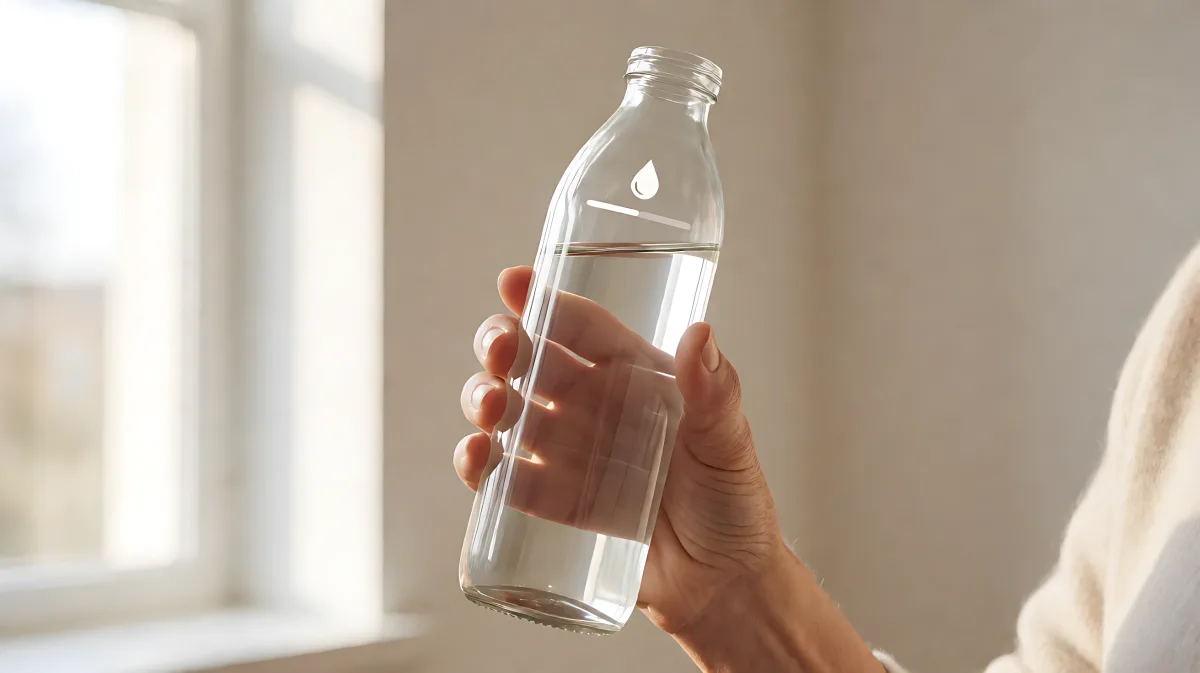
Simple hydration habits can significantly improve mobility and prevent infections. Learn how to track your fluid intake effectively using modern tools and evidence-based strategies.
Tracking fluid intake is a simple, low-effort habit that significantly supports mobility and reduces infection risks. By monitoring small sips throughout the day, you can maintain optimal hydration levels, which directly impacts muscle function and kidney health. This approach helps prevent common issues like urinary tract infections while keeping your body functioning smoothly for daily movement.
Why Tracking Water Intake Matters for Mobility
For many adults, especially those over fifty, the thirst signal becomes less reliable. As body composition changes with age, the sensation of thirst can lag behind actual hydration needs. When fluid levels drop, muscles become less effective, and joint lubrication may suffer, making physical movement feel stiffer or more painful. By actively tracking intake, you bypass the unreliable internal alarm and ensure consistent fluid delivery to tissues that support movement.
Research published in the British Journal of General Practice highlights that increasing fluid intake can significantly reduce the recurrence of urinary tract infections. The study found that higher fluid volumes helped flush out bacteria, reducing the need for antibiotics. For individuals who value mobility, staying infection-free is crucial; recurring infections can lead to fatigue and reduced physical activity, creating a cycle that further limits movement.
How Much Water Do You Actually Need?
General guidelines often suggest eight glasses of water a day, but individual needs vary based on activity level, climate, and health status. A practical approach is to start with a baseline of two liters per day and adjust based on urine color, which should be pale yellow. For those using wearable technology, devices like Garmin watches offer hydration widgets that allow you to log every serving you drink. These tools typically define a standard serving as one cup, or roughly 250 milliliters, making it easy to visualize progress over a seven-day period.
According to data from the Institute for Evidence-Based Healthcare at Bond University, specific volumes matter. In one trial, participants who increased their water intake by 1.5 liters daily showed a marked reduction in infection risks compared to those who did not change their habits. This suggests that small, consistent additions to your daily intake can yield meaningful health benefits.
Building a Sustainable Hydration Routine
Consistency is key when building a new habit. Instead of trying to drink large amounts at once, focus on frequent, smaller sips. This method is often referred to as the "micro-habit" approach. It prevents bloating and ensures steady absorption. You can anchor this habit to existing routines, such as drinking water when you check your phone or right before each meal.
Environmental factors also play a role. In colder months, thirst is suppressed, and respiratory water loss can double compared to summer months. This hidden loss means you may need to drink more in winter than you think. Similarly, hot weather causes the body to sweat more, but it also triggers adaptations that change electrolyte needs. While plain water is sufficient for most daily activities, extreme heat or intense exercise may require electrolyte-balanced fluids to prevent imbalances.
Using Technology to Remind and Track
Smartphones and wearables have made tracking effortless. Many apps now sync with health platforms to provide weekly insights into your hydration patterns. These tools don't just log data; they can send gentle nudges when you've gone too long without drinking. For seniors or caregivers managing health for others, these digital cues are invaluable. They help counter the tendency to forget drinking water during busy or distracting moments of the day.
It is important to note that while tracking is helpful, it is not a substitute for medical advice. If you experience persistent symptoms of dehydration or infection, consult a healthcare provider. However, for the majority of healthy individuals, a consistent tracking routine is a powerful tool for maintaining physical capability.
Addressing Common Misconceptions
One prevalent myth is that you can drink too much water. While hyponatremia is a risk for athletes in extreme conditions, it is rare for the general population following standard hydration guidelines. Another myth is that dehydration causes all headaches. Clinical trials suggest that while hydration improves quality of life, it does not necessarily eliminate headache frequency in those without underlying issues. Focusing on steady, moderate intake rather than binge drinking is the safest strategy.
For individuals on specific medications like diuretics, fluid management requires closer attention. These drugs increase fluid loss, meaning your daily requirement is likely higher than standard recommendations. Tracking your intake helps you and your doctor monitor whether your current levels are adequate to prevent electrolyte disturbances.
Practical Steps to Start Today
- Set a Baseline: Calculate your daily fluid needs and set a realistic target, such as two liters plus any losses from exercise.
- Use Visual Cues: Keep a marked bottle or use a wearable device with a hydration widget to log every cup you drink.
- Anchor to Habits: Link drinking water to existing tasks, like brushing your teeth or checking emails.
- Monitor Output: Check the color of your urine regularly; pale yellow indicates good hydration, while dark amber suggests you need to drink more.
By integrating these small actions into your daily life, you create a sustainable framework for better health. The focus is not on perfection but on consistency. Each small sip contributes to overall fluid balance, supporting your mobility and reducing the risk of common infections.
FAQ
How often should I check my hydration levels?
You should monitor your intake daily using a tracker or app. Weekly reviews of your data can help identify trends, such as consistently missing goals on busy days. Pay attention to urine color as an immediate daily indicator; it is one of the most reliable non-invasive signs of your current hydration status.
Does drinking more water really prevent infections?
Yes, studies indicate that increasing fluid intake can reduce the recurrence of urinary tract infections by helping flush bacteria from the urinary tract. A systematic review found that significant reductions in infection rates were observed in groups that increased their water consumption, suggesting that hydration is a viable preventive measure.
Is it safe to drink water throughout the night?
While occasional night-time drinking is not harmful, excessive intake can disrupt sleep and lead to frequent bathroom trips, which may affect rest quality. It is better to front-load your fluid intake in the morning and afternoon to maintain hydration without compromising sleep patterns.
What if I don't enjoy the taste of plain water?
You can enhance the flavor naturally by adding slices of lemon, cucumber, or fresh herbs like mint. These additions improve palatability without adding sugar or artificial additives. Many people find that flavoring their water makes it easier to stick to their daily hydration goals.