How Home Lighting Prevents Falls in Older Adults
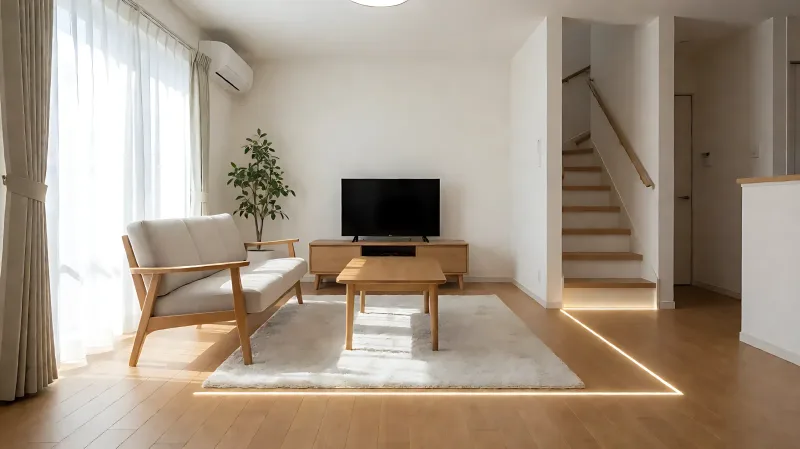
Age-related vision changes increase fall risks. Learn how targeted lighting strategies improve depth perception, contrast, and safety in the home.
Proper home lighting significantly reduces fall risks for older adults by enhancing depth perception and surface contrast. According to the CDC, one in four Americans aged 65 and older falls each year. Age-related vision changes, such as reduced pupil size and clouded lenses, make environments darker and less distinct. By increasing ambient light and minimizing glare, seniors can better judge distances and detect hazards, thereby maintaining independence and safety within their living spaces.
For more information, see NIA healthy aging resources from the National Institute on Aging.
How Does Poor Vision Affect Balance in Older Adults?
Balance relies on the coordinated function of the vestibular system, proprioception, and vision. When visual acuity declines, the brain receives incomplete spatial data. This makes it difficult to detect changes in floor height or see obstacles in dim light. The National Eye Institute notes that age-related conditions like cataracts and glaucoma further compound these risks by reducing peripheral vision and contrast sensitivity.
Which Eye Conditions Increase Fall Risk?
Several specific medical conditions contribute to a higher likelihood of falls. Caregivers and seniors should be aware of the following:
- Cataracts: Affecting approximately 72 percent of seniors, this clouding of the lens increases glare sensitivity and difficulty seeing in low light.
- Glaucoma: Often called the second leading cause of blindness in the United States, it damages the optic nerve and narrows the field of view.
- Age-Related Macular Degeneration (AMD): This condition impairs central vision, making it hard to see details directly ahead or recognize hazards.
- Diabetic Retinopathy: Damage to retinal blood vessels can cause spotty vision and reduced color perception, affecting the ability to distinguish surfaces.
What Lighting Features Improve Depth Perception?
Enhancing visual clarity requires more than just brighter bulbs. The goal is to create uniform illumination that helps the eye adjust to different light levels without strain. Key strategies include eliminating shadows and using high-CRI bulbs that render colors accurately.
How Should You Set Up Hallway Lighting?
Hallways are transition zones where eye adaptation issues are most common. Install wall-mounted fixtures every 6 to 8 feet to prevent dark spots. Use motion-sensor lights that activate automatically to provide immediate visibility. Ensure that handrails are clearly visible by using contrasting colors or indirect lighting that highlights edges without causing glare.
What Is the Best Lighting for Stairs?
Stairs pose a significant fall risk due to depth perception challenges. Add stair nosing with built-in illumination or use high-visibility tape to mark the edges of each step. Install motion-activated step lights along the walls to ensure each tier is lit as the user approaches. This continuous illumination helps prevent misjudging step height.
Which Rooms Require Specific Lighting Adjustments?
Different areas of the home present unique hazards that require targeted lighting solutions. A general checkup by a qualified eye care professional is recommended to identify specific visual deficits before making these adjustments.
How Can Bathroom Lighting Prevent Slips?
Slips on wet surfaces are a leading cause of injury. Use moisture-resistant LED ceiling lights for general illumination and install sconces near mirrors for task lighting. Add motion-activated nightlights near the toilet and shower to ensure the path is visible during nighttime visits. Backlit mirrors can reduce glare while grooming, improving safety and comfort.
What Is the Best Lighting for Kitchens?
The kitchen contains sharp objects and hot appliances, making it a high-risk area. Install under-cabinet LED strips to eliminate shadows on countertops and cabinets. Use high-output LED ceiling lights with even distribution to prevent glare and ensure that food preparation and cooking tasks are well-lit. Ensure light switches are easily reachable from the entrance.
What Are the Best Bulb Specifications for Seniors?
The type of bulb used significantly impacts visual comfort and hazard detection. Choose bulbs with a high Color Rendering Index (CRI) of 80 or higher to ensure accurate color perception. This is particularly important for distinguishing between similar surface colors.
Which Bulb Types Offer the Best Visibility?
LED bulbs are recommended for their longevity, low heat output, and consistent brightness. For general room lighting, select bulbs rated at least 800 lumens. Use warm white bulbs (2700K to 3000K) for living spaces to create a comfortable environment, and neutral white bulbs (3500K to 4100K) for kitchens and bathrooms where clarity is essential. Dimmable LEDs allow for easy adjustment of light levels to match time of day and activity.
How Can Technology Assist in Safe Aging?
Beyond lighting, technological aids can further reduce fall risks. Smart lighting systems can be controlled by voice or motion, reducing the need to find switches in the dark. Wearable devices with fall detection can alert emergency contacts if a fall occurs. Apps like Be My Eyes provide real-time assistance to those with low vision, helping to identify objects and navigate spaces safely.
What Should Caregivers Do to Support Vision Health?
Regular eye exams are critical for early detection of vision problems. Caregivers should observe for signs of hesitation on stairs, frequent gripping of walls, or complaints about glare. Supporting a senior's emotional well-being is also important, as vision loss can cause isolation and fear. Collaborate with healthcare providers to manage chronic conditions like diabetes and hypertension that can impact eye health.
Frequently Asked Questions
How often should seniors have their vision checked?
It is recommended that older adults have a comprehensive eye exam annually. Those with diagnosed conditions such as glaucoma or diabetic retinopathy may need exams every six months, as directed by their eye care provider.
What is the ideal light level for a senior's bedroom?
Bedroom lighting should be bright enough to see clearly but not so bright that it disrupts sleep. Use warm white bulbs (2700K) with dimmers. Install floor-level LED strips or motion-sensor nightlights to illuminate the path to the door without requiring high-intensity overhead lights.
Can anti-glare glasses help with falls?
Yes. Anti-glare coatings can reduce the glare that causes eye strain and temporarily blurs vision. However, single-vision glasses are often preferred over multifocal lenses for walking, as the latter can distort depth perception when looking down at the ground.
What is the role of contrast in fall prevention?
High contrast between objects and their backgrounds helps the eye distinguish hazards. Using light-colored floor mats on dark floors or dark tape on light stair edges improves visibility and reduces the risk of tripping or misjudging surface levels.
Is it safe to use smart home lighting systems for fall prevention?
Yes. Smart systems allow for the automation of lighting, ensuring that pathways are lit when a person enters a room. This reduces the physical effort required to find switches in the dark and provides consistent, adjustable light levels that accommodate various visual needs.