BTE vs ITE Hearing Aids: Cost, Style & Fit Guide
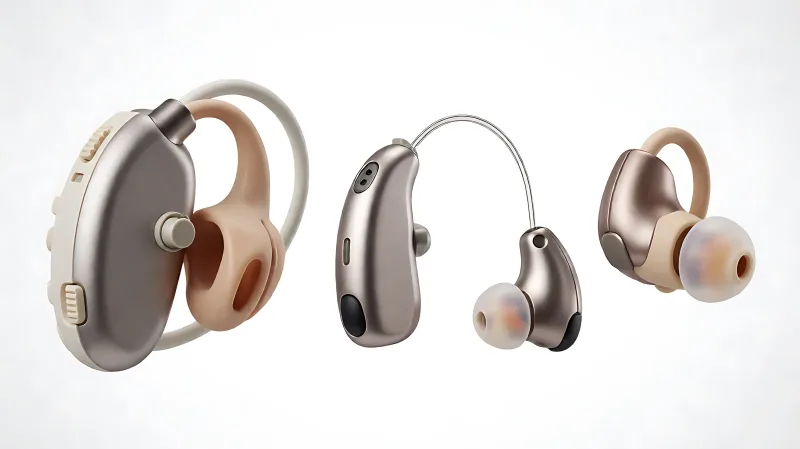
Navigating hearing aid options can be overwhelming. This guide breaks down the differences between behind-the-ear and in-ear styles, helping you match the right device to your hearing loss and daily life.
Choosing between BTE, RIC, and custom in-ear styles like ITE or ITC depends on your hearing loss severity, manual dexterity, and budget. BTE models suit severe loss and offer easy handling, while RIC and ITC options provide discretion for mild to moderate loss. Prices range from $1,000 to $8,000 per pair, with higher tiers adding rechargeable batteries and Bluetooth streaming.
For more information, see NIA hearing loss resources from the National Institute on Aging.
What are the main differences between hearing aid styles?
Hearing aids generally fall into two categories: behind-the-ear (BTE) and custom in-ear styles. The classification depends on where the device sits and how it amplifies sound. BTE devices rest on the outer ear and use a tube or thin wire to deliver sound. Custom styles are molded to the specific shape of your ear canal, offering varying levels of visibility and control size. Understanding these distinctions helps you narrow down options before consulting an audiologist.
Which hearing aid style is best for severe hearing loss?
For moderate to profound hearing loss, Behind-The-Ear (BTE) hearing aids are often the recommended choice. These devices house larger components that provide more powerful amplification. According to data from the National Institute on Deafness and Other Communication Disorders (NIDCD), BTE styles are particularly effective for users who need maximum gain. They also feature larger batteries and controls, which can be advantageous for individuals with limited manual dexterity or vision. The robust build makes them durable and easy to manipulate.
How do RIC hearing aids differ from traditional BTE models?
Receiver-In-Canal (RIC) aids are a modern variant of the BTE style. Instead of a thick tube, they use a thin wire to connect a processor behind the ear to a tiny speaker placed directly in the ear canal. This design offers several advantages. It reduces the whistling sound known as feedback and provides a more natural sound quality. RIC models are generally more discreet than traditional BTEs while still offering the handling benefits of a behind-the-ear device. They are suitable for mild to severe hearing loss and are the most popular style in the current market due to their balance of performance and aesthetics.
Are custom in-ear styles like ITE and ITC right for active lifestyles?
Custom in-ear styles, including In-The-Ear (ITE) and In-The-Canal (ITC), are molded to fit the specific contours of your outer ear. ITE devices fill the bowl of the ear, making them larger and easier to handle. ITC devices sit deeper in the canal, offering a middle ground in size and visibility. These styles are excellent for users with mild to moderate hearing loss who prioritize discretion. For active individuals, the secure fit of a custom mold is beneficial, keeping the device in place during movement. However, they typically have smaller batteries and buttons compared to BTE models, which requires fine motor skills to operate unless rechargeable versions are chosen.
What is the cost difference between hearing aid tiers?
Cost varies significantly by technology level and style. Basic models can start around $1,000 per pair, while premium devices with advanced noise cancellation and connectivity can cost up to $8,000 or more. The Consumer Product Safety Commission (CPSC) notes that hearing aids are considered non-prescription devices in the US, meaning you can purchase them directly from manufacturers, though professional fitting is usually required for optimal performance. Rechargeable batteries add to the initial cost but save on battery expenses over time. Insurance coverage, if any, typically only applies to specific tiers or ages.
| Style | Best For | Visibility | Cost Range (Per Pair) |
|---|---|---|---|
| BTE | Severe loss, dexterity challenges | High | $1,500 - $5,000 |
| RIC | Mild to severe loss, discretion | Low | $2,000 - $7,500 |
| ITE/ITC | Mild to moderate loss, secure fit | Low to Moderate | $1,000 - $6,000 |
| IIC (Invisible) | Mild to moderate, maximum discretion | Very Low | $3,000 - $8,500 |
Does your ear anatomy determine which style you can use?
Yes, physical anatomy is a critical factor. Custom in-ear styles, particularly Invisible-In-Canal (IIC) devices, require a sufficient depth of the ear canal to fit the hardware and battery. If your ear canal is too small, an IIC may not be a viable option, and a larger ITE or ITC style would be recommended. Debris in the ear canal, such as wax, can also make deep in-canal styles less comfortable or harder to clean. An audiologist will examine your ear structure during the fitting process to ensure the style will fit comfortably and securely.
What features should you look for in a modern hearing aid?
When comparing styles, consider the necessary features that align with your lifestyle. Bluetooth connectivity allows you to stream audio directly from smartphones and televisions to your hearing aids, a feature widely available in premium RIC and BTE models. Rechargeable batteries are now standard in most mid-to-high-end devices, eliminating the need to change small zinc-air batteries daily. Noise reduction features are essential for users in noisy environments like restaurants or open offices. If you spend long hours on calls, look for models with specific voice enhancement technologies.
Are hearing aids covered by health insurance?
Coverage varies by provider. While Medicare Part B in the US typically does not cover hearing aids, many private insurers offer some assistance. In the UK, the NHS provides hearing aids at no cost to eligible users, though they are usually on loan and limited to specific BTE styles. Private options in the UK and US allow for a wider range of styles and advanced features, including IIC and RIC models, which are often not available on government-funded programs.
How long do hearing aid batteries last?
Traditional zinc-air batteries last between six days and three weeks, depending on power usage and style. Rechargeable hearing aids typically provide one day of use on a single charge, with standby time adding several days. The size of the battery correlates with the style; BTE devices often hold larger batteries that last longer than the micro batteries found in IIC styles.
Can I return a hearing aid if it doesn't fit?
Most hearing care professionals offer a trial period, usually between 30 and 60 days. This allows users to test the device in their daily environment. Since custom in-ear molds are made specifically for the user, they cannot be resold, but manufacturers usually honor return policies for defects or fit issues. Check the specific terms of your provider before finalizing the purchase.