Hearing Aid Battery Sizes, Colors, and Care Guide
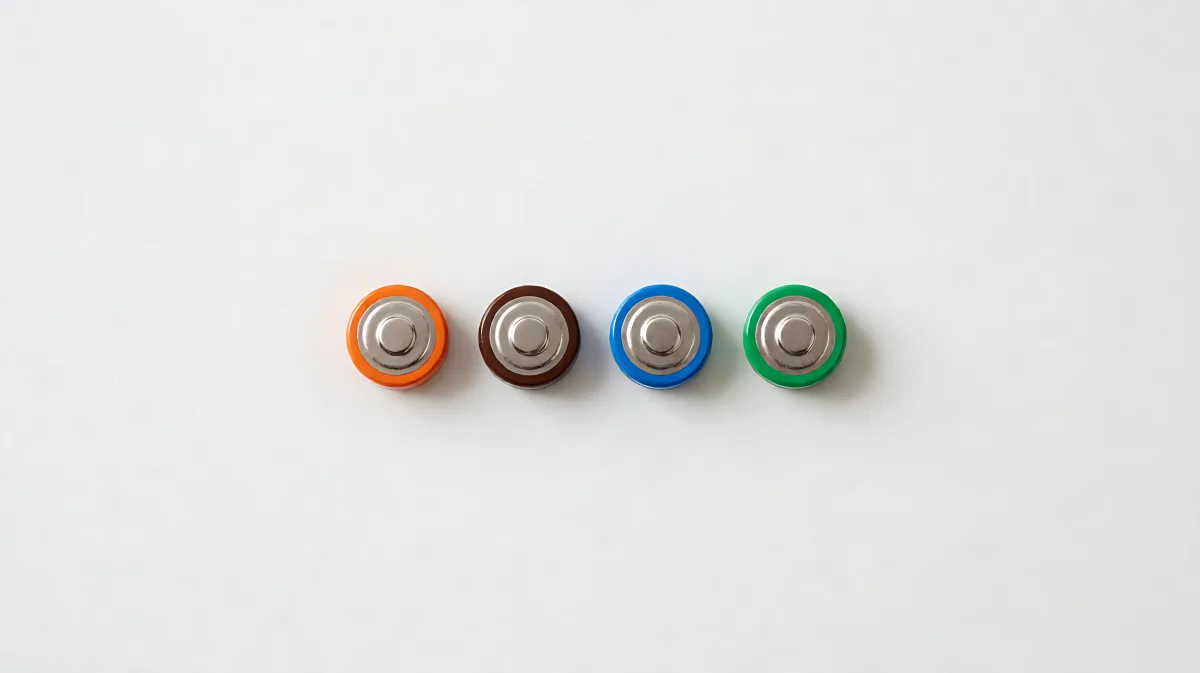
Navigate the world of hearing aid power with this essential guide. We break down the universal color-coding system for battery sizes, explain how long you can expect each one to last, and share expert strategies from manufacturers like Starkey to ensure your device stays powered throughout the day.
Hearing aid batteries come in four standard sizes, each identified by a specific number and universal color code: size 10 (orange), size 312 (brown), size 13 (blue), and size 675 (green). The correct size depends on your device type, with smaller hearing aids like completely-in-canal models typically using size 10 or 312, while larger behind-the-ear units require size 13 or 675. Manufacturers recommend checking your specific model manual, as one size does not fit all.
What are the four standard sizes of hearing aid batteries?
Understanding the sizing system is the first step to maintaining your device. Industry standards, as outlined by major manufacturers like Starkey, classify disposable zinc-air batteries into four distinct categories. Each size corresponds to the physical dimensions of the battery compartment in different hearing aid styles. The color-coding system was developed to help users quickly identify the correct replacement without confusion, especially for those with visual impairments.
| Battery Size | Universal Color | Typical Hearing Aid Usage |
|---|---|---|
| Size 10 | Orange | Mini Receiver-in-Canal (RIC), Completely-in-Canal (CIC), In-the-Canal (IIC) |
| Size 312 | Brown | Mini Behind-the-Ear (BTE), Receiver-in-Canal (RIC), In-the-Canal (ITC) |
| Size 13 | Blue | Behind-the-Ear (BTE), In-the-Ear (ITE) |
| Size 675 | Green | Power Behind-the-Ear (BTE) |
The smallest batteries, such as size 10, are found in discreet, in-ear devices that offer high technology but have limited physical space for power sources. Conversely, size 675 batteries are used in powerful behind-the-ear models that often assist users with more significant hearing loss or require more robust processing power.
How long do hearing aid batteries typically last?
Depending on the specific battery capacity and usage habits, a standard hearing aid battery generally lasts between three and 22 days. Several factors influence this range. The power consumption of your hearing aid is a primary factor; advanced features like streaming directly to mobile phones or continuous noise reduction can drain the battery faster. Additionally, the ambient temperature affects performance, as extreme cold can reduce battery efficiency.
Many users find that they need to change batteries once a week or every two weeks, particularly if they wear their hearing aids for eight to ten hours daily. If you notice that the sound quality becomes distorted or you find yourself turning the volume up more than usual, it is a clear indication that the battery is losing power. Most modern devices also emit a low-battery beep or voice alert to notify you when replacement is imminent.
How should you store hearing aid batteries to maximize life?
Proper storage is crucial because zinc-air batteries begin to discharge immediately once the protective seal is removed. The small, colored tab you see on the back of each battery is not just a label; it is a physical barrier that keeps the battery sealed from the air. Remove this tab only when you are ready to insert the battery into your device. If you remove it in advance, the battery will drain while sitting in the package.
When not wearing your hearing aids, turn them off or open the battery doors to allow moisture to escape. This habit helps prevent corrosion and extends the life of the internal components. If you plan to store your hearing aids for an extended period, such as during a vacation, remove the batteries entirely and place them in a protective case. Always store batteries at normal room temperature; refrigerating them is ineffective and can cause condensation, while extreme heat can damage the chemical composition. When handling new batteries, wash your hands first to avoid transferring grease or dirt to the battery contacts, which can impede performance.
What are the best practices for battery safety and maintenance?
Dead batteries should be removed immediately. A completely discharged battery can swell due to chemical reactions, making it difficult to extract and potentially damaging the battery door mechanism. It is wise to carry a spare set of fresh batteries with you, as power often fails suddenly and without much warning. To prevent your spare batteries from discharging accidentally, keep them away from metal objects like coins, keys, or other loose batteries, as contact can create a short circuit and drain the power supply.
For users who prefer to avoid the hassle of frequent replacements, many modern hearing aids now feature rechargeable battery technology. These devices eliminate the need to handle small, disposable cells, though they require a daily charging routine. Whether you choose disposable or rechargeable options, regular maintenance, including the use of dehumidifiers or drying capsules, ensures your hearing aids remain in optimal condition.
Frequently Asked Questions
What color is a size 13 hearing aid battery?
Size 13 batteries are universally coded blue. They are typically used in standard behind-the-ear and in-the-ear devices that require a moderate amount of power.
Can I use a wrong size battery if the color doesn't match?
No, you should always match the specific size number and color code. Using a battery that is too large may not fit, while a battery that is too small may not make proper contact with the power terminal, leading to malfunction.
Why does my hearing aid beep at the end of the day?
This is a low-battery warning. It indicates that the current battery is nearly depleted and that you should have a fresh one ready to insert to avoid losing functionality at the end of your wear period.
Should I refrigerate hearing aid batteries for better performance?
It is not recommended to refrigerate batteries. While they are sensitive to extreme heat, storing them in a refrigerator can introduce moisture and condensation, which is detrimental to both the battery and the hearing aid's internal electronics.
How many spare batteries should I keep on hand?
Experts suggest keeping at least one extra pack for every device you own. Given that battery failure can occur unexpectedly, having a fresh battery readily available prevents prolonged periods of silence and allows you to test if the issue is battery-related or a technical fault.