Chronic Condition Symptom Tracking Apps for the Elderly
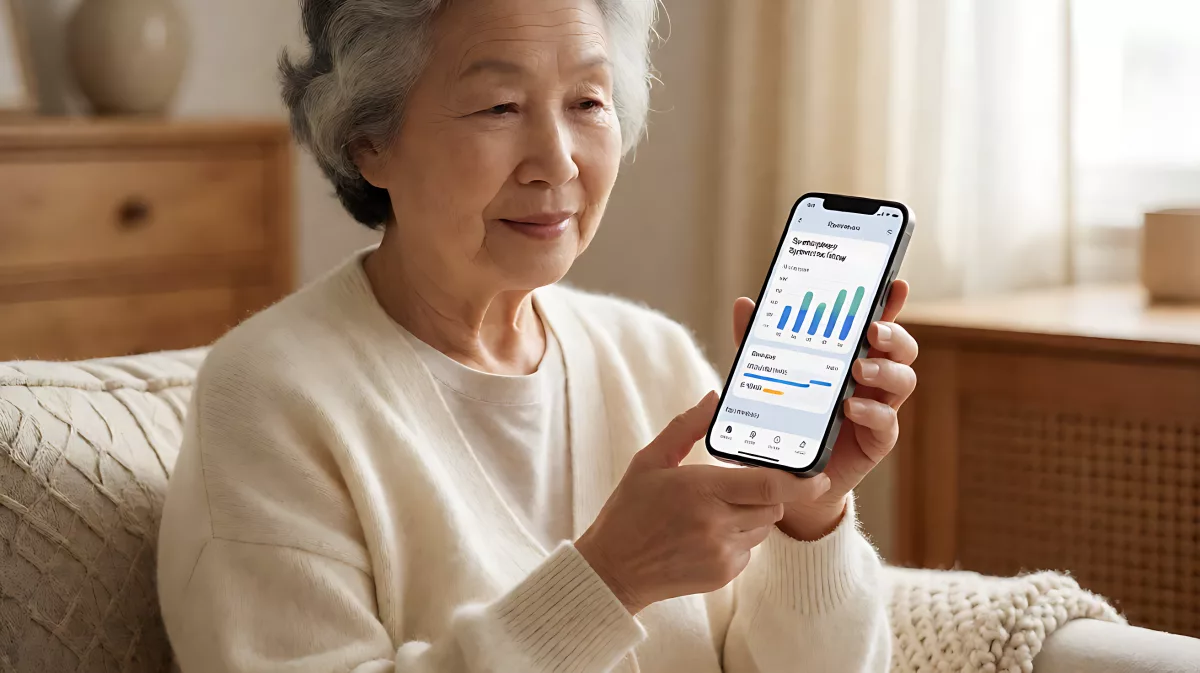
Modern health apps are changing how older adults manage chronic conditions. From one-minute daily check-ins to AI-generated reports for doctors, these tools help bridge the gap between home monitoring and clinical care.
Tracking chronic symptoms at home is becoming easier with mobile apps designed for older adults. In 2026, these tools focus on simplicity, allowing users to log health data in under a minute. Features include AI-generated summaries for doctors and automatic weather logging to identify environmental triggers.
Why do elderly patients need specialized symptom tracking tools?
Chronic conditions such as diabetes, hypertension, and kidney disease require consistent monitoring. Traditional in-person consultations are limited by time and frequency. Digital tools offer a way to capture daily health data that clinicians can review later. For older adults, the key challenge is usability. Many users face physical or cognitive barriers that make complex interfaces difficult. Research published by Dove Medical Press in April 2026 highlighted that e-health literacy significantly impacts app success. Users with lower digital skills prefer simplified navigation and basic education. Those with higher literacy expect efficient data entry and advanced features like insurance information. A one-size-fits-all approach fails; apps must adapt to the user's capability.
What are the common barriers to adopting health apps?
- Interface Complexity: Too many buttons or small fonts frustrate elderly users. The 2026 study by Gao and colleagues found that privacy protection and intuitive design are non-negotiable features.
- Data Overload: Patients often feel overwhelmed by raw numbers. They need clear insights, not just charts.
- Trust Issues: Many older adults are wary of sending health data online. Encrypted storage and clear consent protocols are essential.
How do modern apps simplify daily health logging?
Newer platforms like Iatra use a minimalist approach to reduce user effort. The daily check-in takes about 60 seconds. Users answer one question at a time, often using voice commands. This reduces the cognitive load compared to filling out long forms. The app automatically logs environmental factors like barometric pressure, humidity, and air quality. This passive data collection helps users spot patterns between their symptoms and the weather without manual entry.
Does AI help generate useful medical reports?
Yes. Advanced apps create plain-English summaries of symptom trends for healthcare providers. Instead of bringing a stack of notes, patients hand over a one-page report. This report highlights changes in pain, fatigue, or sleep quality. It also links these changes to potential triggers. For conditions like fibromyalgia or migraines, this context is vital. It helps doctors make faster, more informed decisions during appointments. The technology bridges the gap between what happens at home and what is discussed in the clinic.
What does recent research say about symptom presentation in the elderly?
Understanding atypical symptoms is crucial for accurate tracking. A study from GeroScience examined urinary tract infections in institutionalized older adults. It found that nearly half of these infections did not present with fever. Over 90% did not show typical urinary symptoms. Instead, many patients experienced altered mental status or other miscellaneous signs. This research underscores the need for comprehensive tracking. If an app only records standard symptoms, it may miss subtle changes in conditions like dementia or diabetes. Close monitoring of mood and confusion levels is as important as logging vitals.
How do chronic diseases change symptom patterns?
Patients with diabetes or dementia may not express pain the same way. Their conditions can mask or alter typical infection signs. For example, a high blood sugar level might coincide with a silent infection. Tracking apps must allow for custom symptom entries. Users should be able to log "unusual behavior" or "confusion" as key health metrics. This personalized approach ensures that caregivers and doctors see the full picture. It moves beyond standard vital signs to capture the human element of chronic care.
What features should you look for in a chronic care app?
When choosing a tool for an elderly relative, focus on accessibility and relevance. Look for apps that offer voice input and large, high-contrast text. Ensure the app connects to a healthcare provider's portal. This allows for real-time data sharing. According to healthcare providers like Tata MD, proactive care is key. They emphasize connecting patients with doctors through a single platform. This continuity of care helps in managing long-term conditions effectively.
- Simplified Navigation: Essential for users with lower e-health literacy.
- Environmental Logging: Automatic capture of weather and air quality data.
- AI Summaries: Clear reports for medical appointments.
- Privacy Controls: Transparent data encryption and consent management.
Frequently Asked Questions
Is it safe to use a symptom tracking app for elderly patients?
Yes, provided the app uses strong encryption and clear privacy policies. You must ensure that data is shared only with authorized healthcare providers. Look for apps that comply with health data protection standards and offer granular consent options.
Can these apps replace regular doctor visits?
No, they are designed to supplement care. They provide data between appointments. The AI summaries help doctors prepare for visits, but they do not diagnose or treat. Regular professional consultation remains the standard of care for chronic conditions.
What if the elderly user has low digital literacy?
Choose apps that prioritize simplicity and education. Some platforms offer basic health tips and simplified interfaces. Family members can also set up the initial profile and configure automatic logging. Voice commands are a helpful feature for users who struggle with typing.
How does weather data help in symptom tracking?
Many chronic conditions, such as arthritis or migraines, are sensitive to environmental changes. By automatically logging temperature and pressure, the app can correlate these factors with symptom flares. This helps users identify triggers they might not have noticed otherwise.