Dry Eyes and Screen Time: The Hidden Link
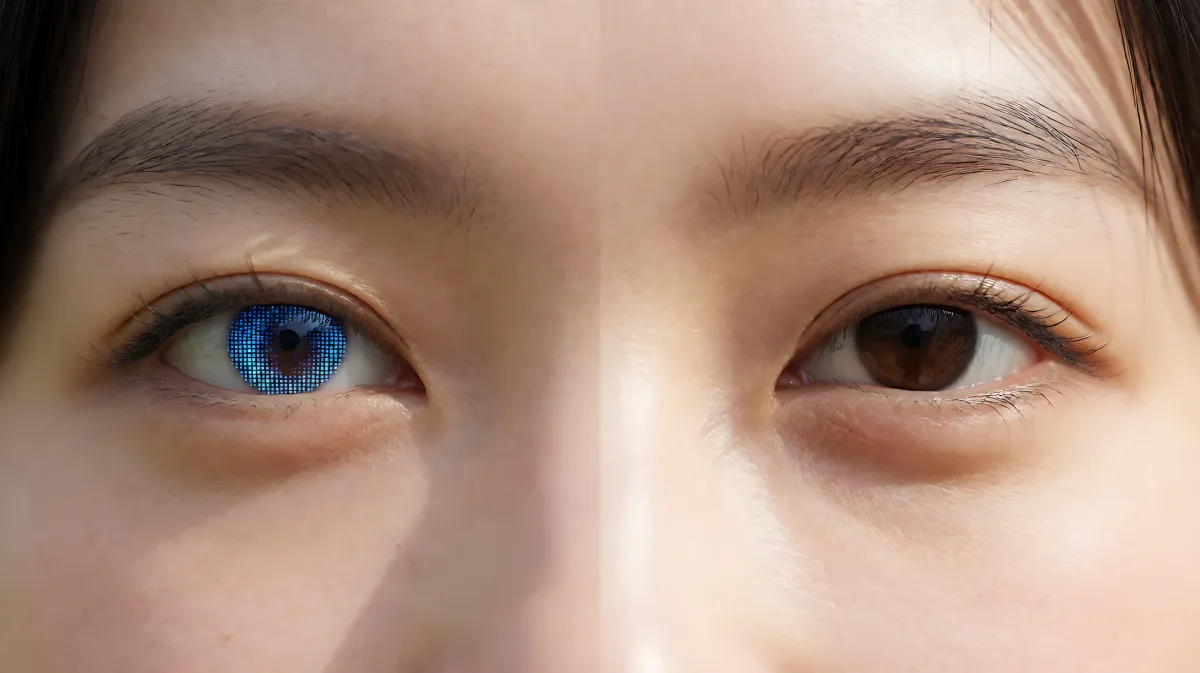
Prolonged screen use significantly increases the risk of dry eye symptoms. A recent study found a strong correlation between daily screen hours and ocular discomfort, highlighting the need for better visual habits.
Yes, there is a strong, statistically significant correlation between daily screen time and the severity of dry eye symptoms. Research indicates that individuals spending more than six hours a day on digital devices are far more likely to experience severe ocular discomfort. As screen usage becomes central to modern work and study, protecting eye health requires intentional changes in visual habits and environment.
The modern visual landscape is dominated by digital interfaces. From smartphones to large desktop monitors, we are constantly engaging with visual display terminals. While convenient, this shift has introduced a widespread condition known as digital eye strain, with dryness as its core component. Understanding the mechanics of how screens affect the ocular surface is the first step toward prevention.
Why Do Screens Cause Dry Eyes?
Your eyes rely on a stable tear film to stay moist and healthy. This film is constantly refreshed every time you blink. Under normal conditions, a person blinks approximately every ten to fifteen seconds. However, when focusing intently on a digital screen, the blink rate drops dramatically. Studies suggest that the blink rate can decrease by more than 50 percent during heavy computer use. Furthermore, many of these remaining blinks are incomplete, failing to fully coat the eye.
This reduction in blinking leads to increased tear evaporation. Without adequate moisture, the ocular surface becomes desiccated, leading to inflammation and irritation. The tear film itself is a complex mixture of water, oil, and mucus. Prolonged screen exposure can disrupt the balance of these components. For instance, some research has indicated that heavy computer users may have lower levels of mucus in their tears, which compromises the film's stability. This creates a vicious cycle where dryness leads to irritation, which in turn can affect tear production quality.
What Does the Latest Research Reveal?
Recent data highlights the growing concern among high-usage populations. A study published in the International Journal of Current Pharmaceutical Review and Research examined 100 undergraduate medical students, a group known for intense academic screen usage. The researchers used the Ocular Surface Disease Index (OSDI), a validated questionnaire, to measure symptom severity.
The findings were stark. The average participant in the study spent nearly seven and a half hours a day on screens. Shockingly, 65 percent of these individuals reported symptomatic dry eye. The study identified a strong positive correlation between the number of screen hours and the severity of symptoms, with a Pearson's correlation coefficient of 0.65. Participants who used screens for more than six hours daily had significantly higher symptom scores than those who used them for six hours or less. Specifically, severe dry eye symptoms were present in over a third of the high screen-time group, compared to less than six percent in the lower usage group.
These results align with broader trends observed globally. It is not just a student or office worker issue; it affects anyone who spends extended periods looking at devices. The implication is clear: the more time you spend staring at a screen, the higher your risk of developing chronic ocular surface issues.
How Can You Protect Your Eyes?
You do not have to eliminate screens from your life to protect your eyes, but you do need to change how you interact with them. Implementing a few simple strategies can significantly reduce the risk of dry eye and digital eye strain.
Follow the 20-20-20 Rule
This is the most effective habit for most people. Every 20 minutes, look at something 20 feet (about 6 meters) away for at least 20 seconds. This simple break relaxes the eye muscles and encourages natural blinking. Setting a timer on your device can help you stay consistent.
Adjust Your Environment and Screen Settings
Lighting plays a crucial role. Position your screen so that it does not glare from windows or bright overhead lights. Lower the brightness of your screen to match the ambient light of your room. If the text is too small, you are likely leaning in, which reduces your blink rate further. Increase the font size on your computer and phone so you can read comfortably from a greater distance.
Stay Hydrated and Use Humidifiers
Dehydration affects tear production. Aim to drink sufficient water throughout the day. In dry climates or during heating seasons, indoor air can become very arid. Using a humidifier adds moisture to the air, slowing the evaporation of tears from your eyes.
Consider Artificial Tears
For many, over-the-counter lubricating eye drops provide immediate relief. These artificial tears supplement your natural tear film, keeping the ocular surface moist during long periods of screen use. Look for preservative-free options if you need to use them frequently.
When Should You See a Doctor?
While most dry eye symptoms are manageable with lifestyle changes, some cases require professional intervention. If your discomfort persists despite using breaks, eye drops, and environmental adjustments, it is time to consult an optometrist or ophthalmologist. They can determine if your dryness is caused by an underlying medical condition, such as meibomian gland dysfunction or an autoimmune disorder, and recommend targeted treatments like warm compresses, eyelid scrubs, or prescription medications.
Frequently Asked Questions
Does blue light from screens cause dry eyes?
Blue light itself is not the primary cause of dry eyes. The dryness is mainly caused by reduced blinking and increased tear evaporation due to focused attention on the screen. However, blue light can contribute to overall eye strain and disrupt sleep patterns, which indirectly affects eye health. The key factor is the behavioral change in blinking, not the light wavelength alone.
How much screen time is too much?
There is no single threshold that applies to everyone, but risks increase significantly with prolonged uninterrupted use. The 20-20-20 rule is recommended regardless of total daily hours. If you spend more than four to five hours a day on screens without breaks, you are in a higher-risk category for developing chronic dry eye symptoms.
Can dry eye disease become permanent?
Dry eye disease can become a chronic condition if left unmanaged, potentially leading to long-term damage to the ocular surface. However, it is highly manageable. With consistent treatment and habit changes, most people can control their symptoms and prevent progression to severe cases. Early intervention is key to maintaining healthy eyes.