Digital Trends 2026: AI Cloud, Marketing, Culture
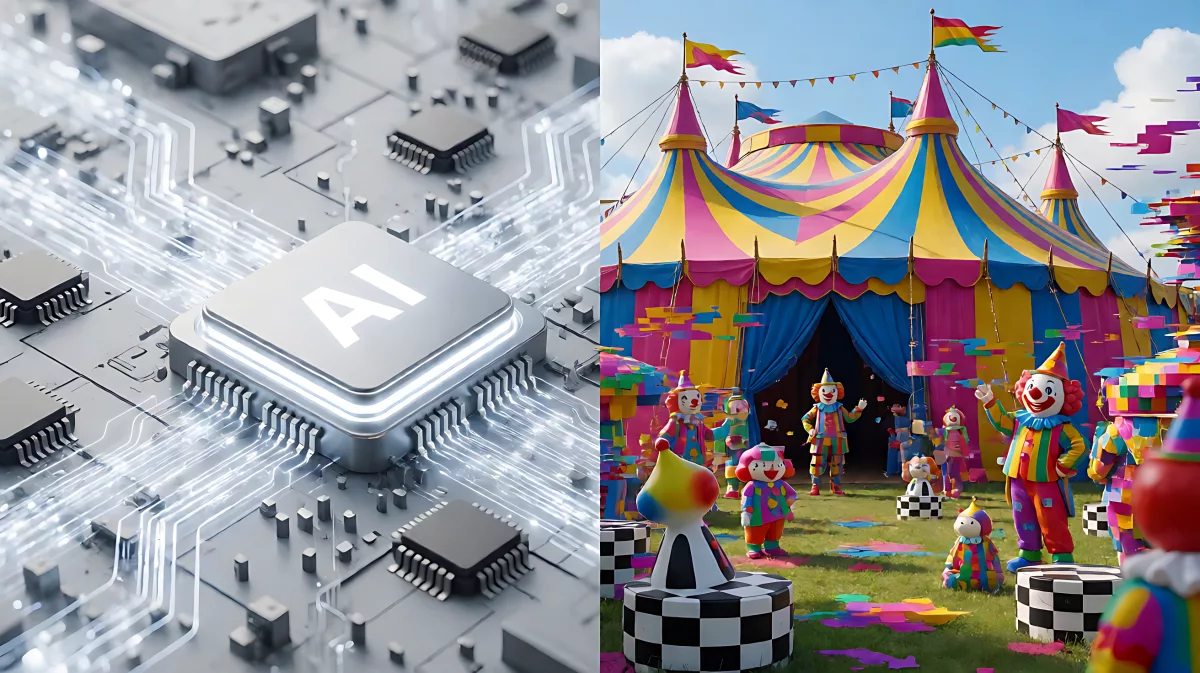
In 2026, the digital realm is defined by AI-native cloud infrastructure, data-driven marketing, and immersive media culture. From enterprise AI platforms to viral web series, digital technology shapes how we work, shop, and play.
In 2026, the digital ecosystem is driven by three distinct forces: AI-native cloud infrastructure, advanced marketing automation, and immersive virtual media culture. Enterprises now rely on platforms that integrate silicon to agent, while brands leverage data-driven strategies to reach fragmented audiences. Simultaneously, indie digital content creates massive cultural phenomena, proving that technology is not just about utility but also about shared narrative experiences.
How AI-Native Clouds Are Reshaping Enterprise Technology?
The concept of the "AI-native cloud" has moved from theory to reality in 2026. DigitalOcean, a major player in this space, launched its Managed Agents service in public preview, offering an integrated platform that governs over 16,000 tools through a single agent runtime. This approach eliminates the complexity of managing multiple vendors by providing a unified stack from infrastructure to data learning. The platform is designed to scale inference without scaling complexity, allowing companies to route every request to the optimal model and pay only for the intelligence they use.
The impact on cost efficiency is measurable. Workato, a prominent automation company, reported that running over one trillion automation tasks on DigitalOcean’s Inference Engine resulted in a 67% lower cost and a 67% higher throughput compared to previous setups. Similarly, RadixArk, the team behind the open-source inference engine SGLang, utilized DigitalOcean to run the 1.6 trillion-parameter DeepSeek V4 Pro model, achieving a 10x increase in serving throughput. These figures highlight a shift in 2026 where "intelligence per dollar" is the key metric for cloud performance. Hippocratic AI also leverages this infrastructure to power more than 20 million patient interactions, reducing end-to-end latency by 40% while doubling throughput, demonstrating how AI-native clouds support critical healthcare applications.
What Defines Modern Digital Marketing Strategies?
Digital marketing has evolved from simple online advertising into a comprehensive component of business strategy that utilizes desktops, mobiles, and digital media platforms. In 2026, the focus is on data-driven marketing, content automation, and influencer engagement. The shift away from physical shops to digital devices has made digital campaigns essential for brand awareness. Methods now include search engine optimization (SEO), search engine marketing (SEM), and social media optimization, all integrated with e-commerce platforms.
The distinction between digital and online marketing has blurred but remains technically significant. Digital marketing extends to non-Internet channels such as television, SMS, and mobile ringtones, whereas online marketing is strictly web-based. This breadth allows brands to create seamless user journeys. For example, a campaign might start with a display ad on a streaming service, follow up with an SMS notification, and conclude with an automated email sequence. The integration of game elements and sponsored content into native advertising ensures that marketing feels like entertainment rather than interruption. In 2026, success is measured not just by clicks, but by the depth of engagement and the accuracy of predictive analytics in forecasting consumer behavior.
How Do Virtual Worlds Drive Cultural Engagement?
Beyond enterprise tech, the digital realm is defined by cultural phenomena that thrive in virtual spaces. The Amazing Digital Circus, a 3D animated comedy-horror web series produced by GLITCH Productions, remains a significant case study in digital culture. The series follows characters who are trapped in a virtual world, exploring themes of identity, sanity, and escape. Its success lies in its ability to visualize the chaos of digital existence, resonating with a generation that lives much of its life online.
The characters, such as the anxious protagonist Pomni and the buggled clown Kaufmo, serve as metaphors for digital dysmorphia and system errors. The series features a rotating cast including a living rag doll named Ragatha, a violet rabbit named Jax, and a chess piece named Kinger. These distinct visual identities make the show highly shareable across social media platforms, which in turn drives the digital marketing strategies discussed earlier. The show’s episodes, including the pilot and The Sugar Rush, have sparked fan communities that generate user-created content, further blurring the lines between production and consumption.
What Tools Are Powering the Digital Workforce?
For professionals, the term "digital" also refers to the specific tools and formats that enable modern work. Digital devices like smartwatches and digital displays are ubiquitous, but their integration into professional workflows is key. In education, digital textbooks have moved beyond being mere PDFs of print books; they now offer interactive features like audio texts and personalized knowledge checks. However, the transition remains challenging, with issues around hardware costs and curriculum adaptation persisting.
In corporate settings, digital leaderboards have become a common, though controversial, tool for gamifying productivity. Companies use these digital dashboards to display employee efficiency, drawing on the mechanics of digital games to drive performance. While some argue this creates pressure, proponents note that it appeals to workers who are already familiar with digital game structures. The use of digital signatures and digital signal processing in telecommunications further secures data integrity, ensuring that as we move more of our lives online, the underlying infrastructure remains robust and secure.
FAQ
What is the difference between digital and online marketing in 2026?
Digital marketing includes any marketing that uses digital technologies, including TV, SMS, and mobile ringtones, whereas online marketing is strictly confined to internet-based channels like email and social media.
How much cost savings can AI-native clouds provide?
Case studies from 2026, such as Workato’s use of DigitalOcean, show that AI-native cloud platforms can reduce inference costs by 67% while simultaneously increasing throughput by the same percentage.
Why is The Amazing Digital Circus culturally significant?
The series is significant because it visualizes the psychological impact of living in digital spaces, using horror-comedy elements to explore themes of control, sanity, and digital identity for a global audience.
What is a Managed Agent in cloud computing?
A Managed Agent is an AI runtime that governs tools and data within a single platform, allowing companies to deploy AI models without managing individual infrastructure components or cross-vendor integrations.
Are digital textbooks fully replacing print books?
While digital textbooks offer interactive benefits like audio and checks, widespread adoption is still limited by hardware costs and the need for specialized curriculum design, though they are increasingly common in universities.