Digital Senior Care Solutions 2026 Guide
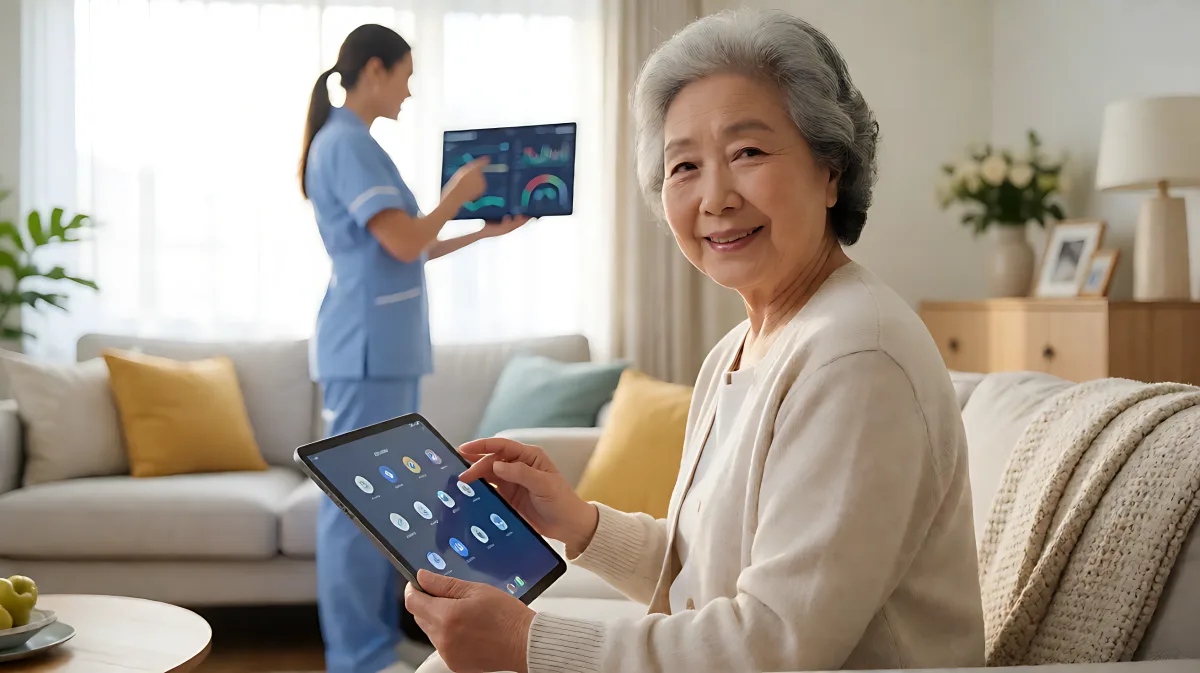
The digital gap in senior care is closing. Explore how connected devices, AI-driven analytics, and user-friendly platforms are making independent living safer and more efficient for older adults in 2026.
Digital transformation in senior care is no longer a future concept; it is a present reality in 2026. By integrating smart devices, telehealth, and automated scheduling systems, providers are overcoming the administrative burdens of paper-based workflows. This shift reduces the digital divide, allowing older adults to maintain independence while families and caregivers gain real-time insight into health status. The result is a safer, more responsive care ecosystem that prioritizes human connection over mere data collection.
Why Digital Tools Matter for Aging Populations
The demographic landscape has changed significantly, with a larger proportion of the population reaching their seventies and eighties. In many regions, staffing shortages in long-term care have forced facilities to look for efficiency. Research published in Health Affairs highlighted that a significant majority of long-term care providers were still relying on outdated workflows as of 2025. This historical context shows how slow the adoption of technology was. However, in 2026, the conversation has shifted from 'should we adopt tech' to 'how can we integrate it better.' The modern approach focuses on seamless integration of digital signals, where data from wearables and home sensors feeds directly into care plans, rather than sitting in isolated databases.
What Are the Core Digital Technologies in Care?
Digital care is not just about replacing paper files. It involves a suite of technologies designed around the specific needs of older adults. The primary components include:
- Remote Monitoring Devices: Wearables that track heart rate, sleep patterns, and falls, sending alerts to caregivers or monitoring centers. These devices use digital signals to interpret continuous analog health data, ensuring high accuracy.
- Telehealth Platforms: Video consultation tools that allow seniors to consult specialists without leaving their homes. This is particularly vital in rural areas where access to healthcare is limited.
- Smart Home Integration: Voice-activated assistants and automated lighting that support daily routines and cognitive stimulation. For example, smart locks and cameras can be managed remotely by family members or care coordinators.
- Automated Scheduling and Billing: Software that handles transportation logistics, medication reminders, and insurance claims. This reduces the administrative load on staff, allowing them to focus on direct patient interaction.
Organizations like Oscar Senior have developed comprehensive ecosystems that combine these elements. Their platforms connect seniors, families, and care providers in a single digital environment, facilitating communication and engagement. Similarly, initiatives in Europe, such as those under the Interreg framework, are using artificial intelligence to improve healthcare for elderly residents in rural communities, demonstrating that digital solutions can be tailored to local needs.
How Does This Address the Digital Divide?
The digital divide refers to the economic and social inequality in access to information and communication technologies. For seniors, this gap is often not about hardware cost, but about user experience. Many traditional medical applications are complex and unintuitive. In 2026, the best digital care solutions are designed with large interfaces, voice control, and minimal input requirements. The goal is to make the technology invisible; it should work in the background, enhancing safety without demanding technical expertise from the user. This approach ensures that even those who have never touched a computer can benefit from advanced digital health tools.
What Are the Benefits for Families and Caregivers?
Family members often worry when their loved ones live independently. Digital platforms alleviate this anxiety by providing visibility. Families can receive notifications if a senior misses a medication dose or if a fall is detected. They can also participate in cognitive activities, such as digital painting or simple games, which help maintain mental acuity. For professional caregivers, these tools reduce burnout. Instead of spending hours on manual data entry and phone tag, staff can rely on automated systems to track patient progress and flag anomalies. This shift from reactive to proactive care improves health outcomes and job satisfaction.
How Do We Ensure Data Privacy and Security?
With the increase in digital data flows, security is paramount. Leading providers in 2026 adhere to strict standards such as GDPR in Europe and HIPAA in the United States. This means that personal health information is encrypted, access is role-based, and users have the right to see and control their data. Platforms like Oscar Senior explicitly state their compliance with these regulations, building trust with users and organizations. Regular security audits and penetration testing are standard practices to prevent breaches and ensure that sensitive health records remain confidential.
What Is the Future of Digital Senior Care?
As we move through 2026, the trend is toward greater personalization and predictive analytics. Artificial intelligence models are becoming more sophisticated at detecting early signs of health deterioration from routine data. For instance, a slight change in sleep patterns or walking speed could predict a stroke or heart issue days before it happens. This predictive capability allows for early intervention, potentially saving lives. Furthermore, the integration of digital care with community services, such as on-demand transportation for seniors, is creating a seamless safety net. The future is not about replacing human caregivers, but about equipping them with the tools to provide better, more informed care.
Is digital care more expensive than traditional care?
While the initial setup of digital infrastructure can require investment, studies in 2026 suggest that long-term costs decrease. Automated billing reduces missed reimbursements, and remote monitoring lowers the frequency of unnecessary hospital visits. For many providers, the return on investment is realized within the first few years through improved efficiency and staff retention.
Can technology replace human interaction in care?
No, technology is designed to enhance, not replace, human contact. By automating administrative tasks and providing health data, digital tools free up time for caregivers to spend on emotional support, companionship, and hands-on care. The digital layer handles the logistics and monitoring, while humans handle the empathy and physical needs.
What are the biggest barriers to adoption?
The primary barriers in 2026 are user trust and digital literacy. Many seniors are hesitant to share data or worry that technology will replace their independence. Overcoming this requires intuitive design, robust customer support, and clear communication about how the data is used. Training programs for both seniors and staff are also critical to ensure successful integration.