Dementia-Friendly Home Design: Reduce Agitation & Wandering
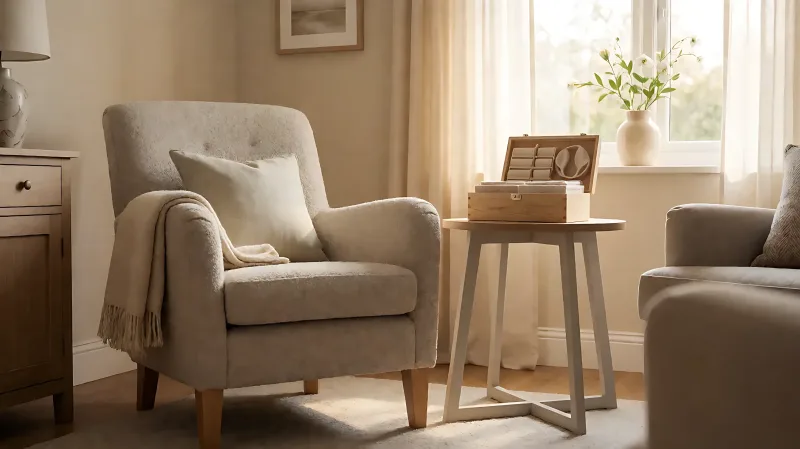
Transform your home into a sanctuary for a loved one with dementia. These sensory adjustments reduce agitation and improve safety through lighting, sound, and tactile changes.
Sensory-friendly home design reduces agitation and wandering in people with dementia by minimizing overstimulation. Simple adjustments to lighting, sound, and textures create a calming environment that supports cognitive function and safety. These changes help lower stress for both residents and caregivers, making daily routines more predictable and peaceful.
For more information, see NIA Alzheimer's information from Alzheimer's Disease Education and Referral Center.
Why Sensory Overload Triggers Agitation
The brain processes sensory information differently in dementia. A ticking clock might sound like a hammer, or a patterned rug might appear to move. This misinterpretation leads to confusion, anxiety, and restlessness. The goal is not to eliminate all stimulation but to create a balanced, predictable environment. By identifying specific triggers, such as bright lights or sudden noises, caregivers can make targeted changes that significantly reduce behavioral incidents.
How Does Lighting Affect Calmness
Lighting is a powerful tool for creating a sensory-friendly space. Harsh or flickering lights increase disorientation. Use warm-toned bulbs, typically between 2700 and 3000 Kelvin, to mimic natural daylight. Install dimmer switches in key rooms to adjust brightness throughout the day. Brighter morning light supports wakefulness, while softer evening light signals rest. Motion-activated nightlights prevent falls during nighttime wandering without startling the resident. Keeping curtains open during the day exposes individuals to natural sunlight, which helps maintain circadian rhythms and reduces sundowning behaviors.
What Sound Strategies Reduce Stress
Unexpected sounds, like a doorbell or barking dog, cause sudden anxiety. Minimize background noise by using soft-close drawers and felt pads under furniture. Introduce consistent, calming sounds such as white noise or gentle nature recordings to mask jarring noises. Music plays a crucial role; familiar songs from the past can evoke positive memories and lower agitation. Create a playlist of slow, instrumental pieces for meals or quiet times. Avoid loud or fast-paced music, which can lead to overstimulation. Use specific songs as cues for routines, such as playing a tune before dinner, to provide comforting anchors in the day.
How Do Textures Provide Comfort
Touch offers deep comfort and grounding. Incorporate tactile elements into the home, such as weighted blankets, fleece throws, and plush pillows. Ensure these items are safe, non-toxic, and free of small choking hazards. Create a sensory basket with various textures, like soft scarves or smooth stones, to occupy restless hands. Rugs should be soft and non-slip to prevent falls. Furniture upholstery should be comfortable and washable. Even utensils matter; padded grips on spoons and cups make eating more secure and less stressful. These tactile adjustments reduce sensory defensiveness and promote relaxation.
How to Improve Safety and Wayfinding
Designing for independence means reducing confusion in navigation. Clear visual cues help compensate for memory loss. Keep paths to the bathroom and kitchen unobstructed. Use high-contrast colors to define doorframes and stair edges, making them visible. Avoid mirrors in areas where someone might wander, as they can cause confusion. The Alzheimer's Association suggests using signage with clear symbols and words to guide movement through the home. Consistent placement of furniture also helps, as moving items creates cognitive dissonance and anxiety. Regular walks with a caregiver can improve communication and prevent risky wandering behaviors.
What Role Does Color Play
Simplify the view to reduce cognitive load. Avoid busy patterns that may look like objects or movement. Use neutral, soft colors on walls to create a peaceful backdrop. Bright, high-contrast colors are reserved for functional areas, like a red bathroom door, to make essential locations easy to find. This visual clarity helps the person with dementia orient themselves quickly, reducing the frustration that often leads to agitation.
What Are Common Myths About Dementia Home Care
Many caregivers think they must remove all personal items to keep a home sterile. This is incorrect. Familiar objects, family photos, and personal keepsakes support long-term memory and provide emotional security. The Alzheimer's Association advises maintaining a regular schedule and using reminders to aid memory. It is also a myth that all people with dementia need 24-hour institutional care immediately. Many can age in place successfully with proper home modifications and support from adult day care or visiting nurses. Always consult with a healthcare provider to tailor the plan to individual needs.
How Do You Start Making Changes
Begin with small, observable adjustments. Note when and where agitation occurs. Is it after dinner or at night? Use this data to guide your design choices. Consult with a health care provider to review eyesight and hearing, as uncorrected issues can worsen sensory processing. Use the MedlinePlus guidelines to ensure you are addressing physical safety risks, such as fall prevention and choking hazards. Engage the person with dementia in the process to respect their preferences and maintain dignity.
FAQ
How long does it take to see results from sensory changes
Results vary by individual. Some residents show reduced agitation within days of introducing calming music or adjusting lighting. For others, it may take weeks to build new routines. Consistency is key; maintain the sensory environment regularly to allow the brain to adapt to the new, predictable cues.
Are weighted blankets safe for everyone with dementia
Weighted blankets are generally safe but should not be too heavy. A good rule is to choose a weight that is 10% of the person's body weight. Always monitor for signs of discomfort or skin pressure. Ensure the blanket is securely attached to the chair or bed if the person is a wanderer, to prevent dragging it across the floor and tripping.
Can music really reduce medication needs
Research indicates that non-pharmacological interventions like music therapy can reduce behavioral symptoms. By lowering anxiety and agitation, the need for sedative medications may decrease. However, medication changes should only be made in consultation with a prescribing doctor. Music is a supportive tool, not a replacement for medical treatment when necessary.
What if the person resists the changes
Resistance is common when routines are altered. Introduce changes gradually. If a new light setting causes distress, revert to the previous setting for a few days before trying again. Explain changes simply and calmly. Involving the person in choosing music playlists or textures can increase acceptance and provide a sense of control over their environment.
How can I manage wandering safely at home
Secure the home by adding alarms to exits and locking doors with high-mounted locks, as people with dementia can open standard locks. Create an indoor activity zone that encourages movement, such as a safe hallway for pacing. Use the Safe Return Program from the Alzheimer's Association to provide identification bracelets. If the person goes outside, having a national support system helps police and community members help return them home quickly.