Dementia-Aware Social Engagement Strategies for Caregivers
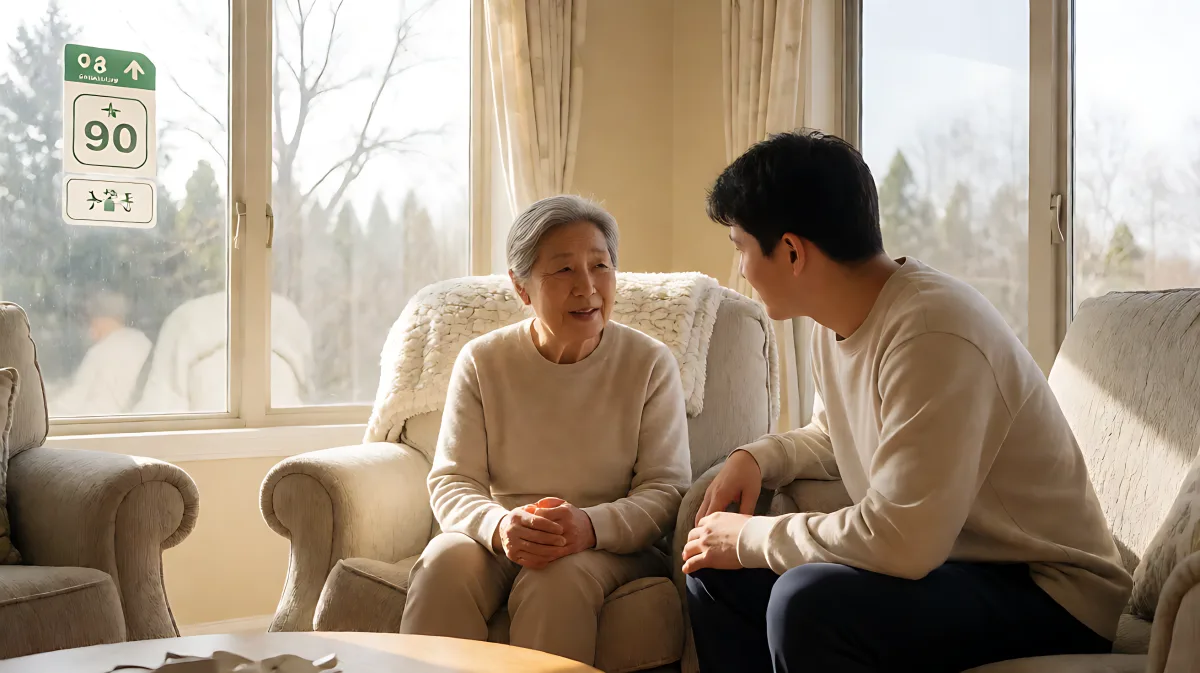
Combat the effects of isolation with targeted dementia-aware strategies. This guide outlines how caregivers and families can foster meaningful connections, optimize home environments, and leverage technology to support cognitive health and emotional well-being in 2026.
Effective social engagement for seniors with dementia requires a shift from passive observation to active, structured interaction. By adapting communication styles, optimizing physical environments, and leveraging technology, caregivers can significantly reduce the risk of rapid cognitive decline and emotional distress. The key lies in person-centered activities that respect the individual's remaining abilities and interests.
Why does social connection matter for cognitive health?
For individuals navigating the complex landscape of memory loss and behavioral changes, social interaction is not merely a leisure activity but a critical component of clinical care. Research indicates that frequent participation in social events is inversely correlated with the risk of developing dementia and the speed of its progression. Isolation can accelerate a vicious cycle where anxiety and withdrawal lead to further cognitive stagnation. Conversely, meaningful connection helps ground the individual in reality, reduces the severity of symptoms like depression and agitation, and supports better physical health outcomes such as improved sleep and eating habits. The World Health Organization has long advocated for communities that reduce loneliness among older adults, highlighting that social isolation is a public health concern comparable to smoking.
How can you adapt the home environment to encourage engagement?
The physical surroundings play a massive role in how a person with dementia perceives safety and social opportunity. A well-designed space can lower anxiety and invite interaction. Instead of cluttered rooms, prioritize open spaces that facilitate easy movement. Natural light is essential; large windows help regulate circadian rhythms, which are often disrupted in this population, leading to improved mood and energy levels during the day. Furniture should be arranged to encourage face-to-face conversation, such as grouping chairs in a cozy nook. Tactile elements like soft blankets and comfortable pillows can provide a sense of security, making the individual feel more at ease when guests arrive. It is also helpful to incorporate sensory stimulation, such as gentle music or aromatherapy, which can be particularly beneficial in the evening to counteract the phenomenon known as sundowning, where confusion increases as the day ends.
What are the most effective communication strategies?
Communication often breaks down as the disease progresses, but connection can be maintained through adjusted techniques. Caregivers should focus on the emotional content of a message rather than its factual accuracy. Using a calm, soft voice and maintaining eye contact helps build trust. It is important to address the person by their name and allow ample time for responses without interrupting. If verbal communication becomes difficult, non-verbal cues, music, or shared activities become primary channels for bonding. Open-ended questions that spark reminiscence can be powerful, but caregivers should be prepared to redirect the conversation if it becomes distressing. The goal is to validate the person's feelings and preserve their dignity, focusing on their strengths and remaining capabilities rather than their limitations.
How can technology and community resources bridge the gap?
In 2026, technology offers vital tools for staying connected, especially for those with limited mobility. Video calls with family and friends can provide a sense of inclusion in family life, while user-friendly digital platforms can offer virtual support groups. It is crucial to select interfaces that are intuitive and provide support for learning to use them. Beyond the home, community resources are expanding. Many local areas now offer "memory cafes" and adult day centers specifically designed to be dementia-friendly. These spaces provide structured social opportunities in a safe environment. Furthermore, communities are investing in age-friendly infrastructure, such as clear signage, accessible transportation, and training for local businesses to interact respectfully with individuals living with cognitive decline. Engaging with these local networks helps counteract the shrinking social circles often seen in advanced stages of the disease.
What role do hobbies and purposeful activities play?
Engagement does not have to be complex to be effective. Tailoring activities to the individual's lifelong interests—such as gardening, art, or music—fosters a sense of purpose. Music therapy, for instance, allows for emotional expression without the need for complex language. Simple daily tasks, like folding laundry or preparing a snack, can be re-framed as opportunities for contribution and socialization. Involving the individual in these routines helps them feel valued and part of the household dynamic. Caregivers should remember that quality of interaction matters more than quantity; short, positive engagements can have a profound impact on an individual's day. Consistency is key, as predictable social interactions reduce anxiety and build a sense of security.
FAQ
How does social isolation specifically impact dementia progression?
Social isolation is associated with an increased risk of cognitive decline, depression, and even premature death. For those with dementia, it can accelerate the progression of the disease by removing the mental stimulation required to keep neural pathways active. It often leads to a decline in self-esteem and a greater sense of disconnection from reality.
What should I do if my loved one refuses social visits?
Refusal of social contact is often a sign of anxiety or overwhelm rather than a lack of desire for company. Caregivers should respect the individual's boundaries while slowly reintroducing interaction through low-pressure activities. Focus on quality, short visits in calm environments, and avoid forcing conversation. If the refusal persists, consult a healthcare provider to rule out other medical causes for the withdrawal.
Are digital tools safe for people with advanced dementia?
Yes, when used appropriately. Simple video calls with familiar faces can provide comfort and connection. However, complex social media platforms may cause confusion or stress. The key is to keep technology user-friendly and supportive, acting as a bridge for face-to-face interaction rather than a replacement for it. Virtual reality experiences are also being explored for reminiscence therapy in specialized care settings.
How can I involve my extended family in social engagement?
Extended family members play a crucial role by providing diverse interactions. Caregivers can assign specific roles, such as one family member leading a music session and another helping with a gardening project. It is essential to educate relatives on communication tips, such as speaking slowly and avoiding correction, to ensure their visits are positive and engaging for the person with dementia.