Balloon Sinuplasty vs. Surgery for Senior Sinus Relief
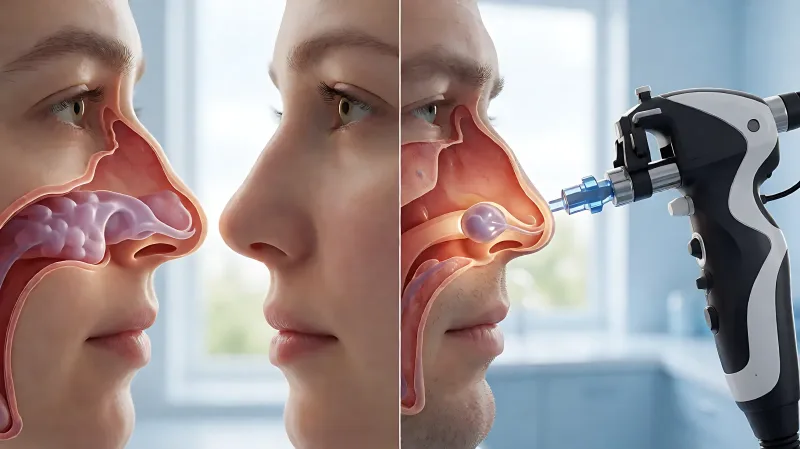
Wondering if balloon sinuplasty is right for you? This guide compares minimally invasive balloon dilation with traditional endoscopic surgery for managing chronic sinusitis and nasal polyps in adults over 65, highlighting recovery times and safety data.
Balloon sinuplasty is a minimally invasive office procedure that dilates blocked sinus openings using a small balloon, offering a gentler alternative to traditional surgery for older adults. Unlike endoscopic sinus surgery, which requires general anesthesia and hospital admission, balloon dilation preserves nasal structures and allows patients to return to daily activities almost immediately. It is particularly effective for chronic sinusitis when medical therapies fail, though it does not remove tissue, making endoscopic surgery the preferred option for large nasal polyps.
For more information, see NIA health information for older adults from the National Institute on Aging.
Is Balloon Sinuplasty Safe for Older Adults?
For many seniors, the prospect of general anesthesia poses significant health risks. Balloon sinuplasty addresses this concern by using only local anesthesia and a topical numbing agent. The procedure is performed in an outpatient clinic setting, eliminating the need for a hospital stay. According to data from the American Academy of Otolaryngology, the procedure is considered low-risk because it does not involve cutting or removing nasal bone or tissue. Instead, the balloon gently widens the narrow openings that drain the sinuses. This preservation of natural anatomy reduces the risk of infection and scarring, which are common complications in older patients with compromised immune systems.
Safety is further supported by the quick recovery time. Most patients experience minimal discomfort and can resume normal routines within 24 hours. The U.S. Food and Drug Administration (FDA) has approved the specific balloon devices used in these procedures, ensuring they meet rigorous safety standards for all age groups. For seniors with multiple chronic conditions, avoiding the metabolic stress of general anesthesia is a major advantage.
What Are the Alternatives to Balloon Dilation?
When balloon sinuplasty is not suitable, endoscopic sinus surgery (ESS) is the primary alternative. This procedure is performed under general anesthesia and involves using a small camera to navigate the nasal passages. While more invasive, ESS allows the surgeon to physically remove tissue, such as nasal polyps, that cause blockages. If a senior patient has large polyps, balloon dilation alone may not provide sufficient relief because it only opens the pathway without removing the mass. In these cases, ESS is often necessary to restore long-term function.
Another alternative is continued medical management. Before considering any procedure, doctors recommend optimizing medical therapy. This includes:
- Nasal Corticosteroid Sprays: These reduce inflammation and can shrink small polyps over time. The National Institute on Deafness and Other Communication Disorders recommends these as a first-line treatment.
- Oral Steroids: Short courses of prednisone can provide rapid relief for severe flare-ups, though long-term use carries risks for bone density and blood sugar control in older adults.
- Saline Irrigation: Regular rinsing with a neti pot or squeeze bottle helps clear mucus and allergens, providing mild relief without medication.
How Does Recovery Compare Between Procedures?
The recovery timeline is a critical factor for seniors who may want to avoid prolonged downtime. Balloon sinuplasty is virtually non-recovery. Patients typically experience mild nasal pressure and some oozing for a few days. There is no packing material placed in the nose, and no swelling is expected on the face. Most seniors are back to their daily activities, including walking and light household tasks, within one to two days.
In contrast, endoscopic sinus surgery requires a more cautious recovery period. Although it is an outpatient procedure, patients often need a week off work and may experience facial swelling and bruising. Dissolvable packing material may be placed inside the nose, which needs to be irrigated with saline several times a day for up to two weeks. The American Geriatrics Society suggests that minimizing hospital exposure and post-operative dependency is crucial for maintaining independence in older adults, making the rapid recovery of balloon sinuplasty highly appealing.
Which Treatment Is Best for Nasal Polyps?
Nasal polyps are non-cancerous growths in the nasal passages that are associated with chronic inflammation. If the polyps are small and the main issue is sinus blockage, balloon sinuplasty might be a viable option to improve drainage. However, if the polyps are large or recurrent, they often require surgical removal. Endoscopic sinus surgery allows the ENT specialist to visualize and excise these growths directly. For seniors with aspirin-exacerbated respiratory disease, a specific syndrome linking asthma, nasal polyps, and aspirin sensitivity, surgery combined with desensitization therapy is often the recommended path, as balloon dilation alone may not address the underlying inflammatory reaction.
FAQ
Does balloon sinuplasty hurt?
The procedure is performed with local anesthesia and topical numbing sprays. Patients may feel a slight pressure sensation as the balloon is inflated, but the process is generally described as comfortable and far less painful than traditional surgery.
How long do the results of balloon sinuplasty last?
While the dilation effect is intended to be long-term, chronic sinusitis is a recurring condition. Some patients may require repeat treatments or ongoing medication management to keep the sinuses open and healthy.
Can I have balloon sinuplasty if I take blood thinners?
Because the procedure does not involve cutting tissue, bleeding risks are minimal. However, many ENT specialists still prefer to have patients pause blood thinners for a few days prior to the appointment. Consult your cardiologist and ENT doctor for personalized advice.
What is the success rate for seniors over 70?
Clinical studies indicate that over 80 percent of patients report significant symptom relief. The success rate remains high in older adults, provided the diagnosis is accurate and the anatomy is suitable for balloon dilation.
Which medical organizations support these treatments?
The American Academy of Otolaryngology-Head and Neck Surgery and the American Rhinology Society provide guidelines that endorse both balloon sinuplasty and endoscopic sinus surgery as safe, effective treatments for chronic rhinosinusitis in adults of all ages.