8 Dimensions of Wellness: Practical Guide to Better Health
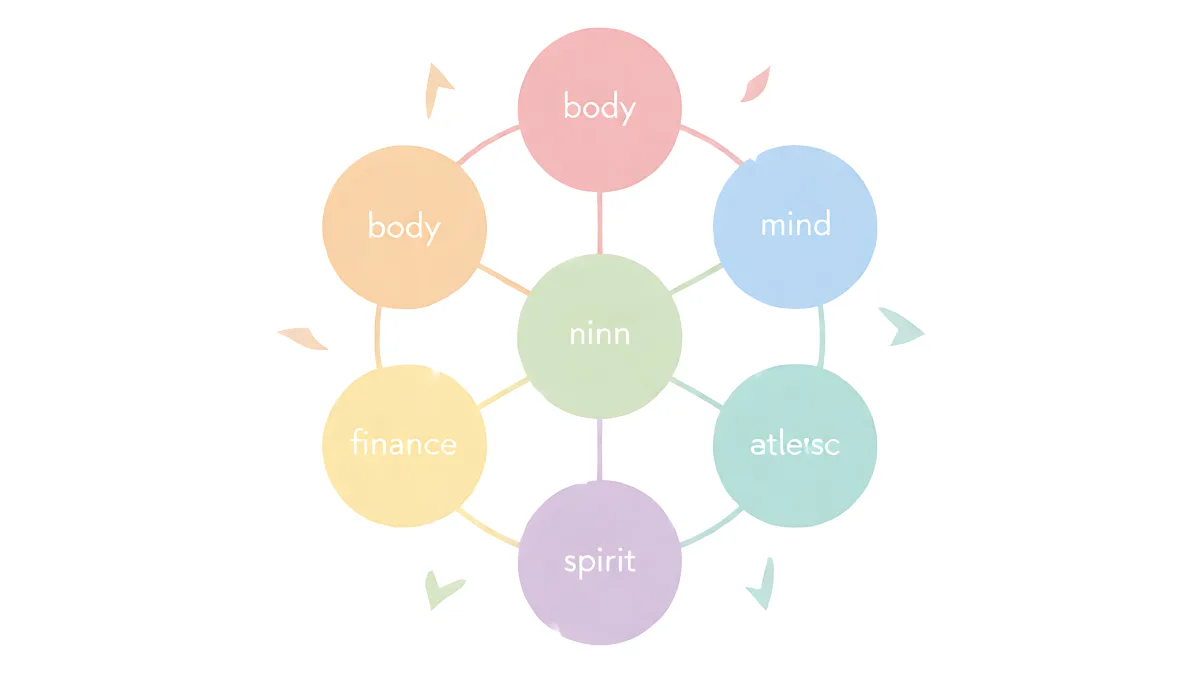
Wellness is more than just being healthy; it is the active process of optimizing your physical, emotional, and spiritual potential. This guide breaks down the eight key dimensions.
Wellness is the active realization of your true potential to live a healthier, happier, and more successful life. It goes beyond the mere absence of disease; it is the intentional optimization of your physical, emotional, and social state to maximize daily quality of life.
What Does Wellness Actually Mean Today?
While the term often gets lost in buzzword soup, the concept has clear roots in public health. In 1948, the World Health Organization defined health as a complete state of physical, mental, and social well-being, not just the absence of infirmity. This shift in perspective laid the groundwork for modern wellness culture. By 1950, Dr. Halbert L. Dunn, then director of the US National Center for Health Statistics, further defined wellness as the degree of integration of an individual’s functioning. Today, wellness is understood as a dynamic balance across multiple dimensions of life rather than a single metric on a fitness tracker.
What Are the 8 Key Dimensions of Wellness?
In the 1970s, Dr. Bill Hettler at the University of Wisconsin developed the original six-factor model. Over time, organizations like the Substance Abuse and Mental Health Services Administration (SAMHSA) expanded this framework to include environmental and financial dimensions, creating the widely accepted eight-dimension model. These dimensions are interrelated; neglecting one often impacts the others.
- Physical: Regular movement, adequate sleep, and nutrition. The Centers for Disease Control and Prevention recommends 150 minutes of moderate aerobic activity per week.
- Emotional: The ability to express feelings and manage stress. Mental health is no longer stigmatized, and seeking professional support is a key component of this dimension.
- Social: Cultivating meaningful connections. The American Psychological Association notes that social support is a primary buffer against life stressors.
- Intellectual: Engaging in creative, learning-oriented activities to keep the mind sharp.
- Occupational: Finding satisfaction and balance in work, ensuring your career aligns with your values.
- Environmental: Recognizing the link between your surroundings and your health, including clean air, water, and safe housing.
- Financial: Managing money in a way that reduces anxiety and provides security. Financial stress is a top-ranked source of worry in the UK and US.
- Spiritual: Connecting to a personal sense of purpose or meaning, which need not be religious.
How Do Workplace Wellness Programs Impact Health?
Corporate wellness has evolved from simple gym subsidies to comprehensive health ecosystems. In the late 2000s, the American Recovery and Reinvestment Act of 2009 helped boost funding for small and medium-sized businesses to develop these programs. In 2026, data suggests that integrated wellness strategies are becoming standard in major tech and healthcare sectors. Companies like Google and Microsoft continue to lead by offering on-site healthcare clinics and mental health days. However, critics point out that poorly designed programs can sometimes feel paternalistic or exclude those with chronic conditions.
Is Wellness Just a Trend or a Science?
The wellness industry is now a multi-billion dollar sector, which can lead to skepticism. It is important to distinguish evidence-based practices from pseudoscience. For example, while "positive thinking" is often touted, it must be balanced with realistic coping mechanisms. The National Institutes of Health emphasizes that holistic approaches should complement, not replace, conventional medical treatment. A balanced approach values data-driven health tracking alongside intuitive self-care.
How Can You Start Improving Your Wellness?
Start with a self-audit. Rate yourself on a scale of 1 to 10 across the eight dimensions. Identify your lowest score. If physical health is low, aim for the WHO’s recommended weekly activity levels. If financial health is low, consult a certified financial planner. Consistency beats intensity; small, sustainable changes yield better long-term results than drastic overhauls that lead to burnout.
Frequently Asked Questions
What is the difference between health and wellness?
Health is often viewed as the state of being, such as the absence of disease. Wellness is the process of making choices and habits that lead to a higher quality of life. You can be healthy (no diagnosis) but not well (stressed, lonely, or unfulfilled).
Do I need to be spiritual to be well?
No. The spiritual dimension refers to a sense of meaning or purpose. This can be derived from nature, art, community service, or family, rather than organized religion.
How does financial stress affect physical health?
Chronic financial anxiety raises cortisol levels, which can increase the risk of heart disease and type 2 diabetes. Studies from the 2020s link long-term debt stress to poor sleep and weakened immune responses.
Is workplace wellness legally required?
Generally, no. While the Patient Protection and Affordable Care Act allows incentives for wellness programs, employers are not mandated to offer them in the US. In the UK, the Health and Safety at Work Act places a duty of care on employers to ensure a safe and healthy environment, which includes mental health considerations.