Winter Blues in Seniors: Light Therapy & Mood Tips
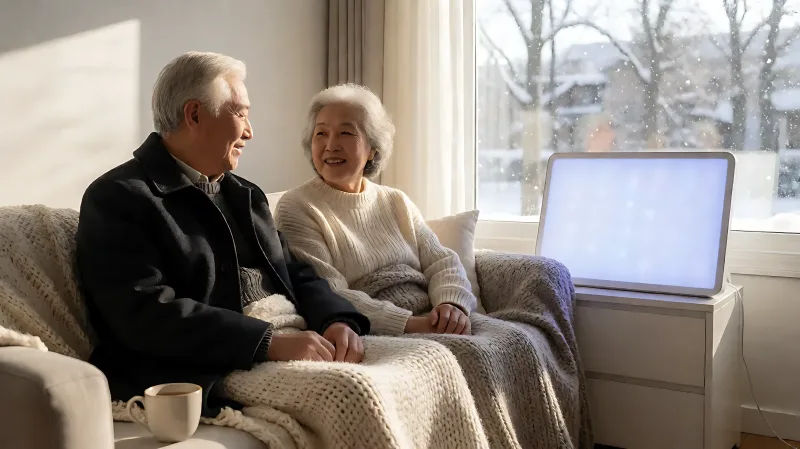
Seasonal affective disorder affects millions of seniors. Learn how light therapy, routine adjustments, and professional support can counteract the winter blues.
Seasonal affective disorder, or winter-pattern SAD, is a recurring type of depression that typically begins in late fall and resolves in spring. For older adults, these symptoms can significantly impact daily function, energy levels, and social engagement. The National Institute of Mental Health (NIMH) notes that light therapy, which involves sitting near a 10,000-lux light box for 30 minutes to two hours daily, is a primary treatment method. This approach helps regulate brain chemicals like serotonin and melatonin, which often fluctuate due to reduced daylight. For seniors, combining light exposure with consistent routines and social connection is key to managing mood changes during the darker months.
For more information, see NIA mental health resources from the National Institute on Aging.
What Is Winter-Pattern Seasonal Affective Disorder?
Winter-pattern SAD is a specific subtype of major depressive disorder that follows a predictable seasonal cycle. Unlike general depression, which can occur at any time, SAD symptoms are tightly linked to changes in daylight hours. The NIMH explains that these symptoms typically last for about four to five months each year. While many people experience mild "winter blues," SAD is a clinical condition that involves more severe emotional and physical disturbances. In older adults, distinguishing between normal age-related mood changes and clinical depression is crucial. Early recognition allows for timely intervention that can prevent a decline in overall quality of life.
How Does SAD Affect Older Adults?
The symptoms of SAD in seniors can be particularly challenging due to existing health conditions or isolation. Common signs include a persistent sad or empty mood, loss of interest in previously enjoyable activities, and fatigue. Winter-specific symptoms often involve hypersomnia, or excessive sleeping, and a strong craving for carbohydrates, which can lead to weight gain. Social withdrawal, often described as a desire to "hibernate," is another hallmark. For a senior living alone, this withdrawal can lead to loneliness, which further exacerbates depressive symptoms. It is important to note that SAD is more common in women than men, and prevalence increases with higher latitudes, meaning seniors in northern states may be at greater risk than those in sunnier regions.
How Does Light Therapy Work?
Light therapy is one of the most effective evidence-based treatments for SAD. The mechanism involves exposing the eyes to bright artificial light that mimics the intensity of outdoor daylight. This light stimulates the retinal ganglion cells, which signal the hypothalamus in the brain to adjust the production of serotonin and melatonin. Serotonin is a neurotransmitter that helps stabilize mood, while melatonin regulates sleep-wake cycles. By correcting these hormonal imbalances, light therapy can alleviate depressive symptoms rapidly.
How Should Seniors Use a Light Box?
For optimal results, the NIMH and clinical experts recommend using a 10,000-lux light box. This intensity is about 10 to 20 times brighter than standard indoor lighting. Seniors should sit about 12 to 16 inches (30 to 40 cm) from the light panel. The recommended session length is typically 20 to 30 minutes each morning, although some patients require up to two hours. It is best to face the panel directly, but staring at the light should be avoided; instead, one can read or listen to music during the session. Consistency is more important than duration, so establishing a daily routine is essential. Many commercial devices are now available, and some health insurance plans may cover the cost of the equipment.
What Are Other Treatment Options?
While light therapy is a first-line treatment for many, it is not the only option. Cognitive Behavioral Therapy (CBT), specifically tailored for SAD, helps individuals identify and change negative thought patterns associated with the winter months. Antidepressant medications, such as selective serotonin reuptake inhibitors (SSRIs), may also be prescribed by a healthcare provider. However, seniors should be cautious with medication due to potential interactions with other drugs and side effects. The National Institute on Aging emphasizes that a holistic approach is often most effective. This includes regular physical activity, which boosts endorphins, and maintaining a balanced diet rich in omega-3 fatty acids and B vitamins.
How Can Seniors Boost Vitamin D Levels?
Research suggests that Vitamin D deficiency may exacerbate SAD symptoms because vitamin D plays a role in serotonin regulation. Since sunlight exposure is limited in winter, seniors should monitor their vitamin D levels through blood tests. Supplementing with Vitamin D, as recommended by a doctor, can help maintain hormonal balance. Additionally, spending time in brightly lit environments during the day and avoiding naps can help regulate the circadian rhythm.
How Can Families Support an Older Adult With SAD?
Family members play a vital role in supporting a senior who is struggling with seasonal depression. Open communication about the condition reduces stigma and encourages the affected individual to seek help. Simple actions, such as scheduling outdoor walks on the sunniest days of the week or preparing warm, comforting meals, can make a difference. It is also important to help seniors maintain social connections. Isolation is a major risk factor for worsening mood. Organizing video calls with friends, visiting family, or participating in senior community groups can provide essential emotional support.
When Should a Doctor Be Contacted?
Seniors should contact a healthcare provider if they experience symptoms of depression that persist for more than two weeks. Specific red flags include thoughts of self-harm, a complete loss of motivation, or significant changes in weight and sleep that interfere with daily life. The 988 Suicide and Crisis Lifeline is available for immediate support. For older adults, a primary care physician can screen for SAD and refer them to a mental health specialist who has experience with geriatric psychiatry. Early intervention is key to preventing the condition from becoming chronic.
What Are the Long-Term Strategies?
Managing SAD is an ongoing process rather than a one-time fix. Seniors may benefit from starting light therapy in late summer or early fall, before symptoms fully manifest. This proactive approach can mitigate the impact of the seasonal shift. Keeping a mood log helps track symptoms and identify triggers, allowing for better management. Regular check-ins with a mental health professional ensure that treatment remains effective. The goal is to build resilience against seasonal changes, ensuring that the winter months are less disruptive to mental and physical well-being.
| Factor | Winter-Pattern SAD Impact | Recommended Action |
|---|---|---|
| Daylight | Reduced exposure lowers serotonin | Daily 10,000-lux light therapy |
| Sleep | Hypersomnia (excessive sleeping) | Consistent wake-up times, morning light |
| Appetite | Carb cravings and weight gain | High-protein meals, fiber-rich foods |
| Social Life | Withdrawal and isolation | Scheduled social activities, virtual support |
FAQ
Is light therapy safe for older adults?
Yes, light therapy is generally safe for older adults. However, individuals with specific eye conditions, such as severe retinopathy, or those taking photosensitive medications should consult an ophthalmologist or physician before starting treatment. Standard 10,000-lux devices are designed to filter out harmful ultraviolet radiation, making them a low-risk option for most seniors.
How long does it take for light therapy to work?
Many people begin to notice improvements in mood within a few days to two weeks of consistent use. The NIMH suggests that effects can be rapid, but ongoing treatment is usually necessary to maintain benefits throughout the winter season. If symptoms do not improve after two to three weeks, a healthcare provider should be consulted to adjust the treatment plan.
Can diet help with winter depression?
Diet can play a supportive role. Reducing high-carbohydrate snacks, which are often craved during SAD, can help stabilize blood sugar and mood. Increasing intake of protein, healthy fats, and Vitamin D-rich foods supports neurological health. While diet alone is not a cure, it complements light therapy and medication by improving overall physical well-being.
Do older adults have a higher risk of SAD?
While SAD typically begins in young adulthood, it can persist into older age. Seniors are not inherently at a higher risk of developing new SAD, but they may experience more severe symptoms due to compounded health issues or social isolation. Prevalence is also higher in older women than men, and those living in northern climates are more susceptible to the reduced daylight exposure.