Spirituality and Faith: Keys to Healthy Aging and Purpose
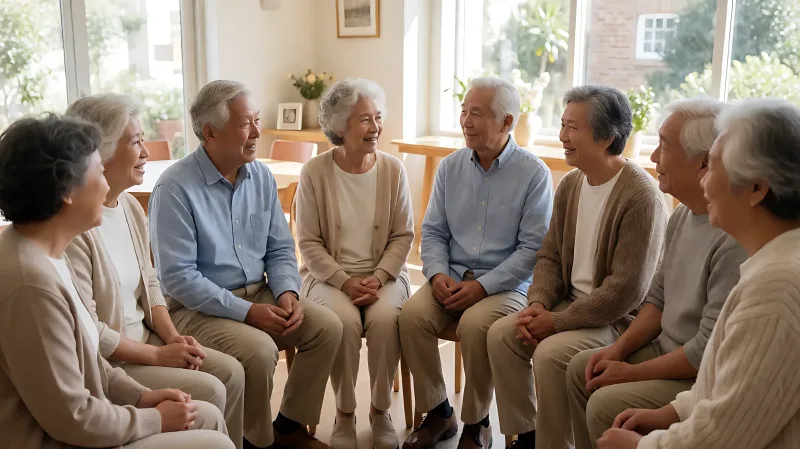
Spiritual practices, religious community, and daily rituals offer older adults powerful tools for coping with change, reducing loneliness, and maintaining a sense of purpose as they age.
For many older adults, spirituality provides a vital anchor for meaning and resilience in later life. Research indicates that regular engagement with faith, ritual, and community helps seniors cope with loss, manage anxiety, and maintain a strong sense of purpose. These practices act as a buffer against loneliness, which the Centers for Disease Control and Prevention links to increased risks for cardiovascular disease and cognitive decline. By integrating spiritual habits into daily routines, older adults can foster deeper social connections and emotional stability, supporting overall mental and physical health as they navigate the transitions of aging.
For more information, see NIA mental health resources from the National Institute on Aging.
How Does Faith Help Older Adults Find Meaning?
Faith often serves as a framework for understanding hardship, allowing individuals to reframe suffering as a path for growth or spiritual purification. A systematic review published in the journal J. Clin. Med. found that older adults who view adversity through a religious lens are better able to cope with illness and loss. This process, known as meaning-making, helps seniors reconcile their experiences with broader beliefs about life, reducing feelings of helplessness. By viewing challenges as opportunities for learning or spiritual deepening, individuals often experience lower rates of depression and greater hope, even during severe medical challenges.
Why Are Daily Rituals Important for Mental Stability?
Rituals provide structure and continuity, which are crucial during the disorienting changes of older age. Regular practices create a rhythm that grounds individuals in the present, offering comfort during times of transition. These rituals do not need to be strictly religious; they can include morning meditation, journaling gratitude, or walking at a consistent time each day. Such habits reinforce a sense of control and self-worth, which can be particularly valuable in a society that often marginalizes the elderly. For many, these small acts of devotion or reflection become a daily source of peace and focus.
What Role Does Religious Community Play in Combating Loneliness?
Social isolation is one of the greatest threats to health in later life. Faith-based communities, including churches, temples, and mosques, often serve as the largest source of social support for older adults outside of family. A meta-analysis cited in the Journal of the American Geriatrics Society suggests that social isolation increases all-cause mortality by 22%, a risk comparable to smoking 15 cigarettes a day. Religious groups counter this by offering shared values, regular social contact, and opportunities for service. Volunteering within these communities allows seniors to feel needed and valued, fostering intergenerational exchange and reducing feelings of irrelevance.
What Are the Physical Health Benefits of Spiritual Practice?
Research from the National Institutes of Health highlights a strong link between spiritual engagement and physical wellness. Mind-body practices such as meditation, prayer, and mindfulness activate the body’s relaxation response. This process lowers blood pressure, reduces the stress hormone cortisol, and improves immune function. Furthermore, a study published in Time magazine noted that frequent attendance at religious services is associated with a longer lifespan. The combination of stress reduction, improved sleep, and consistent social support creates a holistic health effect that benefits the body as much as the mind.
How Can Families Support the Spiritual Needs of Aging Loved Ones?
Supporting a senior’s spiritual journey involves more than just attending services together. Families can encourage the development of personal rituals, such as lighting a candle for a deceased loved one or sharing traditional meals that hold cultural significance. It is also helpful to respect an individual’s specific beliefs, whether they are institutional, non-denominational, or secular spiritual. Caregivers should ask about specific coping mechanisms that help their loved one manage stress, such as talking to a clergy member or engaging in quiet reflection. This collaborative approach ensures that spiritual care is personalized and respectful of the individual’s unique journey.
FAQ
Does spirituality have to be religious?
No, spirituality and religion are distinct concepts. While religion typically involves organized structures, rituals, and community accountability, spirituality is a broader term that refers to the search for meaning, connection to the sacred, or inner peace. Many older adults identify as spiritual but not religious, finding purpose through nature, art, or personal reflection rather than through formal religious attendance.
Can spiritual coping replace medical treatment for depression?
Spiritual practices should not replace professional medical care for mental health conditions like clinical depression or anxiety. However, they can be a powerful complementary tool. Research shows that religious coping mechanisms can reduce symptoms of depression and anxiety, but they work best when integrated with a standard treatment plan that includes therapy or medication as recommended by a healthcare provider.
What if I am not religious? How can I build a sense of purpose?
Even without religious affiliation, older adults can cultivate a sense of purpose through secular spirituality. This might involve deep connection with nature, engagement in volunteer work, maintaining artistic hobbies, or fostering intergenerational relationships. The key is establishing rituals that provide structure and meaning, such as daily gratitude practices or regular time spent with a close community group.