Managing Panic Attacks In Older Adults
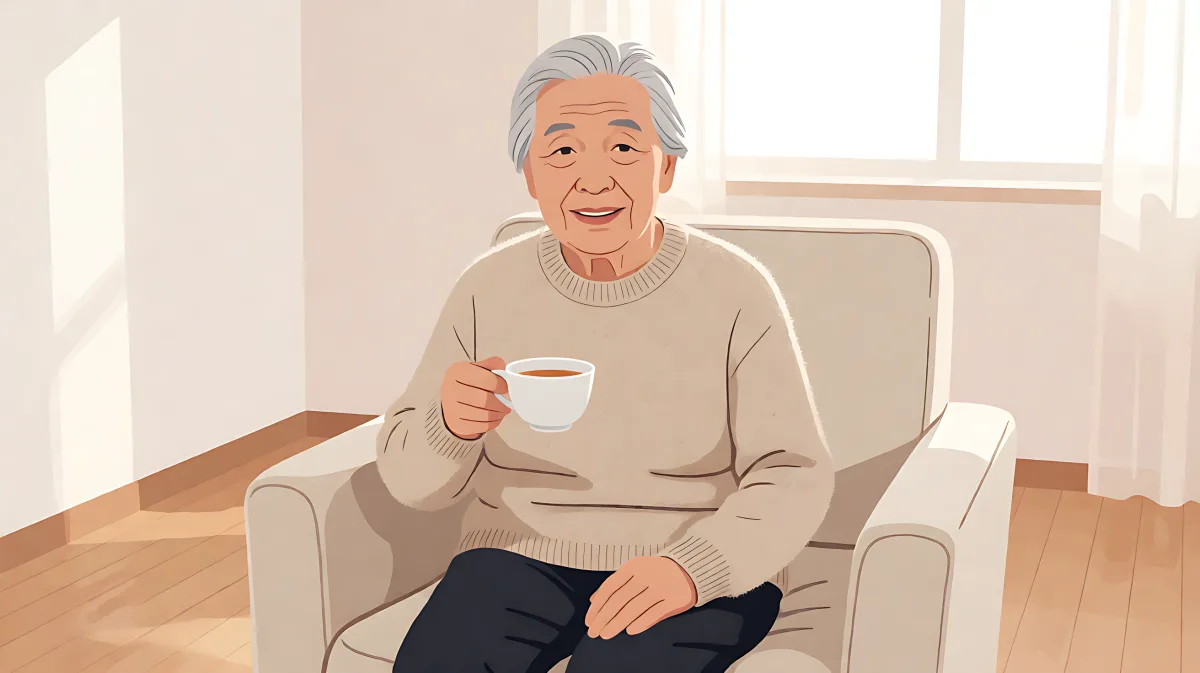
Panic attacks in older adults are treatable but often overlooked. This guide covers symptoms, treatment options like CBT and SSRIs, and daily management tips.
Panic attacks in older adults are manageable with a combination of therapy and careful medication. Unlike younger populations, seniors often experience fewer and less severe symptoms, making diagnosis tricky. The most effective approach, supported by clinical guidelines in 2026, involves starting with low-dose selective serotonin reuptake inhibitors (SSRIs) and cognitive behavioural therapy (CBT) to address both the physical and psychological aspects of the disorder without relying on risky long-term benzodiazepine use.
Are Panic Attacks Common In Older Adults?
While panic disorder is significantly less frequent in people over 65 compared to younger age groups, it is not rare. The American Association of Geriatric Psychiatry notes that anxiety affects 10 to 20 percent of the older population, though it remains largely undiagnosed. Many families assume that sudden episodes of fear or chest tightness are just normal aging symptoms, but in fact, these are treatable mental health conditions. When a senior experiences their first panic attack, clinicians in the UK and US are trained to rule out physical causes first, such as heart issues or thyroid disorders, because late-life onset is rare and often signals an underlying medical problem or medication side effect.
How Do Symptoms Differ In Seniors?
For most people, a panic attack feels the same regardless of age: a surge of intense fear that peaks within minutes. However, research indicates that older adults may exhibit fewer symptoms and less intense fear. They are also less likely to develop the avoidant behaviours common in younger patients, such as staying home permanently due to fear of having an episode. Common signs include rapid heartbeat, sweating, trembling, shortness of breath, and a sense of unreality or detachment. Because these symptoms mirror heart attacks or strokes, distinguishing between a medical emergency and a panic episode is critical. If chest pain persists beyond 20 minutes or worsens with exertion, immediate medical attention is required to rule out cardiac events.
What Are The Best Treatment Options For Seniors?
Treatment for panic disorder in later life is tailored to individual health needs, comorbidities, and preferences. Since panic disorder is chronic, management is a long-term strategy. There are no specific randomised controlled trials exclusively for seniors, so doctors extrapolate best practices from younger adult studies, adjusting for age-related physiological changes.
- Cognitive Behavioural Therapy (CBT): This is a first-line non-drug treatment. It helps seniors identify and challenge the catastrophic thoughts that drive panic. Exposure therapy, a subset of CBT, gradually reduces fear by facing triggers in a controlled environment.
- Selective Serotonin Reuptake Inhibitors (SSRIs): These antidepressants are generally recommended over benzodiazepines as a first-line pharmacological treatment in 2026 guidelines due to better long-term safety profiles in older patients with co-occurring depression.
- Benzodiazepines: While effective for short-term relief, these are used cautiously due to risks of falls, confusion, and dependency in older adults. Short-term use of adjunctive medications like lorazepam may be prescribed for the first few weeks while antidepressants take effect.
Adherence to treatment can be improved by starting antidepressants at a low dosage to avoid initial jitteriness, which anxious patients often misinterpret as side effects. Regular follow-ups during the first few weeks are essential to monitor response and adjust dosages safely.
What Triggers Panic Attacks In Older Age?
Triggers in seniors are often linked to life transitions and health changes. Grief, retirement, loss of independence, or moving into assisted living can be significant stressors. Studies show that older adults grieving a loss within the last 18 months are more than twice as likely to experience elevated anxiety levels. Additionally, chronic health conditions like COPD or diabetes can create a baseline of health worry that pushes the body into panic mode. Past trauma, such as war experiences or childhood abuse, may also resurface later in life, triggered by environmental cues or cognitive decline.
How Can Families And Caregivers Help?
Support is crucial for preventing panic attacks and ensuring effective treatment. Families should educate themselves on the difference between a panic episode and a medical emergency to reduce their own anxiety. Encouraging the senior to maintain a social routine, engage in gentle physical activity like walking, and limit caffeine and alcohol can also help reduce baseline arousal.
Action Checklist For Managing Panic Attacks
- Consult a Doctor: Request a thorough physical examination to rule out heart or thyroid issues before starting mental health treatment.
- Start Low, Go Slow: If prescribed medication, ensure the dosage is increased gradually to minimise initial side effects.
- Learn Breathing Techniques: Practise slow, diaphragmatic breathing during non-crisis moments to build a reflex that can be used during an attack.
- Limit Stimulants: Reduce or eliminate caffeine, which can exacerbate anxiety and tremors.
- Maintain a Routine: Consistent sleep and social interaction schedules provide a sense of stability that counters the unpredictability of panic.
FAQ
Can panic attacks be cured completely in older adults?
Panic disorder is a chronic condition, but it is highly treatable. With consistent CBT and medication, many older adults achieve long-term remission or significant symptom control, allowing them to return to their normal routines without fear of the next episode.
Why are SSRIs preferred over benzodiazepines for seniors?
SSRIs are preferred because they address the underlying neurochemical imbalance of panic disorder without the high risks of falls, cognitive impairment, and physical dependence associated with benzodiazepines in the aging population. They are also safer when combined with other common medications seniors take.
How quickly will medication start working?
Antidepressants for panic disorder typically take four to six weeks to reach full therapeutic effect. During this initial period, doctors may prescribe a short-term adjunctive medication to manage symptoms, but patience is required as the primary treatment builds up in the system.
Are home remedies like herbal supplements effective?
While some supplements may offer mild relaxation, they are not a substitute for evidence-based treatments like CBT or SSRIs. Furthermore, herbal products can interact with other medications, so they should only be used with explicit approval from a healthcare provider who reviews the full medication list.