Neuroscience of memory loss after 70 explained
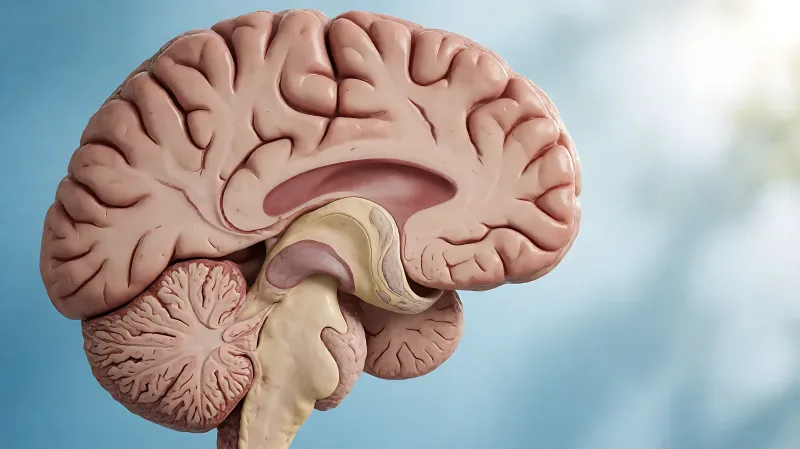
Learn how structural and functional changes in the aging brain affect autobiographical memory, especially for adults over 70.
Adults over 70 often experience difficulty forming new autobiographical memories due to natural brain changes, including hippocampal shrinkage, reduced blood flow, and increased inflammation, which interfere with how the brain encodes, stores, and retrieves personal experiences.
Why do memories of personal events fade after 70?
Autobiographical memory refers to the recollection of events tied to a person's own life, such as birthdays, holidays, and daily routines. As we age, this specific type of memory becomes more fragile. The brain regions responsible for linking emotions, sensory details, and temporal order—primarily the hippocampus, amygdala, and prefrontal cortex—undergo significant changes after age 70. According to the National Institute on Aging, certain parts of the brain shrink and communication between neurons becomes less effective. This is why older adults may struggle to recall the details of a conversation that happened just a few hours ago, even if they remember events from decades past with clarity.
What are the biological drivers of memory changes in older adults?
The shift from normal forgetfulness to memory decline involves several neurological factors. First, there is a reduction in cerebral blood flow, which limits the oxygen and nutrients that neurons need to function efficiently. Second, the brain may experience chronic low-grade inflammation, a response to injury or disease that can damage neural tissue over time. The National Institute on Aging notes that these biological changes affect mental function in healthy older people, leading to slower processing speeds and difficulty with multitasking. While these changes are common, they do not inevitably lead to dementia; many older adults can still learn new skills and form new memories, though they may require more time and repetition to do so.
How can lifestyle choices influence memory health after 70?
Although you cannot stop the aging process, you can influence the rate at which your brain changes. Research indicates that lifestyle factors play a crucial role in cognitive resilience. The National Institute on Aging points to an NIA-funded study of nearly 3,000 older adults, which found that people engaging in four or five healthy behaviors—such as physical activity, not smoking, not drinking heavily, following a Mediterranean-style diet, and mentally stimulating activities—had a 60 percent lower risk of developing Alzheimer's disease compared to those who followed one or none. Physical activity is particularly vital; studies show that older adults with higher levels of physical activity exhibit slower rates of cognitive decline, even those with elevated levels of tau protein, a marker associated with Alzheimer's disease. Maintaining a healthy heart by managing blood pressure and avoiding smoking also protects the brain, as cerebrovascular risk factors directly impact memory function.
What is the difference between normal aging and dementia?
It is essential to distinguish between age-related forgetfulness and the symptoms of dementia, such as Alzheimer's disease. According to the National Institute on Aging, normal aging may involve forgetting where you put your glasses or taking longer to learn a new piece of information. In contrast, dementia involves the loss of cognitive functioning to the extent that it interferes with daily life and quality of existence. Warning signs of dementia include asking the same questions repeatedly, getting lost in familiar places, and difficulty following directions. Mild cognitive impairment, or MCI, sits in the middle; individuals with MCI have more memory problems than their peers but can still care for themselves. Not everyone with MCI will develop Alzheimer's, but it is a significant risk factor that requires medical monitoring.
Can the brain still adapt and learn after 70?
Yes, the brain retains a surprising ability to change and adapt, a concept known as neuroplasticity. Even in the 70s and beyond, older adults can improve their vocabulary, language skills, and knowledge of word meanings. Many studies show that while older adults may be slower to find words, they possess larger vocabularies and deeper understanding of complex meanings than younger adults. Engaging in social interactions, such as talking with friends and family about past events, helps maintain the narrative structure of autobiographical memory. Social isolation, conversely, can accelerate cognitive decline. By staying active, connected, and informed, older adults can continue to build and maintain their life story, even as the brain physically changes.
What should you do if you notice memory changes?
If you or a loved one notice noticeable changes in memory, it is important to consult a healthcare provider. A doctor can perform tests to determine whether the changes are part of normal aging or a sign of a more serious condition. They may recommend seeing a neurologist, a specialist in brain and nervous system diseases. Participation in clinical trials, such as those supported by the National Institute on Aging to study cognitive super-agers, can also provide valuable insights and contribute to the broader understanding of how to prevent or reverse age-related cognitive decline.
What is infantile amnesia and how does it relate to adult memory loss?
Infantile amnesia refers to the inability to recall events from early childhood, a phenomenon that psychologists have studied for decades. Understanding how autobiographical memory develops in children, including the role of verbal skills and self-concept, helps researchers identify the mechanisms of memory storage. These same mechanisms, when they weaken in older adults due to brain shrinkage and reduced blood flow, contribute to the difficulty in forming new personal memories.
Does moderate alcohol consumption affect memory in older adults?
Health experts recommend avoiding or limiting alcohol consumption, as excessive drinking is a risk factor for cognitive decline. The National Institute on Aging highlights that not drinking heavily is one of the lifestyle factors associated with a significantly lower risk of developing Alzheimer's disease. Maintaining a moderate lifestyle supports overall brain health and protects the neural pathways necessary for autobiographical memory.
How much sleep is necessary for memory consolidation in older adults?
Getting enough sleep, generally seven to eight hours each night, is crucial for memory consolidation. During sleep, the brain processes and stores information, allowing it to transfer from short-term to long-term storage. Poor sleep quality or quantity can exacerbate the effects of natural brain aging, making it harder to recall new events and maintain cognitive sharpness.
What role do social interactions play in maintaining memory?
Social interactions provide a framework for narrative memory, which is central to autobiographical recollection. Talking about past events with others reinforces the brain's ability to access and organize these memories. Isolation can lead to a decline in these skills, so staying connected with friends, family, and the community is a key component of brain health for adults over 70.