Water & Fire Claim Mistakes to Avoid
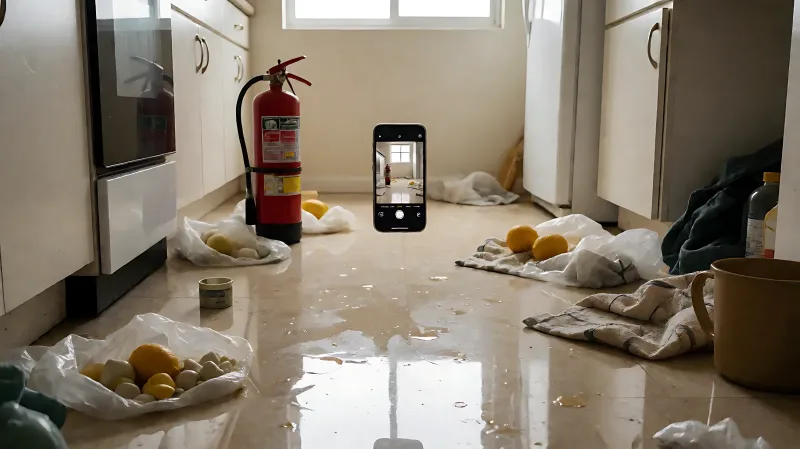
Filing a home insurance claim for fire or water damage can be tricky. Older homeowners often make specific documentation errors that delay or deny payouts. Here is a guide to avoiding those traps.
Older homeowners often face claim denials or delays due to insufficient documentation after fire or water damage. To ensure a smooth process, you must capture comprehensive visual evidence, maintain an accurate inventory, and avoid permanent repairs before an adjuster arrives. This approach protects your rights under standard insurance policies and helps secure the maximum settlement.
For more information, see NAIC consumer insurance guidance from the National Association of Insurance Commissioners.
Why Documentation Matters More Than the Event
When a pipe bursts or a kitchen fire occurs, the immediate instinct is to fix the problem. However, insurance underwriters rely on documented proof of loss to validate claims. According to the National Association of Insurance Commissioners, clear evidence is the primary factor in settling residential property claims. For older adults, who may have accumulated significant personal property over decades, proving the value of lost items is critical. Without specific data, insurers may use depreciated values, significantly reducing the payout.
What is the First Step After Damage?
The first step is to secure the scene without erasing the evidence. You should isolate water sources or disconnect electricity if there is a risk of electrocution. Once the immediate danger is managed, use your smartphone to capture high-resolution photos and videos. Include wide shots of the room and close-ups of specific damage points. The U.S. Consumer Product Safety Commission recommends documenting any safety hazards immediately. Do not throw away damaged items yet. Even if a waterlogged box of old photographs is ruined, the box itself is part of the claim record.
Common Documentation Mistakes to Avoid
Many claim failures stem from specific gaps in the initial report. The following are the most frequent errors observed in residential property claims.
- Insufficient Visual Proof: Taking only one or two pictures. Adjusters need a sequence of images showing the extent of damage. If you have a laptop, back up these files to the cloud immediately in case the device is also damaged.
- Missing Inventory Details: Failing to list serial numbers for electronics. If you lose a laptop in a fire, the serial number on the invoice or registration card is required for the claim to be valued at replacement cost rather than book value.
- Unauthorized Repairs: Calling a contractor to fix the roof or water damage before the insurance adjuster inspects the site. You are required to make emergency repairs to prevent further damage, but permanent fixes can obscure the original cause and lead to disputed liabilities.
- Lack of Timelines: Not recording the exact time the incident occurred. This detail helps insurers determine if the damage was sudden and accidental, which is a standard requirement for coverage under most dwelling forms.
How to Handle Fire and Water Damage Specifically
Fire and water damage have distinct documentation needs. In the case of fire, smoke residue can spread to ceilings and walls, damaging areas that do not appear charred. You must document the odor and visibility issues, as these are part of the loss. For water damage, the distinction between a sudden burst pipe and gradual seepage is vital. The CDC notes that improper ventilation can lead to mold growth within 24 to 48 hours of water exposure. Therefore, you must document the need for mitigation (drying out the area) to show that you took reasonable steps to prevent secondary damage, which is a condition of most policies.
How Do You Document Personal Belongings?
Create a detailed inventory list as soon as you are safe. Use a spreadsheet or a dedicated app. For high-value items, include the purchase date, location, and price. If you have receipts, scan them into a digital folder. For older items, you may need to look up current replacement prices online to estimate value. The Better Business Bureau advises keeping records of major household items to expedite the claims process.
The Role of an Independent Loss Assessor
If your loss is complex or significant, consider hiring an independent loss assessor. Unlike the adjuster sent by your insurance company, an assessor works on your behalf. They help interpret policy terms, negotiate the settlement, and ensure that hidden damage is included in the estimate. This is particularly useful for older homeowners who may feel overwhelmed by the technical language of insurance policies. A professional can also coordinate with restoration contractors, ensuring that the work meets the standards required by your insurer.
Final Steps to Protect Your Claim
Before submitting your claim, review your policy exclusions. Standard policies often exclude damage from wear and tear or poor maintenance. If your water damage resulted from a leaking pipe that had been ignored for months, the claim may be denied. Read your policy wording carefully and keep a copy of the declaration page. If you are in the UK or US, regulatory bodies like the Financial Conduct Authority or state insurance departments provide resources for disputing unfair claims.
What Should You Include in the Initial Claim Report?
Include your policy number, the date and time of the incident, a factual description of events, and a list of affected areas. Attach your photo gallery and inventory list. Avoid speculating on causes. Stick to what you saw and did. A calm, factual report builds credibility with the claims handler.
Frequently Asked Questions
How long do I have to file a water damage claim?
Most policies require you to report claims as soon as reasonably possible. While there is no universal deadline, delays of more than 30 days can complicate the investigation. Notify your insurer immediately after ensuring your safety.
Does insurance cover mold from water damage?
Generally, mold is covered if it results from a sudden, accidental water loss that you reported promptly. If you knew about a leak and failed to fix it, the resulting mold is typically excluded as maintenance neglect.
What if I throw away damaged items?
If items are unsanitary or hazardous, you may dispose of them for safety. However, you must keep receipts and photos of the items before disposal to prove they existed and their value.
Can I hire my own adjuster?
Yes, you can hire an independent loss assessor or public adjuster to represent you. They charge a percentage of the claim settlement and act in your best interest rather than the insurer's.
What documents do I need for a fire claim?
You need the fire department report, photos of the structure and contents, a list of lost items with values, and any relevant receipts or appraisals for high-value possessions.