Smart Thermostat Data and Insurance Claims: What You Need to Know
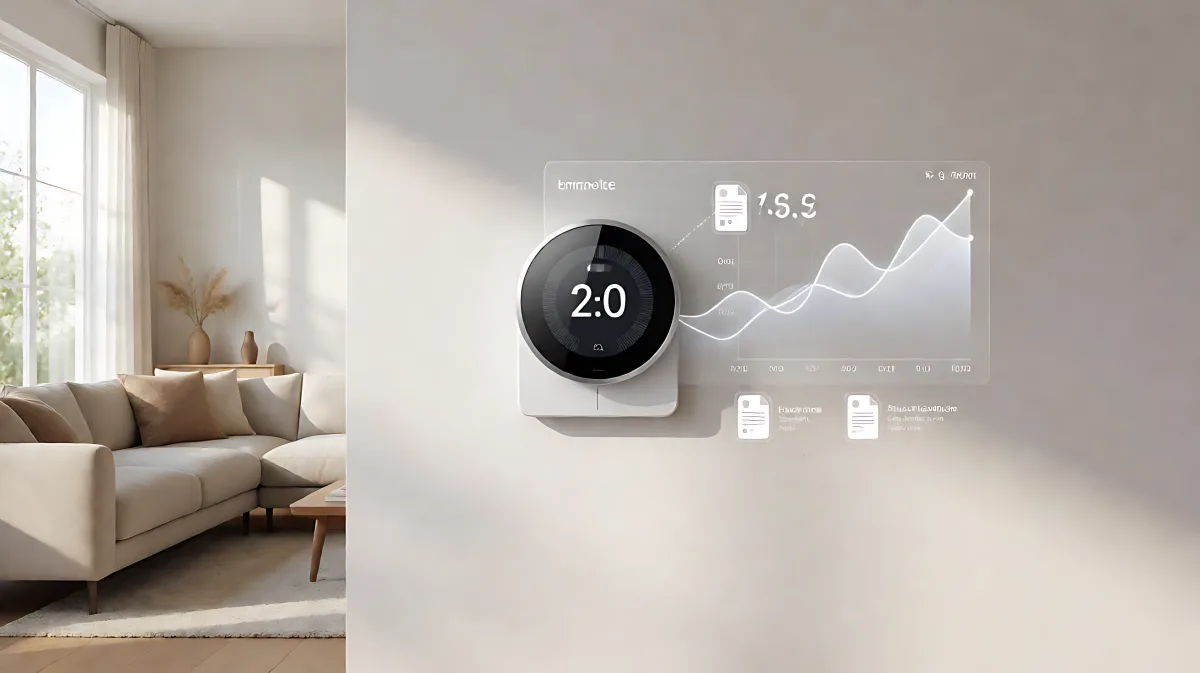
Smart home devices can lower premiums but also create risks for claims. Learn how sensor data is used by insurers and how to protect your privacy while maximizing savings.
Smart thermostats and leak sensors can reduce water damage severity by up to 90 percent, making them valuable for insurance claims. However, the same data can be used by insurers to deny claims if they argue you neglected maintenance. To protect yourself, review data-sharing terms before enrolling in discount programs.
How do smart home devices influence insurance premiums?
The insurance industry has shifted from using broad actuarial statistics to real-time risk assessment. Many carriers now offer premium discounts ranging from 5 to 15 percent for homes equipped with qualifying smart devices. This includes monitored security systems, water leak detectors, and smart thermostats that indicate occupancy. The logic is straightforward: devices that prevent or mitigate losses reduce the insurer’s expected claims costs. For example, a smart water shutoff system can prevent thousands of dollars in flood damage, justifying a lower rate for the policyholder.
What specific data points do insurers monitor?
Insurers are increasingly interested in the digital footprint your home creates. Smart thermostats track temperature history and humidity levels. Leak detectors log the timing and severity of moisture events. Security cameras record video footage of your property. Even smart plugs can log power usage patterns. This data can be used to adjust pricing or underwrite policies. Some insurers partner with device manufacturers to provide free or subsidized equipment, but these offers often come with conditions that require active data sharing.
Can sensor data be used against you in a claim?
Yes. While these devices are marketed as tools for peace of mind, they can become evidence against you when a claim is filed. This is often described as a double-edged sword. The data that helps prevent a loss can be used to limit payment for that loss. Insurers may argue that you had prior notice of a condition and failed to act. This applies especially to water damage claims, where the distinction between "sudden and accidental" and "gradual" damage is a common legal battleground.
How do insurers use thermostat and humidity logs?
If your smart humidity sensor recorded elevated moisture levels in your basement for weeks before you filed a mold claim, the insurer may argue that you were on notice of the condition and failed to take corrective action. Under most homeowner policies, you have a duty to protect the property from further damage. Similarly, if a smart thermostat shows you kept the house at a temperature low enough to freeze pipes while you were away, insurers might argue you failed to maintain the property properly. In 2026, legal frameworks are still catching up to the speed of this technology, but the industry is moving toward behavioral-based pricing and claims analysis.
What role do security cameras play in claim disputes?
Insurers investigating claims for theft, vandalism, or storm damage increasingly request footage from devices like Ring and Nest. While this footage can document the event, it can also be used to challenge your account. For instance, if footage shows pre-existing damage that you did not mention, or if it fails to show the storm conditions you described, the insurer may use this to question the credibility of your claim. In litigation, insurers can even subpoena this cloud-stored data directly from the manufacturer if you refuse to share it voluntarily.
What is the misconception about data ownership?
Many homeowners assume that because they bought the device, they own the data it generates. In fact, the terms of service for most smart home devices grant the manufacturer broad rights to that data. These terms often include the right to share data with partners, which may include insurance companies. If you received a free device through an insurer partnership, the contractually agreed data sharing may be more extensive. It is crucial to read these terms before connecting a device to your home network, especially if you are seeking a premium discount.
Are there new risks that traditional policies do not cover?
Yes. Standard policies cover physical risks like a brick thrown through a window. They may not cover cyber-attacks that lock you out of your home or disable your alarms. A corrupted software update that damages a smart hub might be classified as a software failure rather than an electrical surge, leading to coverage gaps. Some insurers are now offering endorsements or standalone cyber policies for homeowners, a product that was previously limited to businesses.
How can you protect your privacy while using smart devices?
You do not have to ditch smart technology to protect yourself. Instead, you should adopt it with eyes wide open. Start by auditing your current setup and understanding exactly what data is being shared.
- Read the fine print on data sharing when applying for discounts. Understand exactly what data is being shared, with whom, and how it can be used.
- Harden your digital home. Use strong, unique passwords for all devices and your router. Enable two-factor authentication and regularly update firmware.
- Segment your network. Use your router’s guest network feature for IoT devices. This keeps them on a separate channel from your personal computers and phones, limiting the damage from a compromise.
- Have a frank talk with your agent. Ask direct questions about liability from data breaches or exclusions for losses caused by hacked devices.
- Consider local storage. Switch to cameras that store video on a hard drive in your home rather than in the cloud to reduce subpoena risks.
By taking these steps, you can balance the convenience of smart technology with the need to protect your financial and personal interests.
What is the impact of telematics on home insurance?
The property insurance industry is watching the auto sector closely. Telematics data in cars has already raised major privacy concerns, with insurers using driving behavior to influence premiums. In 2026, reports indicate that major auto insurers are facing lawsuits over the use of cellphone tracking data. The lesson is clear: once insurers learn how to monetize behavior data in one vertical, the technique transfers easily to home insurance. Your smart home data is the next frontier for this kind of behavioral underwriting.
Frequently Asked Questions
Do I have to share my smart home data to get a discount?
Not necessarily. While many discount programs require active device participation, some allow for anonymized or aggregated data sharing. You should ask your insurer if you can opt out of sharing granular, real-time data. Your privacy is often worth more than a small monthly premium reduction.
Can an insurance company subpoena my smart home data?
Yes. In litigation or formal investigations, insurers can subpoena smart home data from both the policyholder and the device manufacturer. Cloud-stored data from companies like Ring and Nest can be obtained directly from the manufacturer in response to a valid court order, even if you do not voluntarily provide it.
How do I check if my home has a "shadow credit score"?
You can request a consumer risk report from agencies like LexisNexis or Verisk. These reports show every claim and incident tied to your name for a specific period. This helps you understand how data brokers are aggregating your smart home and insurance history into a risk profile that insurers may use.