Walking Cadence & Bone Density: Aging Markers Explained
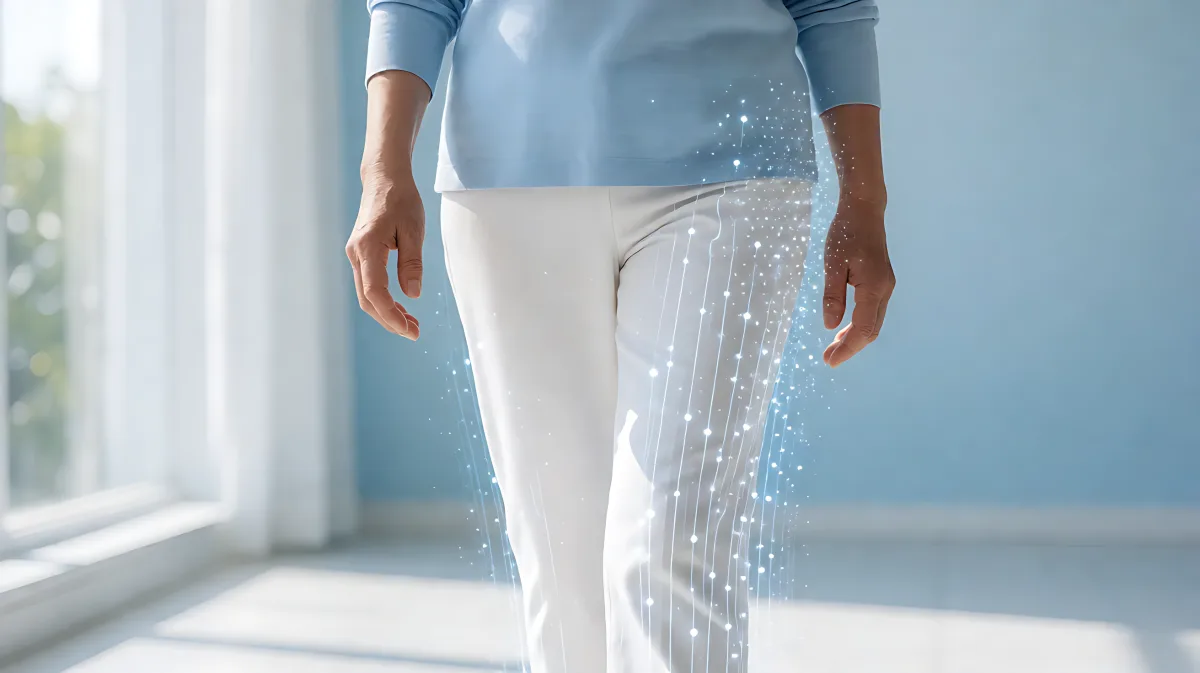
Recent studies suggest that the rhythm and speed of your steps can signal changes in bone health. This article explores the link between walking patterns, bone mineral density, and aging.
Walking cadence and pace are emerging as critical non-invasive markers for assessing bone health in older adults. While traditional diagnostic tools like dual-energy X-ray absorptiometry remain the gold standard for measuring bone mineral density, recent research indicates that changes in gait rhythm and mobility patterns often precede significant bone loss. By monitoring how an individual moves in real-world settings, clinicians and individuals can identify early signs of skeletal fragility and mobility decline, allowing for targeted interventions to preserve bone strength and reduce fracture risk.
Why Walking Patterns Reflect Bone Health
The relationship between the skeleton and locomotion is bidirectional. Bone is a dynamic tissue that adapts to mechanical loads. When you walk, your bones experience impact forces and fluid flow within the marrow, which stimulates osteoblasts to build new bone tissue. Conversely, as bone weakens due to age-related osteoporosis or sarcopenia, gait mechanics often change to compensate for instability or pain. A slowing of walking speed or a decrease in step regularity can therefore act as a visible proxy for underlying skeletal deterioration. According to the National Council on Aging, maintaining mobility is a cornerstone of quality of life, and monitoring these patterns helps older adults stay independent.
How Does Gait Speed Indicate Mobility Decline?
Researchers from the InCHIANTI study, published in Nature Aging, analyzed real-world mobility data from 200 community-dwelling adults aged 65 to 94. Using digital sensors and the Mobilise-D computational pipeline, they tracked walking activity, pace, and rhythm over a full week. The findings revealed non-linear trends in mobility metrics as age increased. Specifically, there was an accelerated reduction in walking activity and pace in certain age brackets, suggesting critical periods where mobility decline becomes steeper. Males generally maintained higher walking activity in the younger senior groups (65–74 and 75–84 years), but this sex-based difference disappeared in the oldest cohort (85–94 years). These benchmarks provide a way to assess whether an individual’s gait falls within expected norms for their age, highlighting potential risks for falls or skeletal stress.
The Science of Bone Turnover Markers
While gait analysis provides a behavioral snapshot, blood and urine tests can reveal the biological activity of the skeleton. A systematic review and meta-analysis published in Frontiers in Physiology in early 2026 examined the effects of exercise on bone turnover markers in adults. The study reviewed 22 randomized controlled trials involving over 1,000 participants. It identified key markers that reflect the balance between bone formation and resorption.
What Are Key Bone Formation and Resorption Markers?
Bone health is determined by the equilibrium between osteoblasts (cells that build bone) and osteoclasts (cells that break down bone). The meta-analysis highlighted specific biomarkers that respond to physical loading:
- Osteocalcin (OC): A protein released by osteoblasts that indicates new bone formation. The study found that exercise programs shorter than four months significantly elevated OC levels.
- Bone-Specific Alkaline Phosphatase (BALP): An enzyme that marks the activity of bone-building cells. BALP levels increased significantly in both short-term (less than four months) and long-term (four months or more) exercise interventions.
- P1NP: A marker of collagen formation, indicating structural bone growth. This was also elevated in shorter intervention periods.
- CTX and TRACP-5b: These markers reflect bone resorption or breakdown. Effective exercise strategies aim to lower these levels or maintain a positive balance where formation exceeds resorption.
The research concluded that while combined exercise modalities significantly improved bone mineral density at the femoral neck and total body in young adult women, the biochemical markers like OC and BALP showed responsiveness across various age groups. This suggests that even modest physical activity can stimulate the biological machinery responsible for bone maintenance.
Connecting Cadence to Skeletal Strength
The mechanical load generated by walking cadence is a primary stimulus for bone adaptation. A steady, brisk pace generates repetitive impact forces that strengthen the skeletal structure. However, as osteoporosis prevalence rises with age—reaching over 25% in women aged 80 according to NICE clinical guidelines—the skeleton becomes less capable of withstanding high-impact loads without damage. Consequently, older adults may subconsciously slow their cadence or adopt a shuffling gait to minimize stress on fragile bones. This creates a feedback loop: reduced loading leads to further bone loss, which necessitates further gait changes. The InCHIANTI study’s focus on bout-to-bout variability in gait is particularly relevant here. Inconsistent step timing and rhythm are associated with neural and muscular decline, which often parallels skeletal weakness. Monitoring these variables allows healthcare providers to intervene before a fracture occurs.
How Can Older Adults Use This Information?
For individuals concerned about bone health, paying attention to walking habits can be an accessible monitoring tool. If you notice a significant drop in your step frequency or an increase in the time between walking bouts, it may be a sign to consult a physician for a bone density scan or a mobility assessment. The World Health Organization highlights that mobility disability affects millions of older adults globally, often resulting from musculoskeletal impairments. By establishing a baseline of your walking cadence and pace, you can track changes over time. Regular, weight-bearing activity is crucial, but the pattern of movement matters just as much as the duration. The Frontiers in Physiology meta-analysis supports that structured exercise is superior to unstructured movement for improving BMD, yet real-world data shows that spontaneous walking patterns are strong predictors of functional status.
Practical Strategies for Healthy Bone and Gait
Combining the insights from mobility studies and bone biology research offers a clear path for maintaining skeletal health.
Should You Monitor Your Walking Pace?
Yes. Using pedometers or wearable devices that track cadence can provide objective data on your activity levels. Aim for a brisk pace that maintains a consistent rhythm. The InCHIANTI benchmarks suggest that maintaining higher levels of walking activity is more common in younger seniors, so consistency becomes a key goal for those over 80. If your cadence drops, consider incorporating strength training to support the bones and muscles involved in walking. The meta-analysis found that combined exercise (mixing impact, resistance, and flexibility) was particularly effective for improving femoral neck density, a common fracture site.
What Role Do Nutrition and Sleep Play?
While not explicitly detailed in the mobility study, bone health is a systemic issue. Adequate calcium and vitamin D intake are fundamental. However, the signal is mechanical. The body only builds bone in areas where it needs to withstand load. If you spend hours sitting, your bones receive minimal mechanical stimulus. Standing more, walking daily, and maintaining a steady cadence ensure that the skeletal system remains engaged. For those with diagnosed osteopenia or osteoporosis, working with a physiotherapist to correct gait abnormalities can reduce fall risk and optimize loading patterns.
FAQ: Walking, Bone Density, and Aging
Is a slower walking speed always a bad sign for bone health?
Not necessarily. Walking speed naturally decreases with age due to muscle and joint changes. However, a sudden or significant decline in speed or an increase in gait variability (irregular step times) can indicate underlying mobility issues or bone fragility. It is best interpreted in context. If you feel unsteady or notice you are walking much slower than you did a year ago, a medical evaluation is recommended.
Can walking cadence be improved in older adults?
Yes. The research on exercise and bone turnover markers suggests that short-term interventions of less than four months can show significant improvements in bone formation markers like Osteocalcin. Similarly, mobility training can help refine gait rhythm. Structured programs that include balance exercises and weight-bearing walks can help older adults regain confidence and steady pace, reducing the risk of falls and skeletal stress.
What are the best activities to protect bone density as we age?
Weight-bearing exercises are most effective. This includes brisk walking, hiking, and dancing. The meta-analysis indicated that combined exercise modalities, which might include jumping, resistance training, and balance work, offer the greatest benefits for femoral neck and whole-body bone density. For those who cannot jump due to injury or pain, consistent, high-impact walking on firm surfaces is a viable alternative, provided it is done safely.
How often should older adults monitor their mobility?
There is no strict mandate, but establishing a baseline is useful. The InCHIANTI study used one week of data to establish reference values. For personal monitoring, tracking your daily step count and walking pace weekly can reveal trends. If you are under the care of a geriatrician or orthopedic specialist, they may recommend periodic gait assessments alongside standard bone density scans to create a comprehensive view of your skeletal and functional health.