Elderly Fall Prevention in Rented Apartments
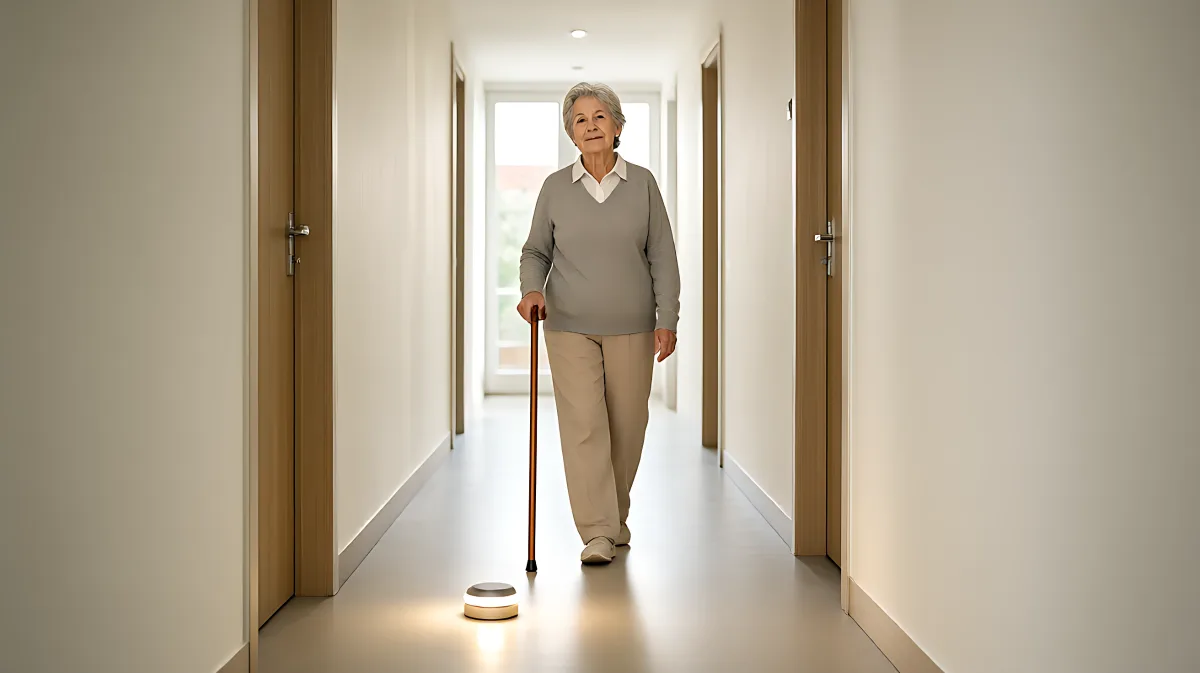
Navigating a leased apartment can pose unique challenges for older adults. This guide details temporary, non-damaging safety modifications and medical strategies to reduce fall risk while respecting lease agreements.
For elderly adults renting apartments, preventing falls is about balancing safety with lease restrictions. You do not need to drill into walls or request major renovations to create a secure living space. By using temporary non-slip products, improving lighting, and managing medication risks, you can significantly lower your chance of injury. According to the Centers for Disease Control and Prevention, more than one in four adults aged 65 and older falls each year, making practical, reversible home adjustments essential for maintaining independence in a rental unit.
Why Rented Apartments Pose Unique Fall Risks
Apartments and condominiums often feature architectural elements that increase instability for older residents. Smooth flooring becomes slippery when wet, and raised thresholds between rooms can catch canes or feet. Small bathrooms limit turning space, and dim hallways make it hard to see obstacles during the night. Unlike homeowners, renters often face lease clauses that prohibit drilling or permanent hardware installation. This means standard grab bars and built-in steps are often off the table unless you get specific written permission. The key to safety in these spaces is identifying hazards that work against your body's balance and then applying temporary fixes that do not damage the property.
How Do You Identify Hidden Hazards in Your Lease?
Before buying any safety equipment, review your lease agreement. Many contracts require the unit to be returned to its original condition. Ask your landlord or leasing office if they permit the use of adhesive hooks or clamp-on supports. In many regions, housing laws may require landlords to provide reasonable modifications for safety, but you must document your request in writing. Explain the specific safety concern, the proposed solution, and how it can be removed without damage. This proactive communication prevents disputes and ensures you have the right to make necessary safety changes.
Which Temporary Modifications Work Best for Renters?
Effective fall prevention does not require construction. It requires smart organization and the right portable equipment. You can create a safer environment by focusing on lighting, footwear, and clutter reduction. These changes are affordable, reversible, and highly effective.
What Changes Can You Make in the Bathroom?
The bathroom is the most common site for injuries because it combines wet surfaces and hard floors. Instead of drilling in grab bars, use adhesive or clamp-on supports that are certified to hold body weight. Check the manufacturer's weight limits carefully. Do not use towel bars or shower doors for support, as these are not designed for weight-bearing. Add a non-slip mat that is securely backed to the floor to prevent it from shifting. A shower chair can help if standing for long periods is difficult. Keep toiletries within easy reach to avoid overstretching.
How Can You Safely Light Dark Hallways?
Many falls occur at night when moving from bed to the bathroom. You can fix poor lighting without rewiring the apartment. Use plug-in or battery-powered motion-sensor night lights. Place them in the path between the bedroom and bathroom. Ensure the light is on the floor or low on the wall to eliminate shadows. Keep the path clear of shoes, baskets, and cords. If you wear glasses at night, keep them on a stable bedside table so you can see clearly when you wake up.
- Install motion-sensor lights in hallways and bathrooms.
- Use a non-slip doormat at the entrance to prevent sliding.
- Route electrical cords along the walls, not across walkways.
- Move frequently used items to waist height to avoid reaching.
How Do Medications Affect Your Balance at Home?
It is a common misconception that home safety is only about physical objects. Many families assume that clearing the floor is enough, but in fact, medication side effects are a major contributor to instability. Drugs that lower blood pressure or cause drowsiness can make you sway when you stand up quickly. Talk to your pharmacist or doctor about a medication review. They can check for interactions or adjust doses to reduce dizziness. This medical step is just as important as adding a grab bar.
Which Exercises Improve Stability Without Equipment?
Strength in the legs and core is vital for preventing falls. You do not need a gym membership to build this stability. The CDC and various health organizations recommend low-impact exercises like Tai Chi or chair squats. These movements improve balance and coordination. You can do them in your living room without disturbing neighbors. Consistent practice helps you react faster to a wobble, reducing the chance of a full fall.
What Is a Step-by-Step Safety Checklist for Renter Seniors?
Use this actionable list to audit your apartment this week. It takes less than an hour to complete and requires no drilling or paint.
- Walk Test: Walk through your apartment at night with a flashlight to find dark spots and trip hazards.
- Medication Audit: List all prescription and over-the-counter drugs and note any that cause dizziness.
- Clutter Clearing: Remove throw rugs and store boxes in closed cabinets, not on the floor.
- Lighting Upgrade: Place battery-powered night lights in the bedroom, hallway, and bathroom.
- Support Check: If using a cane or walker, ensure doorways are wide enough and paths are clear.
When Should You Call a Professional?
If you have had a recent fall, even if you were not injured, you should see a healthcare provider. A fall doubles your risk of falling again. An occupational therapist can assess your specific needs and recommend portable equipment that fits your apartment's layout. They can also help you create a safe routine for transferring from bed to chair. Do not rely on unstable furniture for support. If you feel unsteady, seek professional guidance before attempting new exercises.
Frequently Asked Questions
Can I drill a hole for a grab bar if I am renting?
You should always check your lease first. In many jurisdictions, safety modifications are protected, but you must request permission in writing. If drilling is not allowed, use high-quality adhesive or clamp-on supports that meet safety standards. Document the landlord's approval to protect your security deposit.
Are non-slip mats safe if they slide on the floor?
No. A sliding mat is a trip hazard in itself. Use mats with a strong non-slip backing, or secure them with non-permanent adhesive strips that will not damage the floor. If you have tile or stone floors, look for mats designed for smooth surfaces.
How much exercise do I need to prevent falls?
The CDC recommends regular activity that challenges your balance. You do not need to run. Two to three sessions of balance-focused exercise, like standing on one foot or Tai Chi, per week can significantly reduce your risk. Consistency is more important than intensity.
What if my landlord refuses safety modifications?
If your landlord refuses a reasonable safety modification, you may have rights under local housing laws. Contact a local tenant rights organization or a housing professional to understand your options. You can also prioritize no-drill solutions like portable ramps and improved lighting to maintain safety without landlord approval.