How to Verify Online Hearing Aids Are Legit
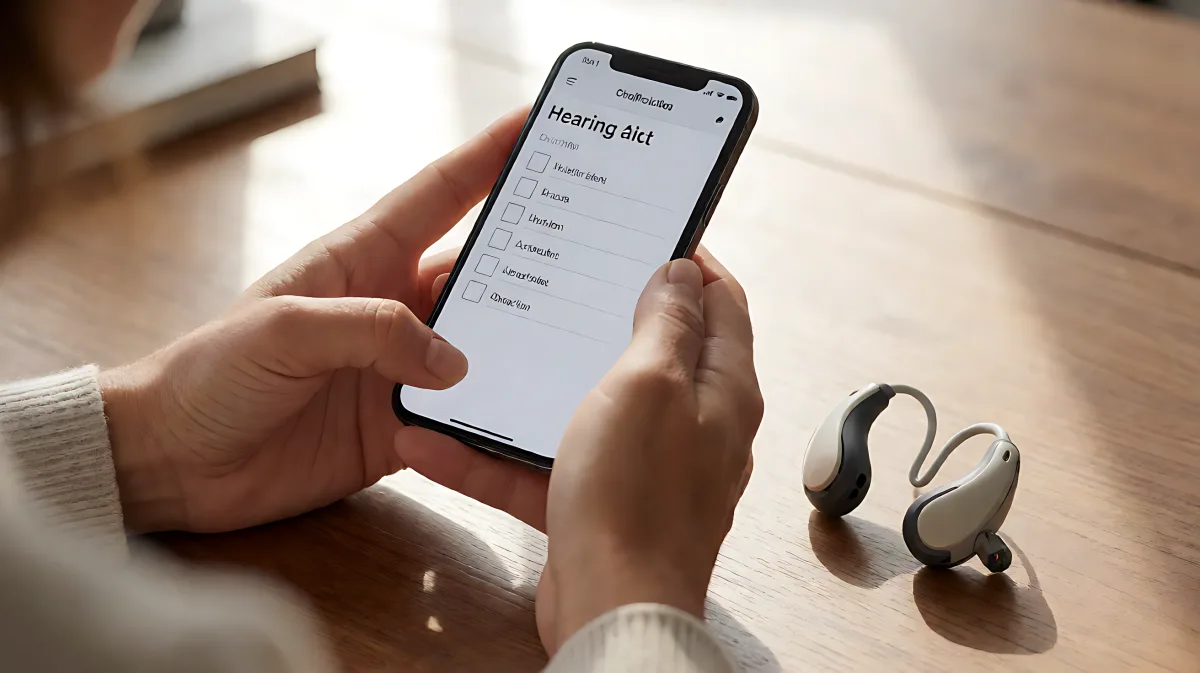
Before you buy, verify the seller’s authorization, check FDA packaging claims, and run a home performance test to ensure your hearing aid actually works for you.
Before spending money on online hearing aids, you must verify the seller’s manufacturer authorization and check for specific FDA packaging markers to avoid scams. The FDA regulates over-the-counter (OTC) hearing aids for adults with mild to moderate hearing loss, but many online sellers sell unregistered devices that do not work or violate consumer protection laws. A quick five-minute check of the company’s history, warranty registration process, and independent reviews can save you from buying a fake product that wastes your money and may damage your hearing.
Why do online hearing aid scams spike?
Since the U.S. Food and Drug Administration approved the sale of OTC hearing aids, the market has expanded rapidly, creating opportunities for fraud. Scammers exploit the fact that Original Medicare does not cover hearing aids and many private insurance plans offer limited coverage. This leaves many adults looking for budget-friendly options, making them targets for misleading advertisements. According to recent consumer reports, OTC hearing aid sales in the United States crossed the $1.2 billion mark, highlighting the massive scale of the industry. Unfortunately, not all of that volume is legitimate. Unregulated Personal Sound Amplification Products, often disguised as medical devices, flood social media with ads promising miracle cures at suspiciously low prices.
How can you tell a scam from a legitimate seller?
Legitimate providers prioritize informed decision-making over high-pressure sales tactics. If a company claims its device will cure hearing loss or demands immediate payment via wire transfer or gift cards, it is a significant red flag. Reputable brands offer refund policies and provide customer service contact information. Conversely, scammers often hide behind vague company names and lack a physical address or public history. The National Council on Senior Citizens and other consumer protection groups warn that if a deal seems too good to be true, it almost always is.
What makes a hearing aid FDA-compliant?
The FDA requires specific information to be printed on the packaging of legal OTC hearing aids. This includes warnings against use by those under 18, symptoms of mild to moderate hearing loss, and advice on when to seek medical care. The box must also state whether the device is new, used, or rebuilt, and list battery types. Misleading terms like “FDA Certified” are not official; the FDA does not issue individual certificates. Instead, look for the explicit words “OTC” and “hearing aid” on the packaging. If the device is labeled merely as a “sound amplifier” or “hearing enhancement,” it is likely a non-medical PSAP designed for people with normal hearing, not a treatment for hearing loss.
What are the specific FDA labeling requirements?
Compliant devices must include a notice of the manufacturer’s return policy and contact information. They must also disclose if a remote or phone app is required for control. These details ensure the consumer knows exactly what they are buying and how to get support. Ignoring these labels is the first step in identifying a fraudulent product. Many consumers assume any device sold online is regulated, but in fact, only devices that meet the FDA’s specific OTC rules for mild to moderate hearing loss in adults are protected by these standards.
How do you verify a seller’s legitimacy in five minutes?
You can run a rapid verification process to determine if an online seller is safe. This involves checking four key areas: trading history, manufacturer authorization, independent reviews, and warranty support. You do not need a lawyer to do this; you just need public information and a few minutes.
- Check Trading History: Look for a stated founding date and a physical business address. A company that rebranded without explanation may be hiding a bad reputation. Verify the parent company if applicable.
- Confirm Manufacturer Authorization: Ask for a list of authorized brands. An authorized retailer has a contractual relationship with manufacturers like Phonak, Oticon, or Starkey. This relationship is what allows the retailer to register the device warranty. If a seller cannot name specific manufacturers, they are likely a reseller with no support.
- Review Independent Feedback: Ignore reviews on the company’s own website. Check independent platforms like the Better Business Bureau or Trustpilot. Look for volume and date spread. A cluster of reviews in one month suggests a fake campaign. Read negative reviews to see how the company handles complaints.
- Clarify Warranty Terms: Understand that the manufacturer holds the warranty, not the seller. However, only an authorized seller can register that warranty at the point of sale. If the seller closes, the warranty remains because it is registered to the device serial number, but you lose the service layer that handles repairs. Unauthorized sellers cannot register the warranty, leaving you with no coverage.
What is the difference between a warranty and service support?
The manufacturer warranty covers defects in the device for a set period. Service support includes programming adjustments and troubleshooting. These are distinct. Loss and damage coverage is a separate product with its own deductible. When verifying a seller, ensure they can facilitate the warranty registration. If they cannot, the device is effectively out of coverage from day one, regardless of what the listing claims.
How do you test hearing aid performance at home?
Once you have verified the seller, you must verify the device itself. Many users buy hearing aids only to realize later that they are not functioning correctly for their specific hearing loss. You can perform a functional check using your smartphone and real-world scenarios.
- Clean Physical Components: Most performance drops are caused by blockage, not electronics. Use a soft brush to clean the microphones and inspect tubing for cracks or wax occlusion weekly.
- Record and Replay Test: Use your phone’s voice memo app to record yourself reading a paragraph in a quiet room. Replay it through the hearing aids. Listen for clarity and delay. If the sound is muffled or delayed by more than 150 milliseconds, investigate the connectivity or firmware.
- Test in a Noisy Environment: Pick a consistent location, such as a cafe table. Sit there and listen to a conversation. Track the percentage of sentences you understand. This tests the speech-in-noise performance, which is the primary complaint for most hearing aid users.
- Monitor Battery Life: Track actual usage over seven days. Modern lithium-ion cells should deliver at least 30 hours of runtime. If runtime drops by more than 25% within six months, the battery is aging.
When should you see a professional?
Home checks cannot detect subtle gain errors of less than 3 decibels. They also cannot identify physiological changes like ear canal shrinkage that affect fit. If you experience persistent discomfort, sudden distortion, or if the home tests show inconsistent results, you need a professional verification. A Real-Ear Measurement session costs between $100 and $250, but it provides the gold-standard accuracy that apps cannot. This is essential for prescription devices or if you suspect progressive hearing loss.
Frequently Asked Questions
How do I know if an OTC hearing aid is FDA approved?
Check the packaging for the words “OTC hearing aid” and specific FDA-required warnings about use in adults over 18. Verify the manufacturer’s registration through the FDA database. Beware of boxes that say “FDA Certified” as the FDA does not issue individual certification labels; they only register devices that meet safety and performance standards.
Can I buy hearing aids online without a prescription?
Yes, for adults over 18 with mild to moderate hearing loss, you can buy OTC hearing aids without a prescription. However, if you have severe or profound hearing loss, you must see an ear, nose, and throat doctor for customized prescription devices. Using OTC devices for severe loss can potentially damage your hearing further.
What should I do if I suspect I bought a fake hearing aid?
Immediately freeze your credit card and report the charge to your bank. Report the website to the Federal Trade Commission and file a complaint with the Better Business Bureau. Do not use the device if you suspect it is unregulated, as it may lack safety features and proper volume limits, posing a risk to your hearing.
Do home hearing tests replace clinical audiograms?
No. Home tests, such as digits-in-noise apps, are screening tools that estimate how much difficulty you have with speech. They do not measure precise hearing thresholds or diagnose the cause of loss. A clinical audiogram remains the only way to get an accurate map of your hearing impairment and determine the correct gain settings for your hearing aid.