Voice-Activated Home Automation for Dementia Care
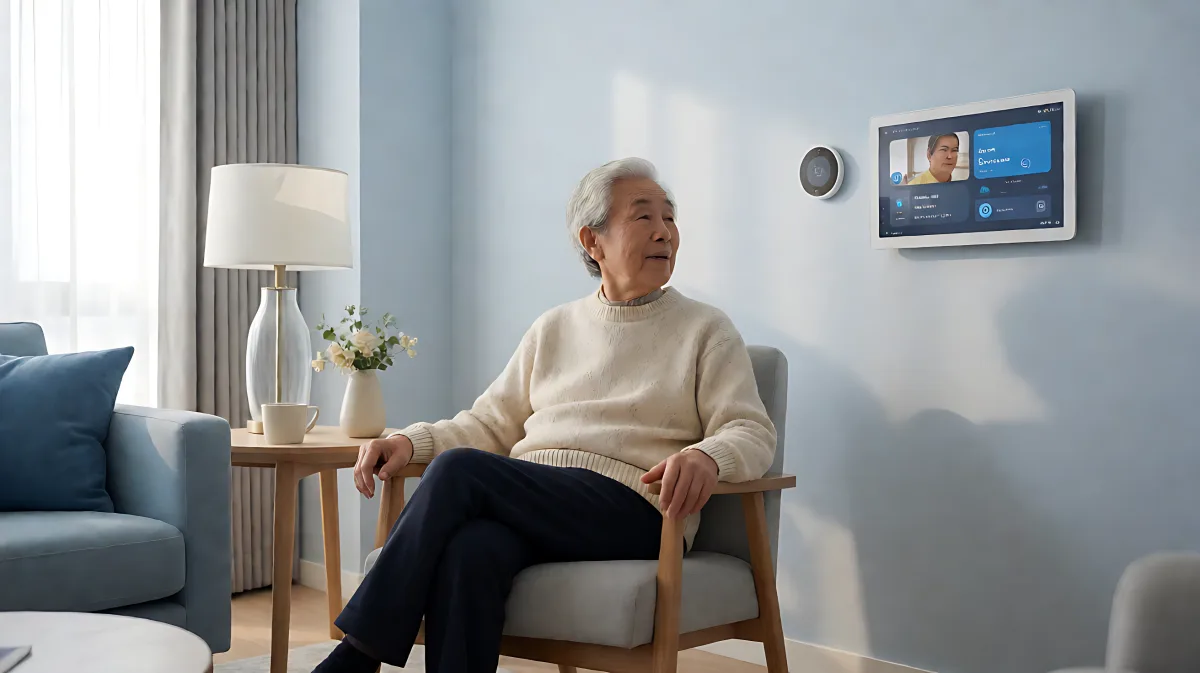
Explore how voice-controlled smart home systems enhance safety and independence for individuals with dementia. This guide covers key technologies, setup tips, and expert recommendations for 2026.
Voice-activated home automation allows individuals living with dementia to control essential home features like lighting, heating, and security systems using simple spoken commands. By reducing the need for complex physical interactions, these tools promote greater independence while maintaining safety. In 2026, integration with artificial intelligence has made these systems more responsive and easier to set up, making them a critical component of home-based care strategies in the US and UK.
Why Voice Control Matters for Dementia Care
As cognitive functions change, managing multiple switches, remotes, or apps can become overwhelming or confusing for people with dementia. Voice assistants offer a consistent interface that relies on routine and repetition, which are often preserved longer in the disease progression. The American Occupational Therapy Association emphasizes that occupational therapists use such assistive technologies to modify environments and promote access, helping clients match specific goals to available tools. By enabling users to control devices from their location, these systems reduce the physical and mental effort required for daily activities, thereby supporting a higher quality of life.
Key Components of a Voice-Activated Smart Home
Building a supportive environment involves several key hardware and software elements working in concert. While a basic DIY setup might use a microcontroller like an Arduino UNO with a Bluetooth module and relays, modern 2026 solutions typically rely on cloud-based ecosystems from major technology providers. These ecosystems allow for more complex logic, such as adjusting settings based on time of day or room occupancy.
- Smart Speakers and Displays: Devices like Amazon Echo or Google Nest act as the central voice hub, interpreting commands and controlling other devices.
- Smart Lighting: Smart bulbs and switches can adjust brightness and color temperature to reduce glare and support circadian rhythms, which are often disrupted in dementia patients.
- Thermostats and HVAC: Voice control of heating and cooling helps maintain a comfortable environment without requiring the user to navigate settings.
- Security Systems: Smart locks, cameras, and sensors can be monitored via voice or automated alerts, providing peace of mind for caregivers.
How Intelligent Automation Supports Daily Living
The core value of these systems lies in reducing barriers to daily living. For instance, a user can say “turn on the living room lights” instead of fumbling with switches that may have faded labels. In 2026, advanced AI features, such as those found in Google’s recent updates, can block spam calls and transcribe voicemails, which indirectly supports communication health. However, in a home automation context, the focus is on seamless execution of routine tasks. Occupational therapists often use frameworks like the SETT (Student, Environment, Task, Technology) framework to evaluate which specific technologies best fit an individual's needs. This personalized approach ensures that the tools are not just present, but are actually usable and beneficial.
Setting Up a Dementia-Friendly Environment
Success in deployment depends on thoughtful configuration. Caregivers should simplify the voice command structure, using clear and consistent phrasing. For example, labeling devices with specific, unambiguous names like “Kitchen Light” or “Front Door Lock” avoids confusion with generic terms. It is also crucial to disable complex features that might startle or confuse the user. The Rehabilitation Engineering and Assistive Technology Society of North America (RESNA) advocates for advanced training for professionals to ensure these technologies are implemented ethically and effectively.
Considerations for Safety and Privacy
While these systems enhance independence, they also raise privacy concerns. Microphones that are always listening can be invasive. In 2026, many manufacturers offer “microphone mute” buttons and clear privacy policies. Caregivers must balance the utility of constant availability with the need for personal space. Additionally, ensuring that the home Wi-Fi network is secure is paramount, as connected devices increase the attack surface for cyber threats. Regular updates to firmware and security protocols are necessary to protect sensitive health data.
Is voice-activated home automation suitable for all stages of dementia?
It is generally most effective in the early to middle stages of dementia, when verbal abilities remain largely intact and users can understand the concept of responding to spoken commands. In advanced stages, the system may become less effective as users may struggle to formulate coherent commands or recognize the connection between their speech and the device's action. Caregivers should monitor effectiveness over time and adjust expectations accordingly.
What are the best brands for dementia-friendly smart home devices in 2026?
While specific brand superiority varies by individual preference, devices that offer a unified ecosystem are often preferred. Major players include Amazon, with its Alexa-enabled devices, and Google, with its Nest and Home devices. These platforms offer robust integration between lighting, security, and climate control. For specific assistance, consulting with an occupational therapist who specializes in geriatric care can help identify which ecosystem best aligns with the user's specific cognitive profile and home infrastructure.
How much does a basic voice-activated smart home setup cost?
Costs vary widely depending on the scope of integration. A basic setup including a smart speaker, two smart bulbs, and a smart thermostat can range from $100 to $300 USD (or £80 to £250 GBP). More comprehensive systems that include smart locks, video doorbells, and extensive lighting controls can exceed $1,000 USD (or £800 GBP). In 2026, many manufacturers offer bundle discounts and subscription services that include professional installation and support, which can affect the total cost of ownership.
Can these systems help with medication reminders?
Yes, many smart speakers and home automation hubs in 2026 feature built-in medication reminder functions. These can be integrated with the broader home automation system to provide multi-sensory alerts, such as turning on a specific light or playing a sound when it is time to take medication. This adds another layer of support for daily routines, helping to prevent missed doses which is a common challenge in dementia care.