What Is GAP Insurance? Coverage Guide 2026
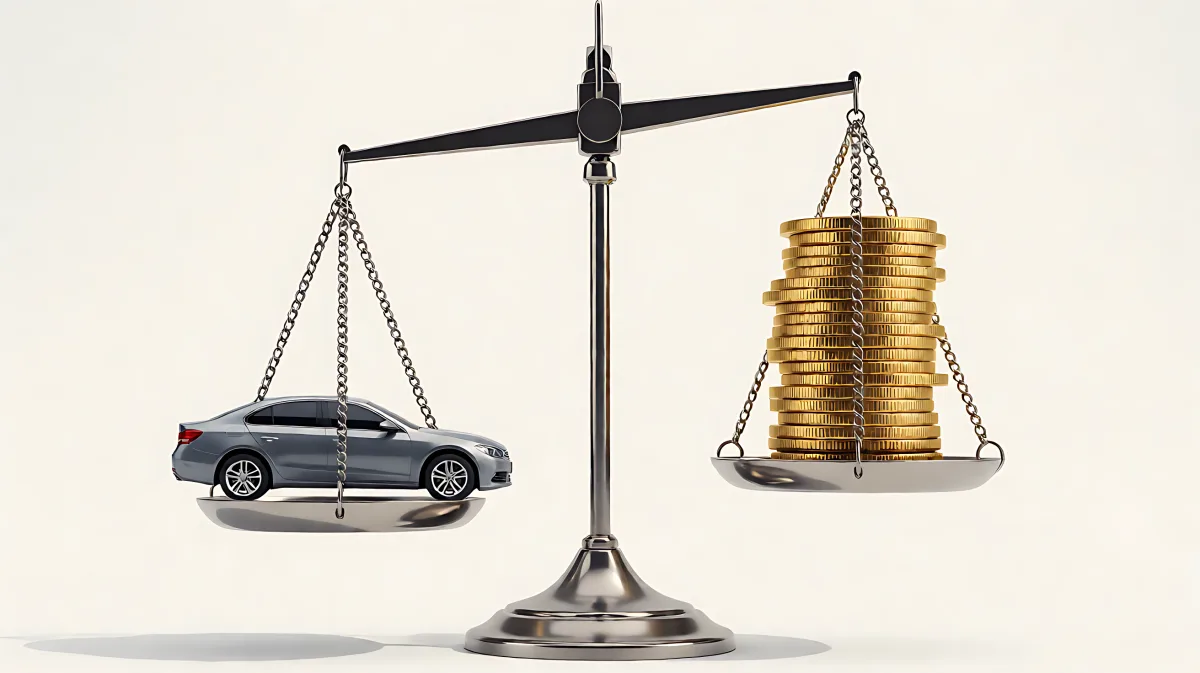
GAP insurance pays the difference between what you owe on a car loan and what your standard auto insurance pays out after a total loss. It is a critical safety net for new vehicle owners but comes with significant pricing variations depending on where you buy it.
Guaranteed Asset Protection, or GAP insurance, closes the financial hole between your outstanding car loan balance and the actual cash value your insurer pays after a total loss. If your vehicle is written off early in a loan term, standard coverage may not pay off the bank, leaving you liable for thousands in debt. GAP coverage steps in to pay that remaining difference, protecting your credit and preventing a situation where you owe more than the car is worth.
How Does GAP Insurance Work in a Total Loss?
When you finance a vehicle, it depreciates rapidly, often losing 20% of its value within the first year of ownership. Standard comprehensive and collision insurance pays out based on the vehicle's actual cash value at the time of the accident, not the amount you owe. This creates a liability risk known as being 'upside down' or 'underwater' on a loan. For example, if you owe $25,000 on a car that is only worth $18,000 after an accident, your standard insurer pays $18,000 to the lienholder, and you are still responsible for the remaining $7,000. GAP insurance covers that specific $7,000 difference.
According to financial industry data, this type of coverage is primarily designed for vehicles with low down payments, high-interest financing, or loan terms extending beyond 60 months. While some policies include optional coverage for the deductible on your primary auto policy, the core function remains bridging the debt-versus-value gap. In the UK and US markets, this product is often bundled with auto insurance or sold through finance companies.
Dealer Packages vs. Insurer-Added Coverage
One of the most significant cost variations in this sector occurs at the point of sale. Vehicle dealerships frequently sell GAP coverage as part of a pre-installed maintenance or service package. However, independent consumer reviews and financial analyses suggest that these dealer-marked packages can be significantly more expensive than adding the same coverage directly to your existing auto insurance policy.
Case studies from recent consumer reports indicate that a dealer might charge approximately $750 to $1,000 for GAP coverage on a mid-sized sedan. In contrast, the identical coverage added to a standard policy through a major insurer like Allstate or Geico may cost less than $120 over the life of the loan. The discrepancy arises because dealerships mark up the premium to generate immediate profit, while insurers sell the policy based on actuarial risk. If you purchase through a dealer, ensure you understand that the cost is often financed into your loan, increasing your total interest payments.
Is GAP Insurance Required by Lenders?
While GAP insurance is technically optional for most consumers, many financing companies and lease contracts require it as a condition of approval, particularly if the down payment is less than 10% of the vehicle's price. In the United States, the Truth in Lending Act provides protections for consumers; if the GAP premium was not required by the creditor and was not disclosed in writing, it may be excluded from your total financial charges. However, once you sign, the cost is locked in.
In the UK, while similar principles apply, there are no specific federal mandates forcing dealers to offer the product, but lenders retain the right to demand it. State-level regulations in the US also vary; some states require dealers to disclose that the purchase of GAP coverage is optional, while others, like Louisiana, mandate specific signed disclosure documents. Always read the fine print to determine if you are being forced into a package that you did not explicitly request.
When Should You Cancel GAP Coverage?
GAP insurance is most valuable during the first two to three years of a loan. As you make monthly payments and the vehicle continues to depreciate, your loan balance will eventually fall below the car's market value. Once this crossover point is reached, your standard insurance payout will fully cover the remaining debt, making GAP coverage redundant.
For a standard 60-month loan, this crossover often occurs around the 30-month mark. Canceling at this stage can save you hundreds of dollars in unused premiums. Since GAP is typically paid upfront or financed over the loan term, most policies allow for a pro-rated refund of the unused portion if you terminate the coverage early. It is prudent to track your equity regularly to identify the optimal time to drop the add-on.
Frequently Asked Questions
Does GAP insurance cover the deductible?
Not all policies do. Standard GAP coverage only pays the difference between the loan balance and the insurance settlement. You must specifically select a deductible waiver add-on if you want the policy to cover your comprehensive or collision deductible, which can range from $500 to $1,000 depending on your primary policy terms.
Can I buy GAP insurance after signing the loan?
Yes, you can add it later through your auto insurance provider or an independent broker. However, if you declined it at the dealership, you cannot retroactively add the dealer's version. It is generally cheaper to add it via your insurer, but be aware that some lenders may have a window of time during which they require the coverage to be in place immediately upon loan origination.
What happens if I sell the car before the loan ends?
If you sell or refinance the vehicle, the GAP coverage is typically voided because the original loan is closed. If the premium was paid upfront, you are usually entitled to a refund for the unused months. If it was financed into the loan, the refund will reduce your final payoff amount. Do not assume the coverage transfers to a new vehicle without explicitly enrolling it.