Stroke Recovery Tech Careers at Home
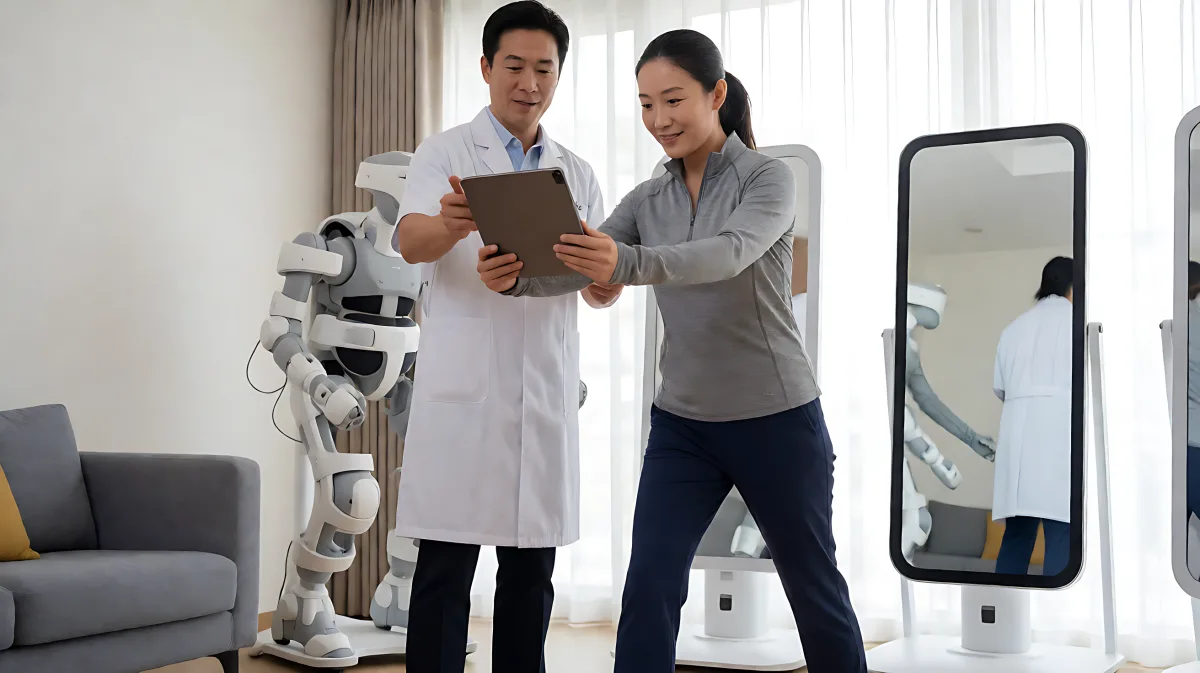
The intersection of assistive technology and home-based care is opening up specialized career paths in stroke rehabilitation, offering professionals opportunities to lead personalized recovery programs using advanced digital tools.
Rehabilitation technology enables stroke survivors to relearn essential skills like walking, eating, and speaking within their own homes, thereby increasing independence. This shift has generated demand for specialized professionals who can manage these tech-integrated care plans. Careers in this sector, such as Stroke Recovery Specialists, focus on leveraging digital tools to monitor progress and coordinate care between hospitals and patient residences.
What is the current state of home stroke rehabilitation technology?
Modern rehabilitation tools have evolved beyond simple physical aids to include sophisticated digital ecosystems. The American Stroke Association highlights that technology assists in relearning basic functions while improving strength, flexibility, and endurance. Today, home-based systems often involve telehealth platforms, sensor-based movement analysis, and smart devices that track vital signs and medication adherence. For healthcare professionals, this means the job scope now includes digital literacy and data interpretation alongside traditional clinical skills. The integration of these tools allows for continuous monitoring between clinic visits, providing a richer picture of patient recovery for the care team.
Why are specialized career roles emerging in neuro-rehab?
As technology becomes more central to recovery, healthcare organizations are creating specific job titles to manage the complexity. A notable example is the Stroke Recovery Specialist role, often filled by registered nurses with certifications in rehabilitation or stroke care. These professionals are responsible for conducting comprehensive assessments, often utilizing standardized tools like the NIH Stroke Scale, and coordinating with physical, occupational, and speech therapists. The role requires a blend of clinical expertise and patient education, as specialists must teach families how to use technology to prevent secondary strokes and manage lifestyle changes. According to job listings from organizations like the All Seniors Foundation in Los Angeles, these positions are becoming increasingly common, particularly in urban centers with large senior populations.
What are the compensation and benefits for these roles?
Specialized stroke rehabilitation roles typically come with competitive salaries that reflect the demand for niche expertise. For instance, the All Seniors Foundation, a 501(c)(3) non-profit in Los Angeles, lists a salary range of $75,000 to $105,000 for their Stroke Recovery Specialists. Beyond base pay, these roles often include benefits such as health, dental, and vision coverage, as well as 401(k) matching. Furthermore, many employers now fund professional development, including certification fees for credentials like CRRN (Certified Rehabilitation Registered Nurse) or SCRN (Stroke Certified Registered Nurse). The mix of home visits, telehealth, and clinic coordination makes these roles appealing to professionals seeking variety and direct patient impact without the long hours typical of hospital settings.
How do therapists support patients with technology access?
Rehabilitation technology can vary widely in cost, making access a critical part of the clinical journey. Occupational therapists and other rehab professionals often guide patients in navigating funding sources. They assist in identifying which devices are eligible for reimbursement under specific insurance policies or state Medicaid programs. There are 56 statewide Assistive Technology Programs in the United States that operate on government grants, providing resources for trials and purchases. Specialists in this field often collaborate with manufacturers to secure financial assistance or direct patients to community-based agencies that offer grants for expensive devices. This advocacy role is a key component of modern rehab careers, requiring persistence and knowledge of the fragmented funding landscape.
What skills are essential for a career in tech-enabled rehab?
Success in these roles requires a combination of clinical proficiency and digital adaptability. Candidates must hold current licenses in their respective fields, such as a registered nurse license in California for neuro-rehab roles, and possess experience in stroke or neurologic care. Strong communication skills are vital, as specialists frequently educate patients and caregivers on complex medical information and device usage. Additionally, the ability to coordinate with multidisciplinary teams, including cardiologists and pharmacists, is crucial for managing comprehensive care plans. Employers value candidates who can navigate electronic health record systems and contribute to quality metrics, ensuring that data from home technology translates into improved patient outcomes.
FAQ
What is the average salary for a stroke recovery specialist?
Salaries for stroke recovery specialists vary by location and experience, but roles in major metropolitan areas like Los Angeles typically range from $75,000 to $105,000 annually. This compensation often includes benefits and opportunities for funded professional certifications, reflecting the specialized nature of the work.
Do stroke rehabilitation roles require specific certifications?
While a standard license in nursing or therapy is required, certifications such as CRRN (Certified Rehabilitation Registered Nurse) or SCRN (Stroke Certified Registered Nurse) are highly preferred. Many employers offer to pay for these credentials, which can significantly boost a candidate's competitiveness in the job market.
How does technology change the job duties of a rehab therapist?
Technology shifts the focus from episodic clinic visits to continuous, home-based support. Therapists now spend more time analyzing data from wearables and smart devices, coordinating remotely via telehealth, and educating families on using digital tools to maintain progress. This requires strong digital literacy and skills in remote patient monitoring.
Who pays for rehabilitation technology at home?
Costs are typically shared among insurance providers, state Medicaid programs, and non-profit funding agencies. Specialists often help patients identify reimbursement pathways and connect with one of the 56 statewide Assistive Technology Programs that offer trial periods and grants to make expensive devices accessible.