Elderly Career Transition Guide
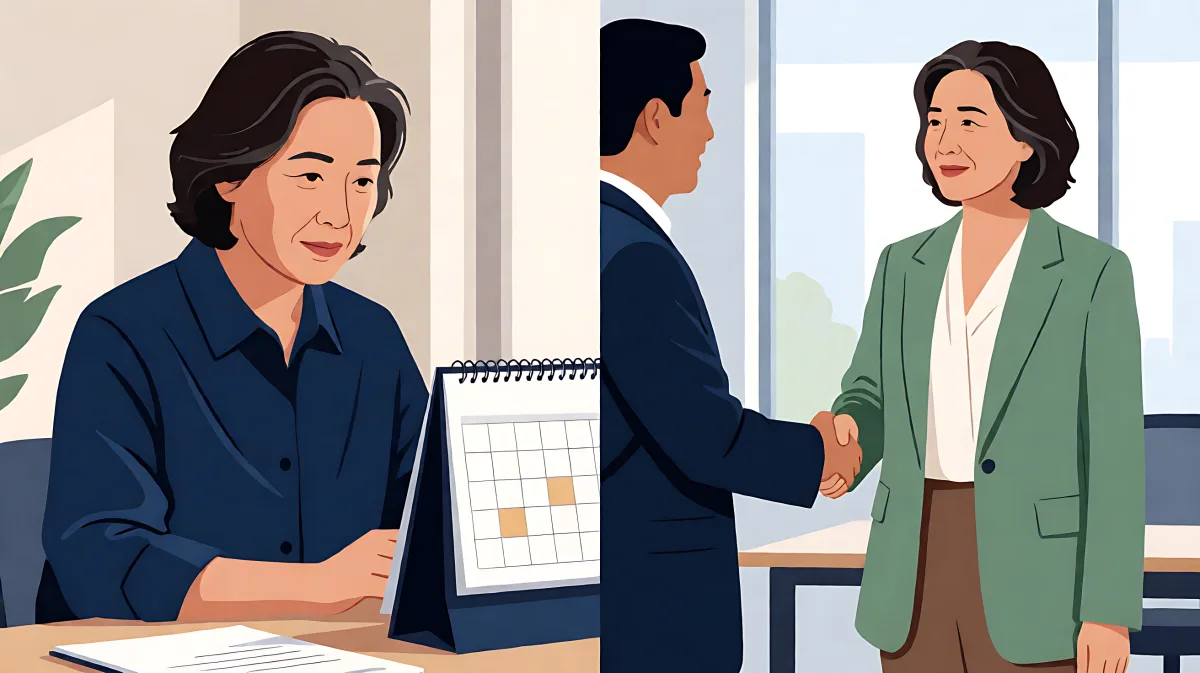
With nearly a quarter of the workforce aged 55 or older, late-career moves are normal. Discover how to plan a successful transition using data-driven strategies, skill audits, and phased retirement models.
For many professionals approaching their late 50s and 60s, the question is no longer whether to retire, but how to structure the next phase of work life. In 2026, career transition planning for older adults focuses on flexible arrangements, such as phased retirement or 'bridge employment,' rather than a complete exit. This approach allows workers to maintain income, purpose, and social connection while adapting to changing health and financial needs.
Why Career Transitions Are Happening Later Than Before
The landscape of work has shifted significantly. According to the U.S. Bureau of Labor Statistics, nearly 25% of the labor force is now aged 55 or older. This demographic surge is driving a cultural change where longevity is the norm, not the exception. Many families assume that retirement means immediate and total cessation of work, but in fact, data from the Transamerica Center for Retirement Studies indicates that over 33% of workers age 50 and older expect to continue working in some capacity after their primary career ends. This 'unretirement' trend is fueled by financial caution, the desire for intellectual stimulation, and the rise of the 100-year life, a concept popularized by the Stanford Center on Longevity.
What Role Do Employers Play in Supporting Older Workers?
While individual workers are driving these transitions, employers are increasingly recognizing the need for structured support. Currently, only about one in six workers have access to retirement-oriented lifestyle and transition planning resources from their employers. This gap presents an opportunity for individuals to take proactive steps. Career development experts recommend that workers initiate conversations with their organizations three to five years before their planned retirement date. This early timeframe allows for a holistic plan that integrates financial readiness with career exploration. For those already past the start line, it is never too late to seek out one-on-one career development discussions or internal assignments that offer variety and fresh challenges.
How Do You Prepare Your Skills and Resume for a New Role?
One of the most common mistakes in senior career planning is assuming that past experience is automatically transferable without effort. In reality, job search skills often atrophy during long tenures. To counter this, older professionals should engage in 'reskilling' or 'upskilling' to bridge the gap between their legacy expertise and modern demands. A 2026 survey of hiring managers suggests that while 87% report that employees aged 45 and older perform as well as or better than younger workers, a significant portion still cite perceived technology gaps as a barrier. Therefore, demonstrating current digital proficiency is essential. Update your resume to highlight recent learning milestones, such as new software certifications or project management methodologies, alongside your deep industry knowledge. Position yourself not as someone who is 'too old' for new tools, but as an experienced professional who adapts quickly.
What Is a Phased Retirement and How Does It Work?
Phased retirement, also known as bridge employment, is a transition model where full-time work shifts to part-time roles, self-employment, or temporary contracts. This allows workers to adjust to the retirement lifestyle gradually. According to career theory practitioner Primavera, approximately 40% of individuals in their first two years of retirement struggle to fully adapt to the loss of work structure. Phased retirement mitigates this risk by maintaining a routine and social connection. If you are considering this path, start by identifying which aspects of your current role you genuinely enjoy and which you find draining. Create a list of tasks you wish to retain in a reduced capacity. For example, a senior executive might move to a fractional advisor role, dedicating 10 hours a week to strategic consulting instead of 50 hours of management. This preserves income and status while freeing up time for personal pursuits.
How Can You Manage the Financial Side of a Career Change?
Financial stability is the backbone of a successful transition. Before pivoting to a lower-paying but more fulfilling role, you must assess your runway. Calculate your retirement savings and project your income needs for the next decade. It is critical to consider long-term care costs as well. The U.S. Department of Health and Human Services reports that 56% of people turning 65 can expect to need some form of long-term care in their lifetime. When planning your new career trajectory, factor in the cost of potential care insurance or savings needed for assisted living. Consulting with a financial advisor who specializes in pre-retirement planning can help you structure your investments to support a flexible work schedule rather than a rigid one.
What Steps Can You Take in the Next 30 Days?
Strategic planning requires immediate action. Use this checklist to kickstart your transition process:
- Conduct a Skills Audit: List your top five core competencies and identify two new skills that are trending in your desired industry (e.g., data literacy, AI tools, or remote team management).
- Update Your Digital Presence: Rewrite your LinkedIn summary to reflect your current goals, emphasizing adaptability and mentorship rather than just tenure.
- Explore Phased Options: Speak with your HR department or manager about potential part-time roles, fractional positions, or mentorship programs available within your current organization.
- Calculate Your Numbers: Determine the minimum income you need to maintain your lifestyle and compare it against potential part-time or consulting rates.
- Network for Insight: Reach out to three professionals in your target field who are in their 60s to ask about their daily routines and how they balance work with personal time.
Why Is Mindset Crucial in a Senior Career Transition?
Many older workers fall into the trap of viewing themselves as in decline. Research from AARP shows that 65% of workers 55 and older report being extremely or very satisfied with their jobs, higher than younger generations. This suggests that satisfaction is not age-dependent but rather dependent on alignment with one's values. To overcome the 'I am too old' narrative, adopt a 'Modern Elder' mindset. This framework, popularized by leadership coach Chip Conley, positions experienced workers as assets who bring emotional intelligence and pattern recognition to the table. Instead of competing with younger workers on speed or energy, compete on wisdom, stability, and mentoring. This shift in perspective can reduce anxiety and increase confidence in job interviews.
FAQ
Is it too late to change careers at age 60? No. With life expectancy increasing, a 60-year-old today can expect to work for another 10 to 15 years. Many successful career changers in this age group focus on consulting, teaching, or role-specific contributions that leverage decades of experience rather than starting from scratch in a high-growth tech field.
What is the average cost of a career transition plan? Costs vary widely. Employer-sponsored programs are free for the employee. Hiring a private career coach for older adults may range from $200 to $500 per hour. However, many resources, such as AARP Foundation’s BACK TO WORK 50+ program, offer free workshops and coaching sessions that have helped over 100,000 individuals find new employment.
How do I overcome age discrimination in job interviews? Frame your experience as an advantage. Highlight recent achievements that demonstrate current skill sets, such as using modern project management tools or leading diverse teams. During interviews, ask questions that focus on collaboration and long-term value, signaling that you are adaptable and committed to the team’s success, not just seeking a job.