Protecting Yourself from AI Deepfake Phishing Attacks
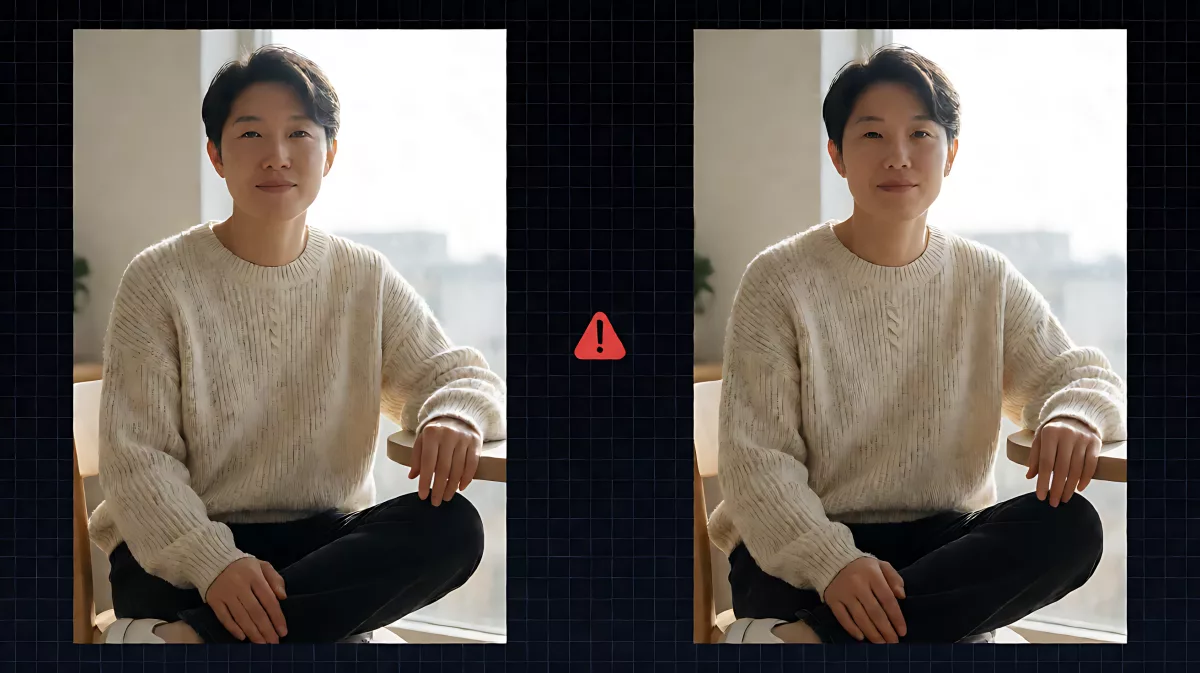
Phishing has evolved. AI-generated deepfakes now mimic your loved ones and bosses with terrifying accuracy. Here is how to recognize synthetic media and protect yourself from these highly personalized cyber attacks.
Phishing attacks in 2026 are no longer just typos in emails; they are hyper-realistic video calls and voice messages generated by AI. These synthetic media attacks use deepfakes to mimic trusted individuals, bypassing traditional security instincts. To protect yourself, establish a family or corporate safe word, verify urgent requests through a secondary channel, and limit the amount of public audio data available for voice cloning tools.
What Makes AI Deepfake Phishing Different?
Traditional phishing relies on impersonation through text or static images, which often contain obvious errors. Today’s attacks leverage generative AI to create dynamic, interactive media. Criminals can now clone a voice using just 15 to 30 seconds of public speech, such as from a podcast or social media clip. As reported by security firms, these tools allow attackers to produce audio indistinguishable from the original speaker, even over standard phone lines. This removes the "human touch" that usually triggers suspicion. Furthermore, real-time face-swap technology enables scammers to appear on video calls, sustaining a conversation for minutes while running multiple scams simultaneously.
Why Do These Attacks Target Ordinary People?
Attackers no longer need to be high-level executives to target you. The rise of cheap, open-source deepfake generation tools means that even small-scale criminals can customize attacks. They scrape public data from social media platforms to learn your habits, family structure, and communication style. This allows them to craft highly personalized scenarios, such as a fake emergency involving your specific location or a relative’s specific phone number. The goal is to overwhelm your cognitive defenses with urgency and familiarity, forcing a fast reaction before you can verify the source.
How Do Criminals Execute Deepfake Attacks?
Execution has become more automated. Microsoft’s Digital Defense Report 2026 highlights how agentic AI compresses the hacking timeline, allowing attacks to be launched within hours rather than days. In the case of voice phishing, known as vishing, scammers use the cloned voice to call you, often playing emotional pressure cards. They might sound exactly like your boss requesting an urgent wire transfer, or like a child crying for help. The audio is often synthesized in real-time to respond to your prompts, creating the illusion of a two-way conversation. Video calls add another layer, where the attacker uses pre-recorded loops or live processing to mimic facial expressions and speech patterns.
What Are the Common Red Flags?
- Urgency and Secrecy: The attacker rushes you to act immediately and asks you not to tell others.
- Unusual Request Context: A request for money or credentials that deviates from standard protocols.
- Background Discrepancies: In video calls, lighting or backgrounds may shift awkwardly when the camera angle changes.
- Audio Artifacts: While compression hides glitches, listening for robotic pacing or unnatural silence can be telling.
How Can You Protect Your Family?
For households, the primary risk is voice cloning of children or parents. Establish a family safe word immediately. This should be a random, uncommon word known only to family members. If someone calls claiming to be in distress, ask for the safe word. Since the AI cannot know the word, the scam fails instantly. Additionally, review your social media privacy settings. Limit the number of videos where family members speak clearly. The more public audio data you provide, the easier it is for criminals to build a high-fidelity voice clone. Teach family members that no matter how real the voice sounds, any request for money or sensitive data must be verified via a known, secondary contact method.
What About Protecting Business Assets?
Businesses face higher stakes, often in the form of CEO fraud. Companies like Ferrari and WPP have reported targets of such schemes. To mitigate this, implement multi-layered authentication for financial transactions. A single phone call, no matter how convincing, should never be enough to authorize a large transfer. Require written confirmation through a secure internal system or a callback to a known, verified number. Regularly audit who in your organization has access to recording tools or AI platforms that might inadvertently leak sensitive audio data. Training employees to recognize the "perfect" email or call is less effective than teaching them to trust processes over personalities.
Why Do Traditional Detection Tools Fail?
Many consumers and businesses rely on software detectors to spot deepfakes. However, these tools are often reactive. Generators update frequently, adding new artifacts that detectors are not yet trained to recognize. Compression algorithms used by platforms like WhatsApp or Zoom strip out the forensic traces that detection software hunts for. As of 2026, experts advise that technology cannot be your primary defense. Human verification protocols are superior. The "4-second rule"—pausing for four seconds before responding to a shocking or urgent message—breaks the psychological pressure and allows you to switch to a verification mode.
What Is the Best Long-Term Strategy?
Adopt a culture of healthy skepticism. Assume that any digital media can be synthetic until proven otherwise. This does not mean living in fear; it means changing your verification habits. For organizations, this involves updating security awareness training to include simulations of AI-generated attacks. For individuals, it involves maintaining clear, offline verification channels. The key is to decouple trust from sensory input. You can trust a process, but you cannot always trust a voice or a face in the digital realm.
Frequently Asked Questions
Can I detect a deepfake voice by listening to it?
It is increasingly difficult. High-quality AI voice clones are designed to sound natural. Instead of listening for glitches, look for contextual mismatches, such as urgent demands or secrecy. Always verify through a separate, trusted channel.
How much audio data do scammers need to clone a voice?
Current AI tools require as little as 15 to 30 seconds of clean audio. This can be sourced from public social media posts, podcasts, or voicemail greetings. Limiting public voice data reduces this risk.
Does multifactor authentication stop deepfake phishing?
MFA helps against credential theft but does not stop social engineering. A scammer with a cloned voice might ask for your MFA code during a fake support call. Never share codes or verify identity via phone if the request was not initiated by you through a known channel.
What should I do if I receive a deepfake threat?
Do not engage or transfer money. Hang up and call the person back using a verified phone number you already have. If it is a financial fraud attempt, report it to local authorities and your organization’s security team immediately.