What Is Social Prescribing? A Guide for Older Adults
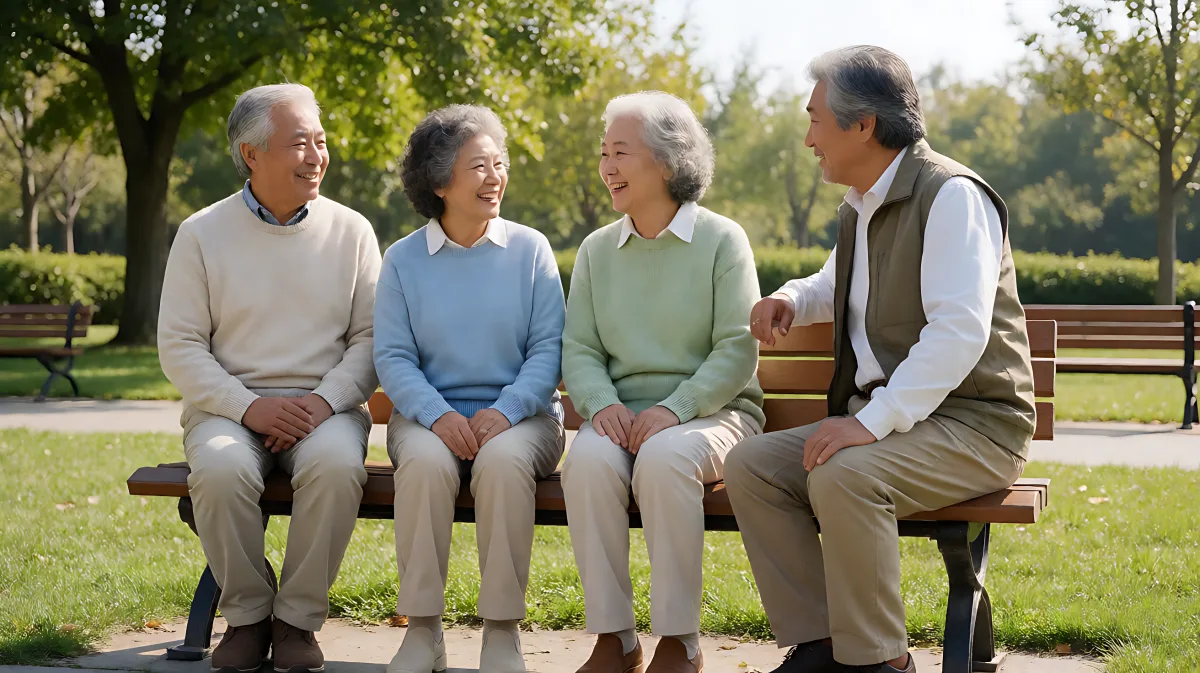
Social prescribing is a healthcare approach where doctors refer patients to community activities. It is becoming a vital tool for reducing loneliness among older adults and improving physical health.
Social prescribing is a healthcare strategy where clinicians refer patients to community-based activities and social support networks to improve their well-being. For older adults struggling with isolation, this approach offers a practical path to rebuilding social connections through groups, arts, and nature. It treats loneliness not just as a feeling, but as a health risk that requires active intervention.
What is social prescribing in healthcare?
Social prescribing, often called non-medical prescribing, moves beyond pills and procedures to address social determinants of health. Instead of asking what is wrong with you, a provider asks what matters to you. The goal is to connect the patient with local resources that boost their mood, energy, and sense of belonging. This model originated in the United Kingdom, where the National Health Service has been funding link workers to facilitate these referrals. In the United States, the approach is gaining rapid momentum, with approximately 250 providers currently utilizing social prescribing strategies to support patient recovery and maintenance of health.
How does it differ from traditional therapy?
Traditional therapy focuses on processing emotions through dialogue and clinical techniques. Social prescribing focuses on engagement. It is not intended to replace clinical care but to complement it. While a therapist might help a patient understand their grief, a social prescriber helps that patient find a garden club, a choir, or a walking group where they can share that experience with others. The evidence suggests that this active participation in community life yields measurable benefits in cardiovascular health, mental stability, and functional independence.
Why is senior loneliness a health crisis?
Loneliness is no longer viewed merely as a temporary inconvenience; it is a public health emergency. Data from the John A. Hartford Foundation indicates that more than one in three older adults report experiencing loneliness. When social isolation persists, the physical toll is severe. Research consistently links chronic loneliness to a heightened risk of depression, cardiovascular disease, and even dementia. The American Medical Association notes that socially isolated patients often present with treatment-resistant symptoms, such as abnormal blood pressure and poor sleep, which are difficult to resolve without addressing the root social cause.
What are the physical consequences of isolation?
- Cardiovascular Strain: Loneliness has been compared to smoking in its ability to increase the risk of heart disease and stroke.
- Immune System Suppression: Chronic isolation is linked to increased inflammation in the body, making older adults more susceptible to infections.
- Functional Decline: Without social encouragement to stay active, older adults face a higher risk of disability and a faster transition into costly nursing home care.
What activities are included in a social prescription?
Prescriptions are highly personalized, tailored to the patient's specific interests and physical abilities. There is no one-size-fits-all list, but common referrals include:
- Movement and Exercise: Group cycling classes, water aerobics, or guided walking groups that combine physical activity with camaraderie.
- Arts and Culture: Museum tours, painting workshops, music ensembles, or theater productions that stimulate cognitive function and creativity.
- Volunteering and Service: Opportunities to contribute to community gardens, food banks, or library programs, which provide a sense of purpose.
- Nature Immersion: Forest bathing, birdwatching groups, or gardening clubs that reduce stress hormones through exposure to green spaces.
How does a provider determine the right fit?
The process begins with a conversation about joy. A provider might ask, “What did you love doing as a child?” or “What activities make you lose track of time?” For a patient who enjoyed painting in their youth, a referral to a local community art center might be prescribed. For someone who misses the structure of a workplace, a mentoring role with a local school or non-profit might be the ideal match. The key is moving the patient from passive isolation to active participation.
How is social prescribing changing in the US?
In the United States, social prescribing is evolving from a niche practice into a mainstream component of integrated care. Health insurers are beginning to play a role in covering these costs. For example, some insurance companies have partnered with performing arts centers and community organizations to subsidize access for their members. This financial support removes a major barrier for older adults on fixed incomes. Additionally, technology is playing a role; digital platforms are helping to match patients with nearby groups, reducing the logistical hurdle of finding local opportunities.
What role do link workers play?
A critical component of successful social prescribing is the link worker or navigator. These are not traditional medical staff but rather trained facilitators who help patients connect with the community. They assist with practical barriers like transportation or finding group schedules. They also provide follow-up support to ensure the patient remains engaged. Without this human bridge between the clinical setting and the community activity, many prescriptions go unfilled due to logistical confusion or social anxiety.
Can social prescribing replace medical treatment?
Experts emphasize that social prescribing is a complement, not a replacement, for standard medical care. Patients with chronic conditions like Type 2 diabetes or heart disease should continue taking their prescribed medications. However, the social and physical activities embedded in a social prescription can enhance the effectiveness of those medications. For instance, a group exercise program for a diabetes patient may improve blood sugar control more effectively than medication alone by adding accountability and consistent movement. The aim is holistic health, where the mind, body, and social sphere are treated together.
What are the long-term benefits?
Long-term adherence to social activities leads to a more engaged, physically capable, and emotionally resilient older adult. Participants often report a reduction in pain perception and an improvement in sleep quality. Perhaps most importantly, they report a shift in identity. They move from being a passive recipient of care to an active member of a community. This shift in mindset is crucial for maintaining autonomy and delaying the need for institutional care.
FAQs About Social Prescribing
Who is eligible for a social prescription?
Any patient experiencing social isolation, loneliness, or stress-related symptoms can be a candidate. It is particularly effective for older adults, individuals with chronic conditions, and those going through life transitions such as retirement or bereavement. Your healthcare provider can assess if this approach suits your current health status.
How can I start this process with my doctor?
During your next annual check-up, ask your provider about social prescribing programs in your area. If your doctor is not familiar with the concept, you can ask about community health workers or link workers associated with your healthcare system. Mention that you are interested in non-medical strategies to improve your well-being.
Is social prescribing free?
Costs vary by location and program. In the United Kingdom, the National Health Service covers many link worker costs. In the United States, some programs are free, while others may have participation fees. Some health insurance plans now offer reimbursements for specific community-based wellness activities, so it is worth checking your policy benefits.
What if I do not like the suggested activity?
Social prescribing is iterative. If the first referral does not resonate with you, tell your link worker or provider. The goal is to find an activity that genuinely interests you. A painting class may not work, but a book club or a hiking group might be the perfect match. Persistence in finding the right fit is key to long-term engagement.