What Is Social Prescribing? A Guide for Older Adults
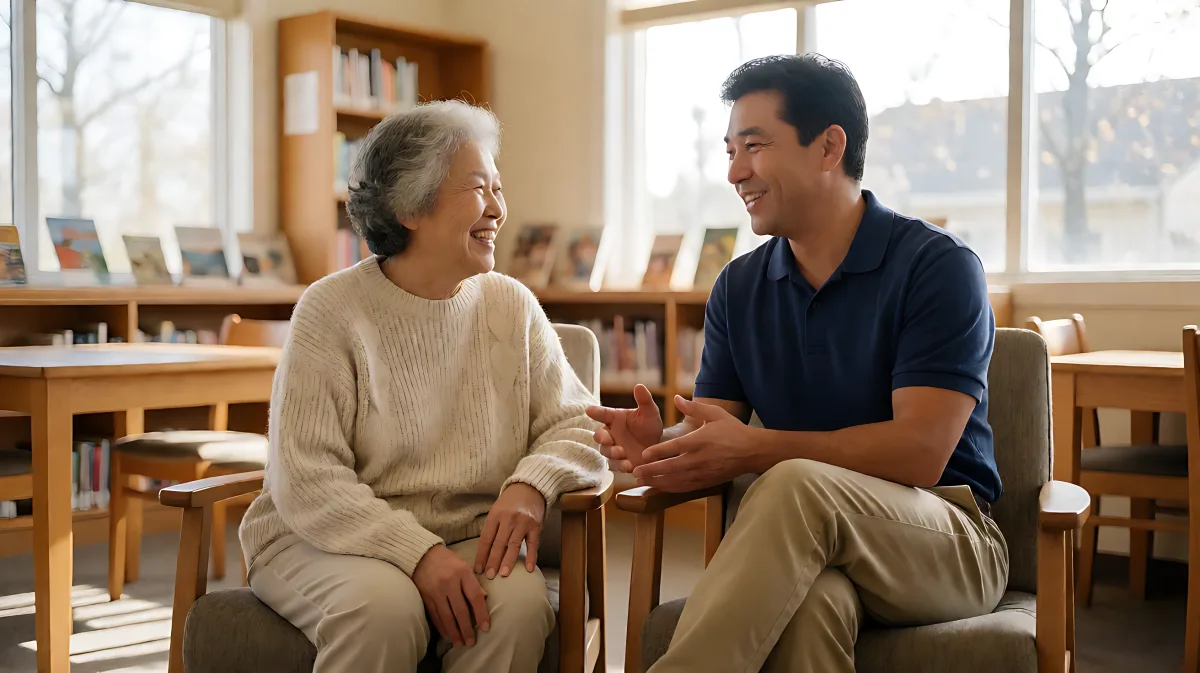
Discover how social prescribing works to combat loneliness. We explore the role of community connections, health system referrals, and practical support networks for older adults.
Social prescribing is a healthcare approach that connects people to community resources to improve their health. For older adults struggling with isolation, it involves referrals from doctors or nurses to local groups like museums, gardening clubs, or peer support networks. This strategy aims to reduce loneliness and strengthen social ties, offering a practical alternative to traditional medical treatment for social health needs.
What is social prescribing and how does it work?
Originating in the United Kingdom, social prescribing has gained significant traction globally, including in the United States. The process typically begins when a healthcare provider identifies a patient who would benefit from non-clinical support. Rather than just managing symptoms, the provider refers the individual to a community connector or navigator. These professionals help the patient assess their interests and goals, then create a personalized plan to connect them with local activities. This might include attending a group museum tour, joining a gardening society, or participating in resilience training. The key difference from standard referrals is the focus on ongoing engagement and social connection rather than just addressing an immediate functional need.
Who are the key players in a social prescribing model?
- Healthcare Providers: Doctors and nurses who identify the need for social support during routine visits.
- Community Navigators: Also known as link workers, these individuals act as the bridge between the patient and local resources. They monitor progress and ensure the person remains engaged.
- Community Organizations: Local museums, arts centers, food banks, and peer support groups that provide the actual social outlets.
Why is social connection a critical health priority?
Loneliness is not just an emotional state; it is a recognized public health concern. Research indicates that more than one in three older adults report experiencing loneliness, with similar numbers citing social isolation. These feelings are closely linked to adverse health outcomes, including depression, dementia, and premature death. The chronic stress associated with isolation can elevate cortisol levels, which in turn increases the risk of high blood pressure, reduced immunity, and other chronic diseases. Furthermore, social isolation is associated with higher rates of transition to costly nursing home care and increased spending on public health programs. By addressing the root cause—lack of connection—social prescribing offers a preventative measure that supports both mental and physical well-being.
How do institutions like museums support isolated older adults?
Cultural institutions have become vital partners in community health. For example, universities and public health organizations have developed "Museums on Prescription" schemes. These programs offer older adults the opportunity to connect with peers and engage in cultural activities specifically designed to combat solitude. Interactive displays and workshops allow participants to break out of isolation patterns and rebuild social confidence. Beyond on-site visits, many organizations have adopted outreach models where exhibits and educational materials are brought directly to care homes and day centers. This ensures that individuals with mobility issues or those living in remote areas can still access cultural enrichment. In some cases, residents are encouraged to create their own art, which is then displayed publicly, fostering a sense of pride and community recognition.
What kinds of community activities are most effective?
Effective social prescribing programs offer a diverse array of activities tailored to individual interests. While the specific options vary by region, common successful engagements include:
- Physical Movement: Gentle exercise groups or walking clubs that combine physical health with social interaction.
- Cultural Engagement: Attending art classes, theater productions, or guided museum tours to stimulate cognitive and emotional well-being.
- Nature and Gardening: Participation in community gardens or outdoor environmental groups, which provide a sense of purpose and connection to the natural world.
- Peer Support Services: One-on-one visits with trained companions who engage in conversation, games, or shared hobbies.
Compassionate senior care services also play a role here, offering personalized companionship and assistance with everyday tasks. These services focus on dignity and authentic connection, ensuring that the social aspect of care is not overlooked. Whether through professional navigators or dedicated companions, the goal remains consistent: to help older adults build a web of support that reduces feelings of being alone.
How can families and communities support social prescribing?
Success often depends on a coordinated effort between healthcare systems, local governments, and community volunteers. Policymakers are increasingly interested in funding these approaches because they can lower long-term healthcare costs by preventing the escalation of social and physical health issues. For families, encouraging older relatives to join local clubs or participate in community events can be a first step. It is also helpful to connect with local health plans that may already include social prescribing referrals. By recognizing loneliness as a health issue rather than a personal failing, communities can create environments where older adults feel valued, engaged, and connected.
What are the signs that social isolation is affecting health?
Signs include withdrawal from family and friends, loss of interest in previously enjoyed activities, and increased reports of anxiety or depression. If you notice these changes, it is worth speaking with a healthcare provider about potential social prescribing options or local resources that can help bridge the gap.
Frequently Asked Questions
Is social prescribing available in all US states?
No, availability varies by region. While the approach is growing globally and in the United States, it is not yet a standard part of every healthcare plan. Availability often depends on local healthcare networks and community organization partnerships.
Who pays for social prescribing services?
Many social prescribing programs are funded by public health initiatives, non-profit organizations, or integrated health plans. In some cases, the navigator role is covered by insurance or government grants, making the service accessible to participants at low or no cost.
Can social prescribing help with dementia?
While it is not a treatment for dementia, social engagement can help manage symptoms and improve quality of life. Staying socially active can slow cognitive decline and reduce behavioral symptoms associated with the condition, according to various health organizations.
How do I find a social prescriber in my area?
Start by asking your primary care provider about local community health worker programs. Many health systems have designated link workers or navigators. Additionally, local Area Agencies on Aging can provide information about community-based support programs in your region.