Social Isolation Recovery: Practical Rituals for Reconnection
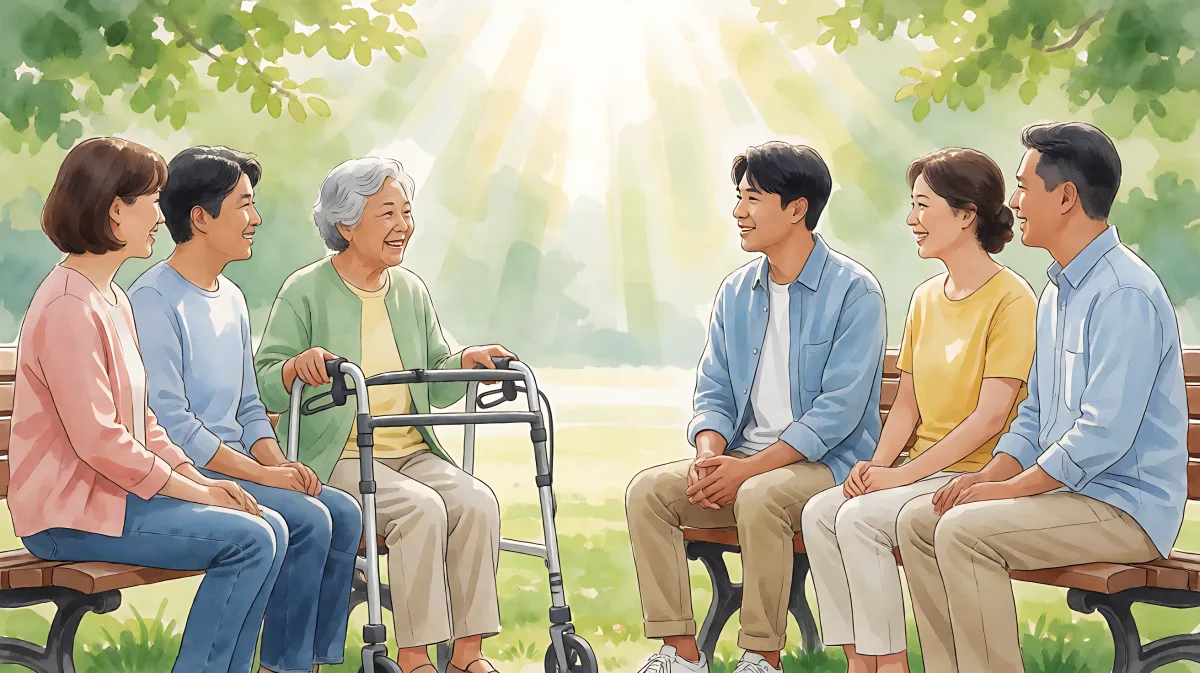
Social isolation affects millions, but recovery is possible. This guide breaks down practical, evidence-backed rituals to help you rebuild connection, whether you are an older adult recovering from a health crisis or a young professional feeling disconnected.
Social isolation recovery begins with recognizing that connection is a skill, not just a state of being. By implementing structured "micro-communities" and intentional social rituals, individuals can effectively combat loneliness and rebuild their support networks in 2026. For those recovering from health issues or feeling disconnected, these strategies bridge the gap between solitude and harmful isolation, fostering mental resilience and emotional well-being.
What is the difference between healthy solitude and harmful isolation?
It is crucial to distinguish between choosing to be alone and being forced into isolation. Solitude is a restorative state where individuals recharge, clarify goals, and deepen self-knowledge. It is often preferred by introverts who use quiet time to process experiences. However, social isolation describes a lack of social contact that is usually unwanted and linked to serious health risks, including stress-related illness and higher mortality. Loneliness, on the other hand, is the subjective feeling of distress caused by this gap between desired and actual social connection. Many people, including approximately 45% of adults in England who report feeling lonely, struggle to identify when their need for quiet has crossed into persistent disconnection. Recognizing this shift is the first step toward recovery.
How can older adults use technology to monitor social recovery?
For older adults recovering from events like lower-limb fractures or hip replacements, functional mobility and social engagement are deeply linked. A recent study published in 2026 by researchers including Santosh Ray and Pratik K. Mishra utilized the MAISON-LLF dataset to track 18 older adults recovering in their own homes. The team monitored participants for up to eight weeks, generating over 1,000 days of sensor data. By analyzing indoor motion, step counts, heart rate, and out-of-home mobility, the researchers developed a multi-output regression model that predicted clinical outcomes simultaneously. Their findings showed that integrating multimodal sensor data allowed for a more accurate assessment of a patient's trajectory than evaluating physical scores in isolation. This suggests that for seniors, physical movement and social engagement are inextricable; tracking how far someone travels from their home can be just as vital a health indicator as their ability to stand up from a chair.
What are effective "micro-community" rituals for reconnecting?
Rebuilding a social life does not require returning to large, chaotic gatherings. Instead, focus on micro-communities—small, repeatable groups with shared interests. These can be a weekly book club, a local volunteer fire brigade, or an online support group for specific hobbies. The key is consistency and low barrier to entry. For introverts, a scheduled 30-minute coffee date is often more effective than an open-ended "let's meet up" invitation. For extroverts, a rotating dinner group keeps the energy high. An organization called Anxious Minds in the UK highlights that local groups and volunteering are excellent vehicles for rebuilding confidence. By committing to a recurring ritual, you create a social safety net that reduces the anxiety of spontaneous interaction.
Why does regular, low-stakes interaction matter?
Psychological research on the social sharing of emotions indicates that humans have an innate drive to recount experiences. In fact, studies suggest that a vast majority of significant emotional events are shared with others to help process them. When this sharing stops, it can lead to emotional stagnation. Engaging in regular, low-stakes interactions allows you to practice the "social sharing" reflex, which reinforces social bonds. It transforms casual acquaintances into a supportive network over time.
How can you design a weekly balance of solitude and connection?
Creating a weekly template is a powerful tool for social isolation recovery. Start by auditing your current week. Identify slots where you are alone by choice (solitude) and slots where you are alone by default (isolation). Then, strategically insert social rituals. Perhaps you schedule a daily 10-minute walk with a neighbor, a weekly class, and a monthly deeper conversation with a partner or friend. Tailor this to your temperament. Introverts might need more solitary recovery time between social events, while extroverts may need to fill more of their calendar. The goal is to prevent the accumulation of unused social slots that lead to loneliness. Remember that quality of relationships matters more than quantity; two deep, reciprocal connections can be more stabilizing than ten superficial ones.
What role does digital technology play in 2026 recovery efforts?
In 2026, the line between digital and physical connection is increasingly blurred. While social media can exacerbate perceived isolation by comparing your life to others' highlight reels, it also serves as a vital bridge for those with limited mobility. For individuals recovering from injuries or those living in rural areas with fewer nearby contacts, online communities can provide essential emotional support. However, experts warn that automated care and AI-generated interactions, while convenient, cannot replace the embodied, attentive presence of a human "witness" in times of grief or distress. Use digital tools to maintain existing bonds or find niche communities, but prioritize face-to-face interaction for deep emotional processing. The 2026 landscape sees a rise in "grieftech" and virtual spaces, but the most effective recovery rituals still anchor these digital touches in physical reality.
| Ritual Type | Frequency | Best For |
|---|---|---|
| Daily Check-in | 1x/Day | High-mobility adults, monitoring recovery |
| Micro-Community Meeting | 1x/Week | Building new social scaffolding |
| Deep Conversation | 1x/Month | Reinforcing core relationships |
| Solitude Block | 2x/Week | Recharging introverts, processing emotions |
Frequently Asked Questions
How long does it take to feel less lonely after starting these rituals?
Most individuals begin to feel a reduction in perceived isolation within four to six weeks of consistent practice. The initial anxiety of re-entering social spaces often diminishes as the rituals become routine. However, significant improvements in mood and social confidence typically take three to six months, as new relationships have time to develop depth.
Can social isolation recovery help with physical health conditions?
Yes. Research from 2026 on older adults shows that social engagement metrics are strong predictors of functional recovery after events like hip replacements. A socially active individual is more likely to adhere to rehabilitation protocols and experience a faster return to baseline mobility than one who remains isolated.
What if I don't have anyone to share my emotions with?
Start with professional support or structured group therapy before attempting to build peer networks. Therapists provide a safe "witness" role that helps you practice emotional articulation. Once you are comfortable naming your feelings, it becomes easier to share them with friends, family, or newly formed micro-communities.
Is it better to avoid technology during recovery?
Not entirely. Avoid technology that leads to passive consumption and social comparison. Instead, use technology actively to maintain bonds with distant friends or to find local groups. The goal is to use digital tools as a bridge to physical interaction, not as a replacement for it.