Social Isolation and Muscle Loss: The Hidden Health Risk
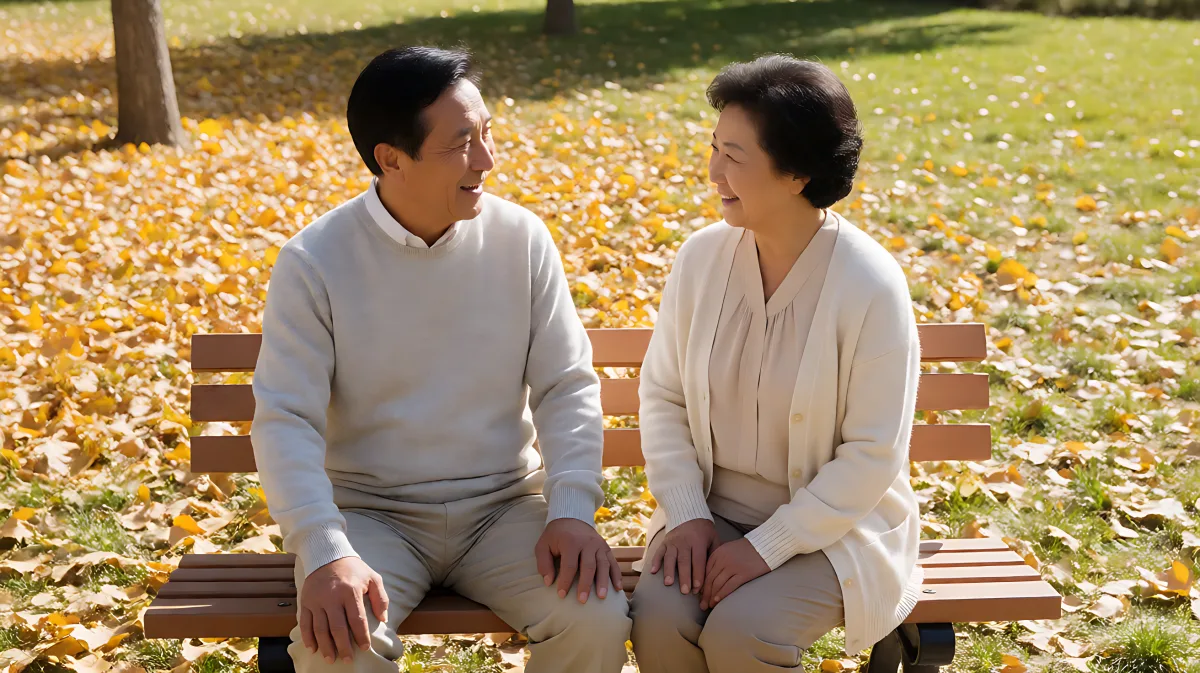
Loneliness is more than a feeling; it is a physical risk factor. Explore the emerging link between social isolation, cognitive decline, and muscle wasting, and find practical ways to protect your health through connection.
Social isolation does not just leave you feeling lonely; it physically weakens your body. Emerging research links prolonged isolation to increased risks of cognitive decline and accelerated muscle wasting, known as sarcopenia. By reducing physical activity and altering hormonal stress responses, isolation can erode your strength and independence. Prioritizing regular social interaction is now viewed by health experts as a critical component of maintaining muscle mass and brain health as you age.
How Does Isolation Affect Your Physical Strength?
Many people assume muscle loss is strictly a result of age or inactivity. However, the psychological state of chronic isolation plays a significant, often overlooked role in physical deterioration. When individuals are socially withdrawn, they frequently reduce their daily movement. Walking to meet friends, gardening with a partner, or playing with grandchildren are all forms of low-intensity activity that maintain muscle tone. When these social incentives disappear, daily step counts drop, and muscle atrophy sets in.
Furthermore, the body’s stress response is key. Loneliness triggers the release of cortisol, a hormone that, when elevated for long periods, breaks down muscle tissue. This creates a cycle where feeling isolated leads to physical weakness, which in turn can make it harder to leave the house and socialize. For older adults, this cycle is particularly dangerous because it can lead to frailty and a higher risk of falls, which are leading causes of injury in the over-65 population.
What Is the Link Between Loneliness and Brain Health?
The connection between social engagement and cognitive function is well-documented by organizations like the National Institute on Aging. They define brain health as how well a person functions in areas such as thinking, learning, and remembering. Social interaction acts as a mental workout. Conversations require multitasking: listening, processing language, reading emotional cues, and formulating responses. When this stimulus is removed, the brain begins to atrophy, much like a muscle that is not used.
Research published in Scientific Reports highlighted that adults whose social activities were disrupted experienced significant declines in memory and focus. This cognitive decline can affect your ability to remember workout routines or maintain motivation for exercise, further contributing to physical deconditioning. The American Heart Association advises that social connection is a vital marker for heart and brain health, suggesting that loneliness is as damaging to your body as smoking or a sedentary lifestyle.
Why Do Seniors Lose Muscle Mass Faster?
Age-related muscle loss, or sarcopenia, is a natural process, but it is exacerbated by isolation. According to the Centers for Disease Control and Prevention, many older adults suffer from a lack of social connections, which correlates with poor health outcomes. When seniors live alone, they may skip meals or eat less nutritious food because they are not motivated to prepare elaborate dishes. Poor nutrition directly impacts protein synthesis, which is essential for muscle repair.
In addition, social isolation often overlaps with depression and anxiety. These mental health conditions can suppress the desire to engage in resistance training or mobility exercises. Without the external accountability of a training partner or group class, it is easier to skip workouts. The result is a rapid loss of lean mass and bone density, which compromises mobility and independence. Data from the Fight Aging! newsletter and other gerontological sources emphasizes that maintaining grip strength and mobility are key indicators of healthy aging, and both are threatened by sedentary, isolated lifestyles.
What Can You Do to Protect Your Muscles?
Combating the physical effects of isolation requires a dual approach: physical activity and social connection. You do not need to join a large club to see benefits. Simple actions like weekly video calls with family, participating in community garden projects, or joining a walking group can make a difference. These activities provide both the cardiovascular benefits needed for muscle health and the mental stimulation that protects cognitive function.
Consider these practical steps:
- Schedule Social Exercise: Make physical activity a social event. Go to the park with a friend rather than alone. This ensures you go even when motivation is low.
- Volunteer Regularly: Volunteering provides structure and purpose. It keeps you active and connected to a community, reducing feelings of alienation.
- Use Technology for Connection: If mobility is limited, use video calls to stay close to loved ones. This mental engagement helps maintain cognitive sharpness.
- Prioritize Protein and Movement: Ensure you are eating enough protein to support muscle, and aim for gentle daily movement, such as stretching or short walks, to counteract the hormonal effects of stress.
Frequently Asked Questions
Can social isolation directly cause muscle wasting?
While isolation does not directly melt muscle tissue like a disease, it creates the conditions for it. It leads to reduced physical activity, poor nutrition due to lack of motivation, and chronic stress hormone release. Together, these factors accelerate sarcopenia and muscle loss, particularly in older adults.
How much social contact is needed to stay healthy?
There is no single magic number, but consistency is key. Regular, meaningful interactions—whether face-to-face or digital—help reduce cortisol levels and maintain cognitive function. Most health experts suggest having a diverse social network with at least one close friend or family member you interact with weekly.
Does loneliness affect the brain as much as the body?
Yes. The brain and body are connected. Studies show that chronic loneliness is associated with a higher risk of dementia and cognitive impairment. The mental stimulation provided by social interaction acts as a workout for the brain, helping to maintain memory and executive function just as physical exercise maintains muscle mass.