Social Isolation Interventions for Senior Men
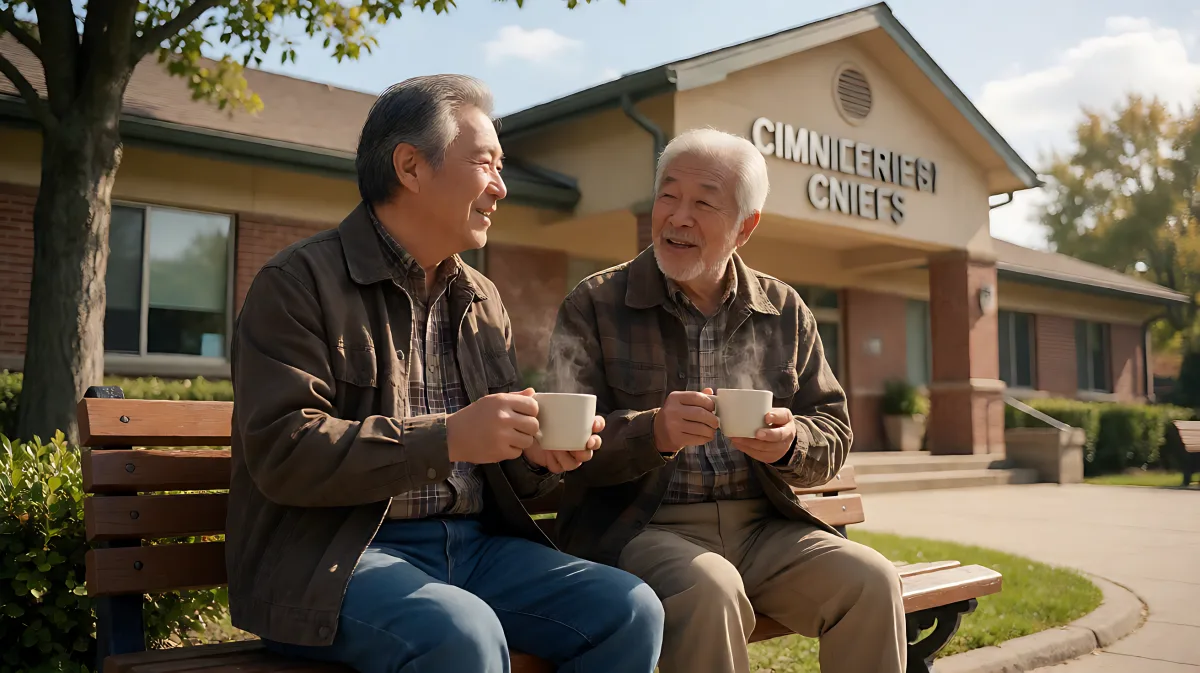
Social isolation among senior men remains a critical health risk. This article outlines actionable interventions available in 2026, ranging from GP-led social prescribing to community-driven programs, helping older adults rebuild their support networks and improve mental health.
Senior men face a distinct risk of social isolation, often due to cultural norms and life transitions. In 2026, targeted interventions such as GP-led social prescribing, befriending services, and community health programs offer effective ways to rebuild connections. These strategies directly address the mental and physical health gaps created by loneliness.
Why do senior men experience social isolation differently?
Many men are reluctant to reach out for social support, a tendency that can severely impact mental health and confidence. According to Age UK Islington, this reluctance can lead to a loss of joy and a diminished sense of connection. The organization notes that men often lack the informal support networks that women typically maintain through family and friendship circles. As a result, older men may find themselves without someone to help with everyday challenges or provide emotional support during illness.
Research published in the Social Science Research journal highlights that social connectedness is not just an individual attribute but a relational one. The study, analyzing data from the National Social Life, Health, and Aging Project, found that childhood experiences and spousal dynamics influence social ties in later life. For men, participation in organized community life often declines as they age, especially if they had unhappy family environments in childhood. This 'long arm of childhood' can reverberate through a couple’s shared routines, reducing public-facing participation in civic groups and organizations.
What role do GPs and social prescribers play in 2026?
Healthcare providers are increasingly recognizing non-medical social needs. Patrick McDaid, Primary Care Network Clinical Director of Islington Central 1, explains that GP practices now work closely with social prescribers to help patients find social connections. This model integrates social health into routine medical care, allowing doctors to refer patients to local support networks when loneliness is identified.
In the United States, organizations like the Mayo Clinic emphasize the link between social connection and overall health, encouraging patients to treat isolation as a medical concern. While specific 2026 program data is localized, the trend toward integrating social prescribing into primary care is consistent across US and UK health systems. This approach helps break the cycle where men ignore social needs until they affect their physical well-being.
How can community programs effectively engage older men?
Generic social activities do not always resonate with men. Programs like Arsenal in the Community in London focus on keeping men active for health, combining physical activity with social interaction. A recent Men's Health Event included a GP talk on prostate health, addressing both physical and social concerns simultaneously. This dual focus reduces the stigma associated with seeking help and makes engagement feel more natural for men who prioritize health maintenance.
In smaller communities, such as Byron, Minnesota, local governments are formalizing these efforts. The city’s calendar for October 2026 lists regular 'Senior Social Cafe' events and luncheons. These low-barrier, recurring gatherings provide a structured reason to interact, which is crucial for men who may struggle to initiate contact on their own. The predictable nature of these events helps rebuild routine and familiarity, key components of a stable social network.
What are the specific benefits of regular social engagement?
Building social connections creates a support network that acts as a buffer against health declines. For older adults, this means having someone to call in an emergency, a partner for walking, and a source of advice. The 'Get Togethers' program by Age UK Islington demonstrates how discovering local activities can renew a sense of purpose. Participants report that reconnecting with their community leads to improved confidence and a reduction in feelings of isolation.
What interventions exist for men who cannot leave home?
For senior men with poor health, disability, or reduced mobility, attending groups is often impossible. In these cases, befriending services are critical. Age UK Islington’s befriending service provides regular companionship and conversation for those who cannot get out. Although funding constraints limit the scale of such services, they remain a lifeline for the most isolated individuals. This personalized support acknowledges that not everyone is ready or able to join a local activity immediately.
Teams like Beatrice and Maria from the Age UK Islington team highlight the value of 'Navigation' support, which helps clients with varying levels of need. They work to identify the specific barriers—whether financial, physical, or psychological—that prevent participation. By tailoring the intervention, these professionals ensure that support is compassionate and effective, rather than one-size-fits-all.
How can families and spouses support a man’s social connection?
Since social ties are shared within partnerships, spouses have a significant impact on their partner’s network. The research from the National Social Life, Health, and Aging Project suggests that a spouse’s history and behavior shape the household’s social world. If a partner is less engaged in community life, the other may withdraw as well. Therefore, encouraging joint participation in hobbies or civic groups can benefit both individuals. Spouses can also facilitate introductions to new acquaintances, helping to bridge gaps in a man’s social circle.
It is important to recognize that social isolation is not just a personal failing but a systemic issue. Interventions work best when they are multi-layered, combining professional referrals, community opportunities, and personal support networks. By addressing the root causes of reluctance and providing accessible entry points into social life, we can mitigate the serious impact of loneliness on senior men’s health and longevity.
Frequently Asked Questions
What is social prescribing for lonely senior men?
Social prescribing is a process where healthcare professionals refer patients to non-medical services, such as volunteer groups, clubs, or befriending schemes, to improve their social wellbeing. In 2026, this is a standard part of many GP practices in the UK and US, helping to connect men with local resources that combat isolation.
Are befriending services available to men in the US?
Yes, many community organizations in the US offer befriending or friendly visiting programs, particularly in rural areas and senior centers. These services provide regular one-on-one visits to isolated individuals, addressing the specific needs of those who cannot travel to group activities.
How does childhood affect social isolation in older men?
Studies indicate that men who grew up in unhappy family environments are more likely to participate less in organized community activities in later life. This 'long arm of childhood' can reduce the size of their social network and limit their engagement with civic groups, making it harder to maintain connections as they age.
What are the signs that a senior man is struggling with loneliness?
Signs include withdrawal from social activities, loss of interest in hobbies, increased irritability, and neglect of personal hygiene or health appointments. It is also common for men to express this through physical complaints rather than emotional distress, making regular check-ins with friends or family essential for detection.