Smart Home Fall Detection: Reducing False Positive Alarm Fatigue
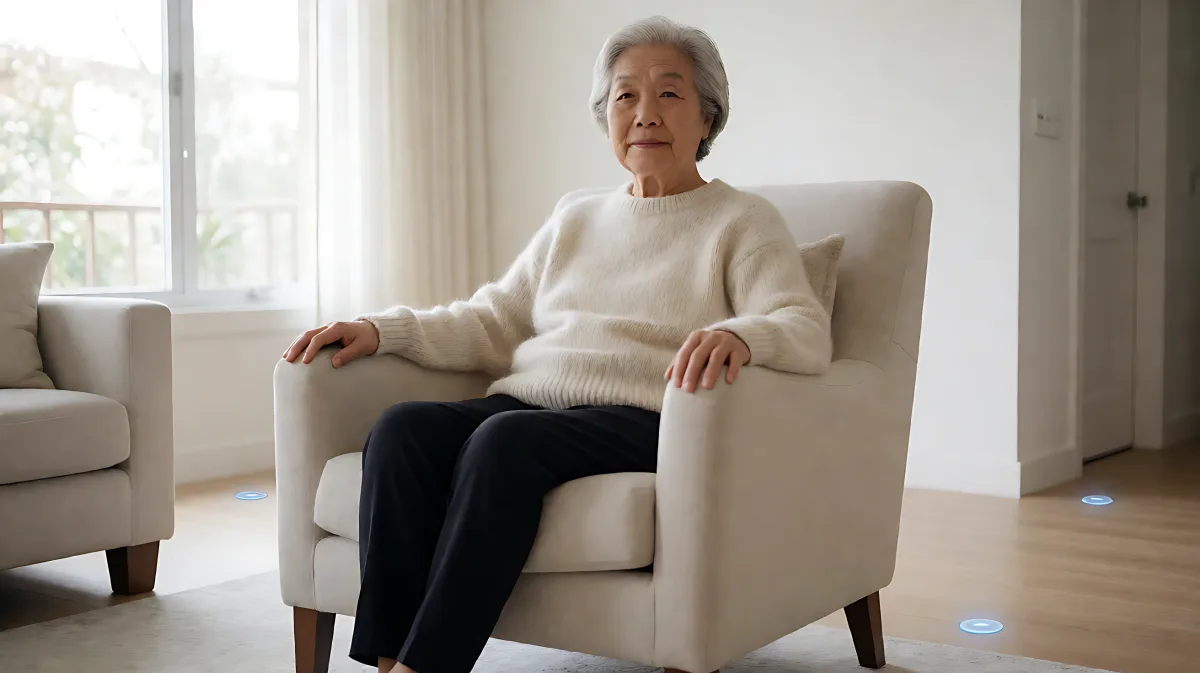
Constant false alarms from fall detection devices lead to caregiver burnout. Discover how modern AI and context-aware sensors are eliminating noise to protect seniors effectively.
Smart home fall detection systems are essential for senior safety, but they often suffer from "alarm fatigue" when false positives drown out real emergencies. Modern AI-driven devices now use context-aware algorithms to distinguish between accidental bumps and actual falls, significantly reducing noise. This ensures caregivers receive only critical alerts, improving response times and quality of life.
What is alarm fatigue in home care?
Alarm fatigue is a state of sensory overload where caregivers become desensitized to frequent notifications. When a smart home system sends too many false alerts for non-fall events, such as a person sitting down quickly or dropping a heavy object, users begin to ignore the pings. This is dangerous because it increases the likelihood that a genuine fall will go unnoticed. Research in clinical settings indicates that a vast majority of automated alarms are false positives, leading to mental exhaustion and delayed response to true emergencies.
Why do traditional sensors cause so much noise?
Legacy fall detection devices typically rely on simple accelerometers or gyroscopes with fixed threshold values. These sensors detect sudden changes in orientation but lack context. They cannot tell the difference between a hard impact from a fall and a heavy object hitting the floor. Because they do not learn the user's daily movement patterns, they trigger alerts for routine activities, such as tripping slightly or bending over sharply. This reliance on basic mechanical detection is the primary driver of the high false positive rates that plague older systems.
How does AI reduce false positives?
Newer fall detection platforms integrate artificial intelligence to analyze multiple data streams simultaneously. Instead of just looking at impact force, these systems evaluate movement trajectories, biometric data, and environmental context. For example, an AI algorithm can differentiate between a person intentionally sitting on a chair and an uncontrolled fall by analyzing the speed and angle of descent. These systems learn from each individual’s unique behavioral patterns over time, adapting to their specific mobility levels and daily routines. This adaptive learning capability drastically lowers the noise floor, ensuring that only high-probability fall events trigger an alert.
What role does passive monitoring play?
Passive monitoring is a key component of modern smart home ecosystems for seniors. It uses environmental sensors, such as motion detectors in specific zones, door sensors, and bed occupancy mats, to create a baseline of normal activity. By cross-referencing fall detection signals with this environmental data, the system can confirm if a signal corresponds to a location where a fall is plausible. For instance, a sudden impact signal in the middle of the kitchen floor at 3 a.m., combined with no subsequent movement, is flagged as critical. Conversely, a similar signal in a laundry area during daytime, followed by normal movement, is ignored. This multi-layered verification process eliminates most false alarms without requiring the user to wear a badge or watch.
Which devices are best for minimizing noise?
When selecting a smart home fall detection system in 2026, look for devices that offer "context-aware" processing. Leading platforms now combine wearable accelerometers with in-home sensor meshes. These hybrid systems use the wearable to detect the initial event and the home sensors to verify the context before sending a notification to caregivers. Some advanced models also include two-way communication features, allowing the system to check on the user via voice or video before escalating to emergency services. This verification step further reduces unnecessary alarms and gives peace of mind to family members monitoring from afar.
| Feature | Traditional Sensor | AI-Driven System |
|---|---|---|
| Detection Method | Fixed threshold accelerometer | Adaptive machine learning algorithms |
| Context Awareness | None (impact only) | Movement, time, location, and biometrics |
| False Positive Rate | High (frequent nuisance alerts) | Low (verified by environmental data) |
| Integration | Stand-alone or basic app | Smart home mesh with central dashboard |
How can families manage alert settings?
Even with advanced technology, some customization is required to fit the specific living environment. Caregivers should review the system’s sensitivity settings and define "silent zones" or "active zones." For example, if a senior spends most of their time in the living room and bedroom, alerts from the garage or storage rooms can be deprioritized or disabled if they are known sources of false triggers. Regularly reviewing the alert history in the device’s app helps identify patterns. If the system keeps flagging the hallway, for instance, it may indicate a lighting issue or a slippery floor that needs physical correction, rather than just software tuning.
Does wearing a device still help?
Wearables remain useful, but their role has shifted. In 2026, the best systems use wearables not just as standalone alerts, but as one input among many. A smartwatch or pendant can provide precise biometric data, such as heart rate, which helps determine if a person is in distress after a fall. However, relying solely on a wearable is risky because users can remove it or forget to charge it. Combining wearable data with fixed home sensors creates a redundant safety net that is far more robust than any single device.
What is the future of fall prevention technology?
The industry is moving from reactive detection to proactive prevention. Emerging systems use predictive analytics to identify risk factors before a fall occurs. For example, if a sensor notices that a user’s walking speed has decreased or that they are taking longer to get out of bed, the system can flag these changes to caregivers for early intervention. This shift means that smart home technology is no longer just about sounding an alarm after a crisis; it is about maintaining health and mobility. As these systems become more integrated with general health monitoring, the distinction between fall prevention and general wellness will continue to blur.
How to choose the right system
When evaluating options, prioritize systems that offer a central dashboard for all alerts. Look for clear indicators of confidence scores on each alert, so caregivers can gauge the likelihood of a real emergency. Ensure the system supports multiple users, as many households have more than one senior or a mix of mobility levels. Finally, check the connectivity method; Wi-Fi and Bluetooth 5.0 are standard in 2026, but 4G LTE backup is essential for remote areas with unreliable internet. A system that goes silent when the internet drops is a major safety risk.
Frequently Asked Questions
Can smart home sensors detect falls while someone is sleeping?
Yes, bed occupancy sensors and in-bed motion detectors are specifically designed to monitor sleep patterns. These sensors can distinguish between normal sleep movements and a fall or a person leaving the bed unexpectedly. They do not use cameras, preserving privacy while providing accurate monitoring of nighttime risks, which are when falls are most common.
How much do these advanced systems cost?
Pricing varies by complexity. Basic wireless sensor kits may start around £200 to $250, while comprehensive AI-integrated platforms that include wearables and subscription services can range from £500 to over $1,000. The cost often includes a monthly monitoring fee, which covers the processing power for the AI algorithms and the 24/7 support for alert verification.
Do I need to redesign my home to install these systems?
No, most modern fall detection systems are non-invasive and battery-powered. They use wireless connectivity to communicate with a central hub. You can typically install them in existing spaces by placing sensors on floors, doors, and beds. No wiring or structural changes are required, making them suitable for both permanent residents and temporary caregivers.
What happens if the system runs out of battery?
Reputable manufacturers design systems with low-battery warnings. The central hub will notify you via app when a sensor’s battery is below 10 percent. Some devices also have a physical indicator light. Because the processing is done locally or in the cloud, a dead sensor will stop sending data, but it will not trigger false alerts. It is crucial to maintain a rotation schedule for battery replacement to ensure continuous coverage.