Smart Home Data Risks: Elder Privacy and Breaches
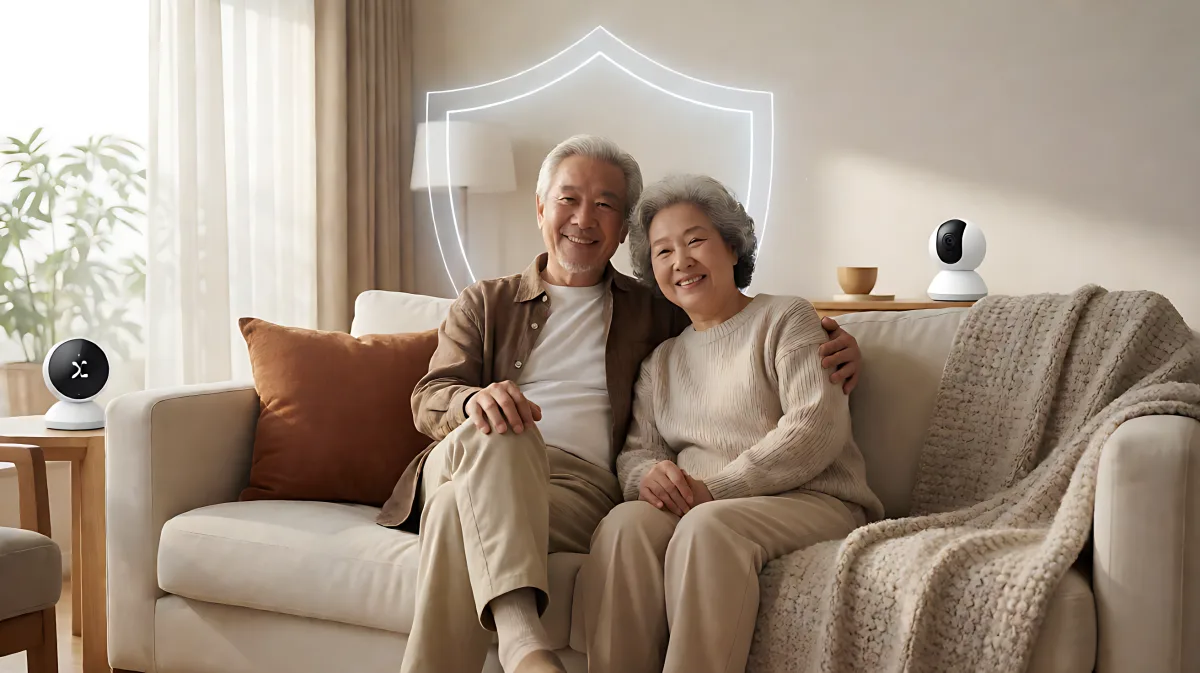
As smart home adoption surges, the gap between technology and senior security widens. This guide explains how data retention policies and AI enhancements pose new risks to elder privacy and offers actionable safeguards.
Smart home data retention for older adults poses significant privacy breach risks due to long-term cloud storage and opaque AI processing policies. As of 2026, the global smart homes market is valued at $164.13 billion, with North America holding the largest share. Vendors now rely on subscription models that retain user data, meaning your household's daily activity, health metrics, and location data are stored and processed continuously. For seniors, this creates a persistent attack surface where a single third-party breach can expose years of sensitive personal information.
Why Data Retention is a Critical Risk for Seniors
The core issue is not just that data is collected, but how long it is kept and who has access to it. Traditional security models assume that data is transient, but modern smart home ecosystems operate on a retention-by-design logic. Vendors store video footage, sensor logs, and interaction data to provide features like predictive maintenance and security alerts. For an elder, this repository of data is a honeypot for attackers. If a service provider suffers a breach, the exposed data includes not just contact information, but granular insights into the resident's daily routines, mobility, and health status. This level of detail allows for highly targeted social engineering attacks, such as convincing a senior that a technician is coming to service their HVAC system.
How do AI models change the privacy landscape?
The integration of advanced AI models in 2026 has altered the data processing chain. Leading AI providers are now implementing mandatory data retention periods for safety and security auditing. For instance, major AI firms have adopted 30-day retention windows for all traffic to allow for the detection of novel threats and abuse. While these measures are intended to secure the network, they mean that prompts, commands, and potentially voice data are stored on third-party servers. For elderly users who rely on voice assistants for medication reminders or health monitoring, this creates a direct link between their most private biometric and behavioral data and a centralized AI vendor that may be subject to different jurisdictional laws than the home itself.
The Hidden Danger of Third-Party Supply Chain Breaches
Privacy breaches in the smart home sector rarely happen at the device level; they happen in the supply chain. A recent incident involving a major hardware wallet provider in 2026 highlighted the dangers of legacy data retention. The company’s shipping partner failed to delete customer records as contractually required, exposing over 80,000 customers to risk. The records included full order histories, names, and addresses. For a smart home ecosystem, this is alarming. Many smart home devices are managed through centralized cloud servers that also handle customer support, shipping, and billing. If a logistics provider or customer service platform retains data beyond the period explicitly stated in the consumer-facing privacy policy, the owner is left unaware of the expanded attack surface.
What specific data is at risk in senior living?
- Health and Biometrics: Wearables and in-home sensors that track sleep, heart rate, and movement patterns. Financial Data: Linked payment methods for automatic utility adjustments and subscription services.
- Location and Routine: Data that maps exactly when a senior leaves the house, where they go, and when they return.
When this data is combined in a single vendor account, it creates a comprehensive profile that is invaluable to fraudsters. The risk is compounded because seniors are often less likely to monitor their financial accounts for micro-fraud or to notice when a smart device's permissions have been subtly expanded by a firmware update.
Strategies to Mitigate Privacy Breach Risks
Protecting a smart home in the 2026 landscape requires moving from passive trust to active verification. The first step is the aggressive application of "privacy by design" in device selection. Choose devices that support local processing whenever possible, particularly for security cameras and health sensors. If cloud storage is mandatory, look for vendors that offer "zero retention" or "zero knowledge" policies, though consumers should be aware that new AI integration mandates may override these for specific features. Regularly audit third-party data controllers. Review the privacy policies of not just the smart home brand, but the cloud host, the payment processor, and any AI service integrated into the device.
How can families secure the home network?
- Network Segmentation: Place all smart home devices on a separate Wi-Fi network (VLAN) isolated from the main family devices. This prevents a compromised thermostat from accessing a laptop.
- Strong Authentication: Use multi-factor authentication for every smart home account. Avoid using the same password for the router and the smart home hub.
- Update Cadence: Do not rely on automatic updates for critical security patches. Review update notes to ensure no new data retention permissions are being enabled.
What role does the "aging-in-place" trend play in security?
The "aging-in-place" trend is a major driver of the smart homes market, with Mordor Intelligence citing it as a key factor for growth in North America and Europe. This growth is largely due to the integration of home health monitoring. However, this integration brings health data into the consumer tech domain. Health data is protected by stricter regulations like HIPAA in the United States, but consumer smart devices are generally not held to the same standard as healthcare providers. This regulatory gap means that a breach of a smart medication dispenser is treated as a consumer privacy incident, not a protected health information leak, leaving the victim with fewer legal protections and fewer resources for compensation.
Understanding the 2026 Smart Home Security Landscape
The current security landscape is defined by interoperability standards like Matter, which allow devices from different brands to talk to each other. While this improves user experience, it also increases the complexity of the data flow. A single command to a smart speaker can trigger actions on a lock, a camera, and a lighting system, all of which may be storing data on different servers. The attack surface is no longer a single point of failure but a distributed network of potential leaks. Furthermore, the competitive strategy of vendors in 2026 relies heavily on subscription revenue from cloud storage and predictive analytics. This creates a financial incentive for companies to keep data as long as possible, as churn rates decrease the longer a user’s digital footprint is embedded in the service.
FAQ
Do smart home devices retain video footage locally or in the cloud?
Most modern security cameras use hybrid storage. They keep a rolling buffer locally on an SD card, but they upload highlights or full footage to the cloud for subscription features. Users must manually configure the local storage to ensure that old data is overwritten and not permanently retained on the physical device, which can be compromised if the camera is stolen.
Can I force my smart home vendor to delete my data?
Under most privacy laws, you have the right to request deletion. However, vendors may retain a subset of data for legal compliance or to maintain service functionality. You must explicitly revoke consent for specific data types, such as health tracking, and verify that the deletion request has been processed by checking your account dashboard for a status update.
How does AI integration affect the privacy of voice assistants?
AI integration means that voice prompts are processed by advanced large language models that may be hosted on servers with mandatory retention periods for safety auditing. This means that even if you believe your interaction is "private," a record of the request and the AI's response may be stored by the third-party model provider for up to 30 days or longer, regardless of the device manufacturer's policy.
What is the biggest risk for seniors with smart home devices?
The biggest risk is social engineering based on behavioral data. Attackers can use data from in-home sensors to determine exactly when a senior is alone, sleep, or visit specific rooms. This allows for the creation of highly convincing phishing attempts or physical security threats that target the individual's specific routine and vulnerabilities.